
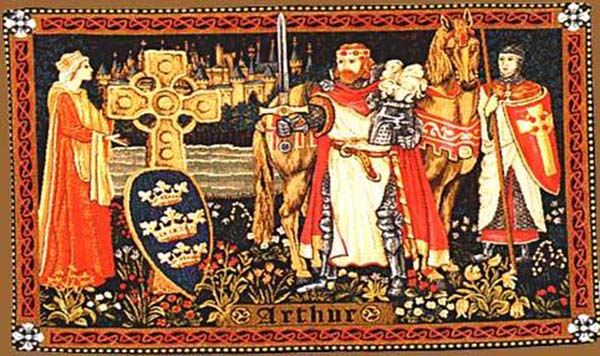
Glastonbury in Somerset has long been associated with the legendary Arthur and Guinevere, and it came to be identified as the Isle of Avalon (Ynys yr Afal in Welsh, ‘the Isle of the Apple’) to which Arthur was borne by three black-robed queens after his last battle with Mordred, according to the romantic literature ofContinue reading “The True Spirit of Glastonbury Revived”
Tag Archives: Cerdic
The Bloodied Sword, the Precious Pearl and the Black Cross; Chronicles of the Royal House of Wessex – I.

Episode One Above: Hungarians at Kyív – a painting by Pál Vágó (1853-1928). It is extremely difficult to maintain, based on archaeological relics that have been unearthed in territories now forming part of Ukraine, that these objects are unmistakably the relics of the ancient Hungarians, or Magyars. It is probable, though, that as a resultContinue reading “The Bloodied Sword, the Precious Pearl and the Black Cross; Chronicles of the Royal House of Wessex – I.”
The End of Saxon England? Revisiting the Norman Conquest: Chapter I – The Confessor, the Conqueror & the House of Wessex, 1035-1135
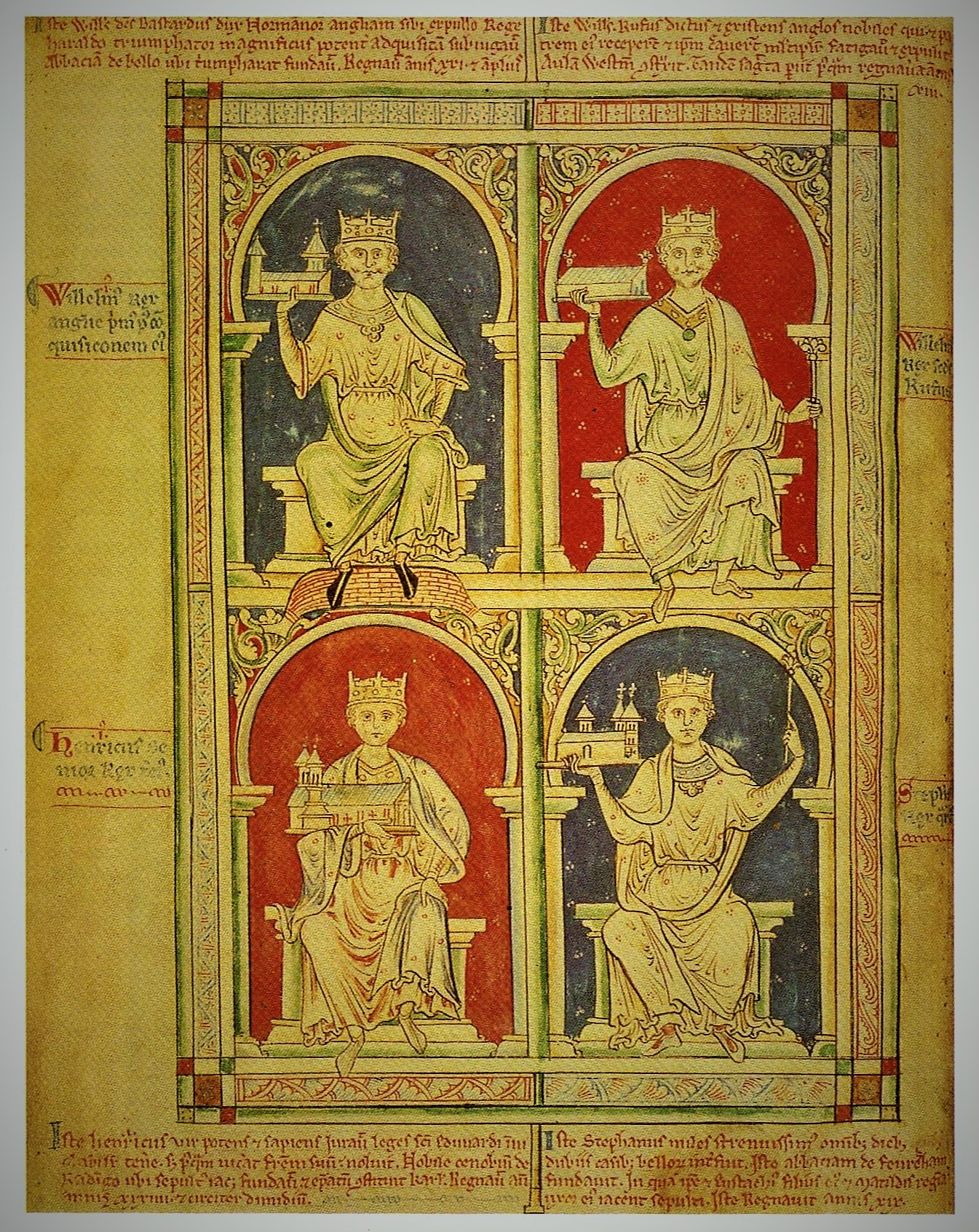
The Tragedy of Harold Godwinson: The story of the Norman ‘takeover’ of England has been told very often, most vividly in one of the earliest accounts in the form of Queen Matilda’s tapestry, still kept in Bayeux, which gives it the name it is better known by. French legend maintained the tapestry was commissioned andContinue reading “The End of Saxon England? Revisiting the Norman Conquest: Chapter I – The Confessor, the Conqueror & the House of Wessex, 1035-1135”
Battles of the Britons: Seawolves, Settlements & Saints, circa 415-615.

The Disintegration of Roman Britain: With the removal of Rome’s military support by around 411 the centralised adminisration of occupied Britain disintegrated, although the form and values of Roman life were not instantly overthrown. It was still hoped that Britain would become a Roman province again and an appeal for military aid was made toContinue reading “Battles of the Britons: Seawolves, Settlements & Saints, circa 415-615.”
 Andrew James