

Ireton’s ‘Remonstrance’ – St Albans & the London Levellers: When the Second Civil War ended, the frustrations and bitterness which had steadily been mounting against the king’s duplicity finally reached fever pitch. Many petitions were dispatched to London from various parts of the country demanding ‘impartial justice’ for all those involved in causing the recentContinue reading “Regicides, Rebels & Revolutionaries: November 1648 – October 1649; from Pride’s Purge to the Leveller Mutinies in England.”
Category Archives: West Country
Between Civil Wars: The Search for a Settlement, 1646-47 – Losing the Peace.

The Continuing Conflict across the British Isles: The king’s surrender at Newark in the early summer of 1646, while effectively ending the first civil war, did little to clarify matters in Wales or Ireland. Harlech did not surrender until March 1647 and the royalist governor of Dublin surrendered the city to parliament in July. TheContinue reading “Between Civil Wars: The Search for a Settlement, 1646-47 – Losing the Peace.”
375 Years Ago – The End of the First Civil War, October 1645 – March 1647: Sieges, Plagues & the Aftermath.

The War in the West of England – Winchester to Exeter: After bombarding and taking Winchester at the beginning of October 1645 Cromwell’s troops moved on to lay siege to Basing House, a royalist stronghold and garrison in the north of Hampshire, a centre of heroic resistance. It had already proved a major obstacle toContinue reading “375 Years Ago – The End of the First Civil War, October 1645 – March 1647: Sieges, Plagues & the Aftermath.”
Four Hundred Years Ago: The Birth of a ‘New England’ – Trans-Atlantic Separatists & the Language of Dissent.
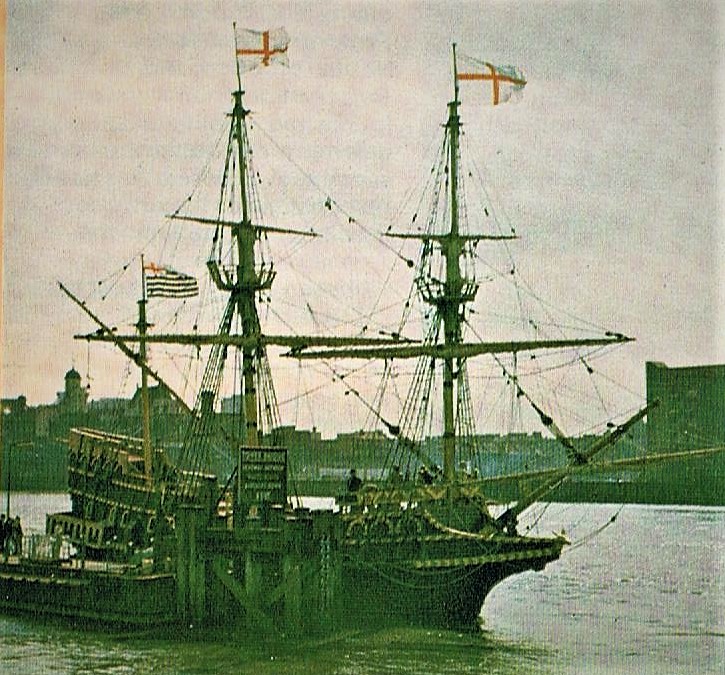
‘The Ship they called the Mayflower‘: The 16th September 2020 marks the four hundredth anniversary of the departure of the ship, Mayflower, from Plymouth Sound in Devon, England. The ‘Pilgrim Fathers’ were drawn from the Puritan separatists who had set up illegal churches in Lincolnshire and other parts of East Anglia. Threatened with fines and/orContinue reading “Four Hundred Years Ago: The Birth of a ‘New England’ – Trans-Atlantic Separatists & the Language of Dissent.”
Poverty, Progress & the Nonconformist Conscience in Britain, 1844-1914: London, Manchester & Birmingham.
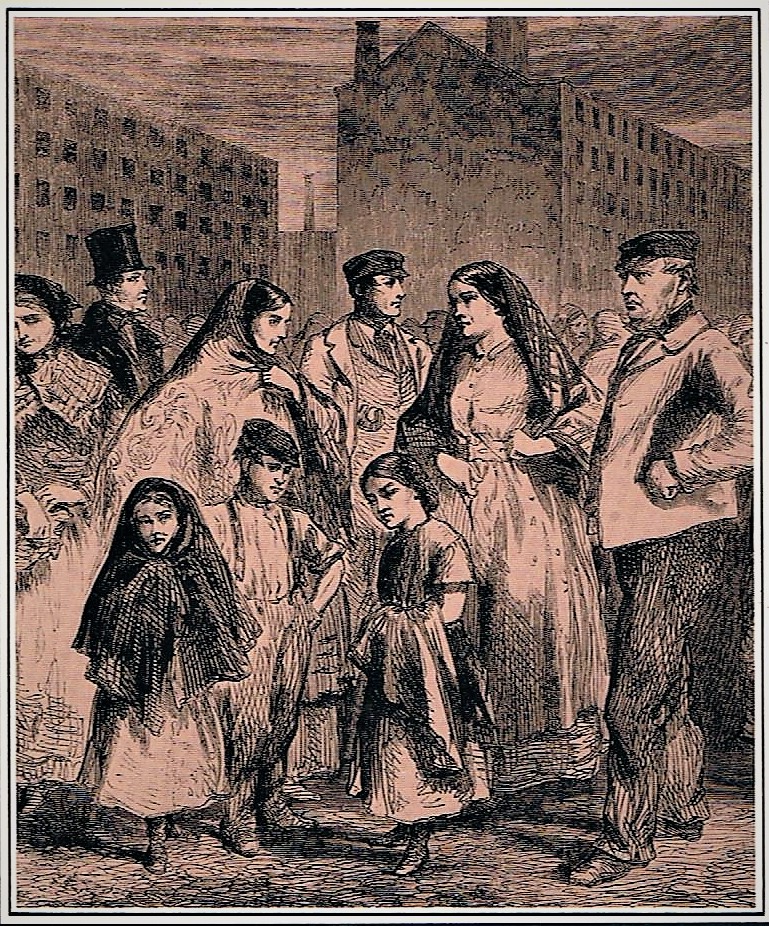
The ‘Manchester School’ and the Industrial City: By the 1840s, Manchester had become the symbol of a new form of social organisation, a ‘modern Athens’ to Benjamin Disraeli. But, in a sense, the City deserved the rough treatment it subsequently got from two notable foreign visitors, Alexis de Tocqueville and Friedrich Engels. In 1851, JohnContinue reading “Poverty, Progress & the Nonconformist Conscience in Britain, 1844-1914: London, Manchester & Birmingham.”
Imperial Islands, Caribbean Englishes & Atlantic Economies, circa 1630-1980

‘Little England’ & ‘Pidgin’ English: Some interpretations of Britain’s imperial past have charged the ‘White British’ with using the Caribbean islands in general and Barbados in particular as a ‘dumping ground’ for Black slaves. In fact, the first settlers there were White Catholics, according to the Jesuit priest who met them in 1634, both IrishContinue reading “Imperial Islands, Caribbean Englishes & Atlantic Economies, circa 1630-1980”
The Forging of a Trans-Atlantic Language: Cross-Cultural Currents, 1840-1940
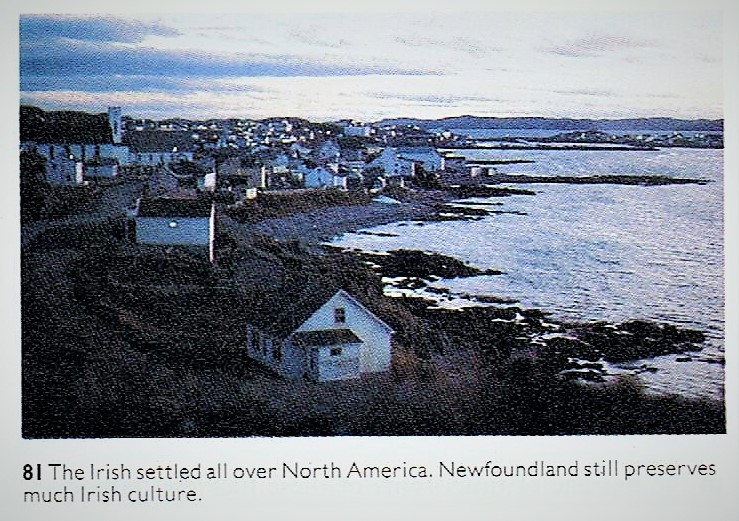
A National Language – From Webster to Whitman: The English Language has always been the most significant battlegrounds of Anglo-American rivalry, a fascinating window on the tensions of the “special relationship”. Divided by a common language, each generation has made the enjoyable discovery that the ‘standard’ English of Britain is different from from the EnglishContinue reading “The Forging of a Trans-Atlantic Language: Cross-Cultural Currents, 1840-1940”
375 Years Ago: The Civil War in the West, July-September 1645 – From the Battle of Langport to the Fall of Bristol.
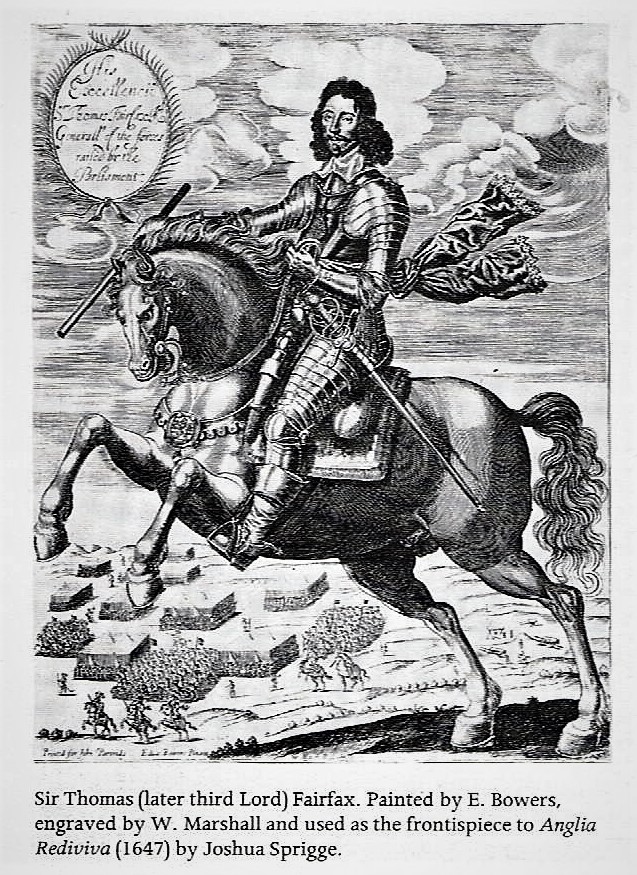
Lanes to Langport: While the King camped out at Raglan Castle at the beginning of July, to the north of the main ongoing conflict, Royalist troops under Lord Byron were attempting to hold their own at Chester, and in the south-west Lord Goring, continuing to command the King’s army there, was attempting to fight hisContinue reading “375 Years Ago: The Civil War in the West, July-September 1645 – From the Battle of Langport to the Fall of Bristol.”
 Andrew James