
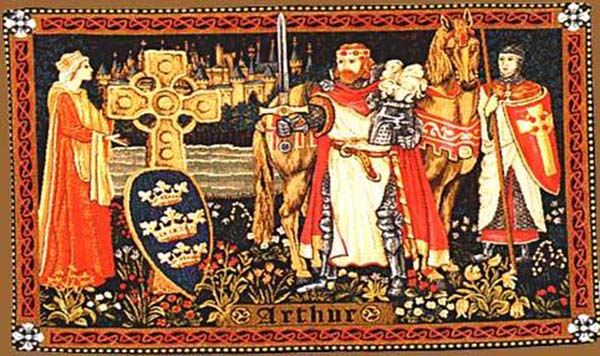
Glastonbury in Somerset has long been associated with the legendary Arthur and Guinevere, and it came to be identified as the Isle of Avalon (Ynys yr Afal in Welsh, ‘the Isle of the Apple’) to which Arthur was borne by three black-robed queens after his last battle with Mordred, according to the romantic literature ofContinue reading “The True Spirit of Glastonbury Revived”
Tag Archives: Winchester
Heritage not Hate – The True Spirit of Glastonbury
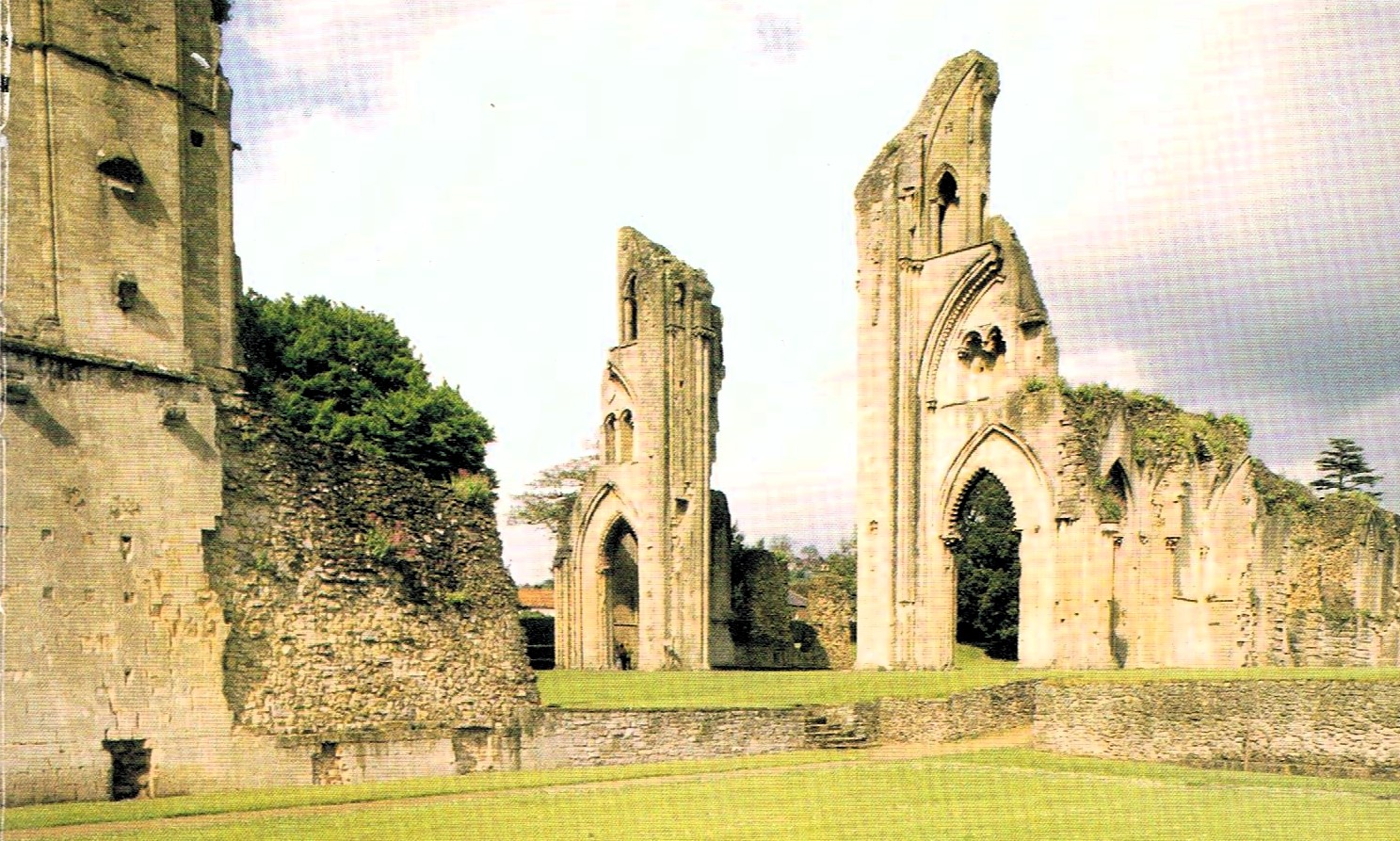
The sacred site and settlement. Long before its relatively recent appropriation as the site of a major music festival, Glastonbury in Somerset was intimately connected with the two linked legends of Joseph of Arimathea and King Arthur. Both were fully recorded in written form for the first time in the twelfth century, but they drewContinue reading “Heritage not Hate – The True Spirit of Glastonbury”
The Bloodied Sword, the Precious Pearl and the Black Cross; Chronicles of the Royal House of Wessex – V
Episode Five – The King’s Peace and Justice; 1153-93: When Henry Plantagenet returned to England again at the start of 1153, bringing only a small army of mercenaries financed with borrowed money, he relied on the forces of Hugh Bigod and Ranulf of Chester. The churchmen who met him on the Hampshire coast also emphasisedContinue reading “The Bloodied Sword, the Precious Pearl and the Black Cross; Chronicles of the Royal House of Wessex – V”
The Bloodied Sword, the Precious Pearl and the Black Cross; Chronicles of the Royal House of Wessex – III.
Episode Three – Rebels and Outlaws Scene Thirty; 1070-71 – The Legendary Outlaws of the Fens: Many of the stories of Hereward the Outlaw that follow these events were written down several generations after his own day, by which time they had already followed a legendary turn of phrase. But the twelfth-century Gesta Herewardi containsContinue reading “The Bloodied Sword, the Precious Pearl and the Black Cross; Chronicles of the Royal House of Wessex – III.”
The Bloodied Sword, the Precious Pearl and the Black Cross; Chronicles of the Royal House of Wessex – II.

Episode Two: Conquest, Flight and Resistance, 1066-70 Scene Twenty; 1066 – The Norman Invasion: After Hardrada’s defeat at Stamford Bridge, Harold was holding a celebratory feast at York, when news arrived of the Norman landing on the beach at Pevensey, 270 miles away. Harold’s army made the journey in under a fortnight, while Harold, onContinue reading “The Bloodied Sword, the Precious Pearl and the Black Cross; Chronicles of the Royal House of Wessex – II.”
The Bloodied Sword, the Precious Pearl and the Black Cross; Chronicles of the Royal House of Wessex – I.

Episode One Above: Hungarians at Kyív – a painting by Pál Vágó (1853-1928). It is extremely difficult to maintain, based on archaeological relics that have been unearthed in territories now forming part of Ukraine, that these objects are unmistakably the relics of the ancient Hungarians, or Magyars. It is probable, though, that as a resultContinue reading “The Bloodied Sword, the Precious Pearl and the Black Cross; Chronicles of the Royal House of Wessex – I.”
‘Cry God for Queen Bess, England and St Cuthbert….!’ How did George become England’s Patron Saint?

Follow your spirit; and upon this charge Cry God for Harry, England and St George! William Shakespeare, Henry V, Part One. England hasn’t really got a national anthem….The Irish, the Scots and the Welsh all have anthems, the Americans have the cheek to sing ‘My Country ’tis of thee’ to the tune of ‘God Save the Queen‘, but what do theContinue reading “‘Cry God for Queen Bess, England and St Cuthbert….!’ How did George become England’s Patron Saint? “
Scenes from Baptist History, 1814-1914: Missionaries, Mechanics & Manufacturers.

Includes a scene from Regent Street Baptist Church, Smethwick, Birmingham, from November 1897, ‘The Church in Meeting Assembled’ by Rev. A. J. Chandler, Minister of Bearwood Baptist Church, Birmingham, 1965-79. Revival, ‘Respectability’ & Reform in Britain, 1814-1859: In 1814, there was an evangelistic revival at Redruth in Cornwall which continued for nine days. An eye-witnessContinue reading “Scenes from Baptist History, 1814-1914: Missionaries, Mechanics & Manufacturers.”
The End of Saxon England? Revisiting the Norman Conquest, 1035-1135: Chapter II – Castles, Abbeys, Cathedrals & Churches.
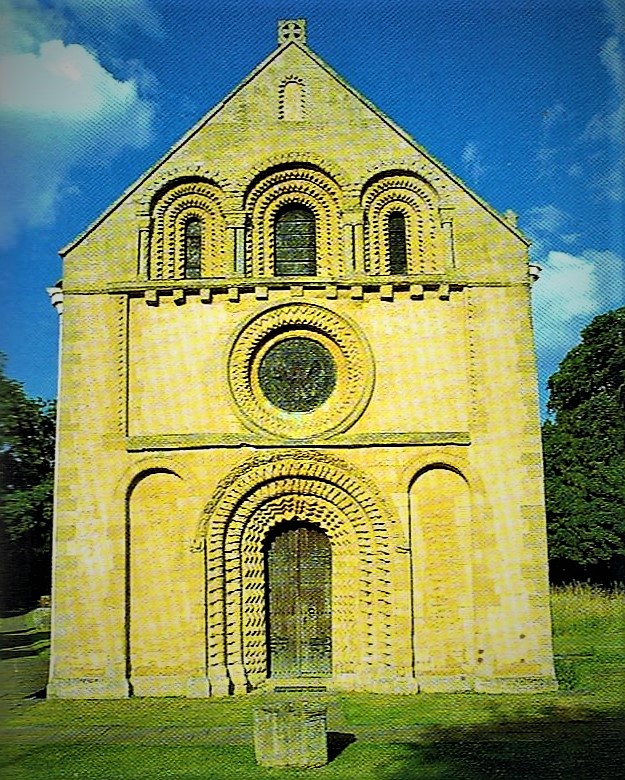
Knights, Barons & Castles: The knights who served William ‘the Conqueror’ were armed in many respects as their English opponents, wearing mail hauberks and conical helmets, and carrying kite-shaped shields, lances, swords and maces. If battlefield tactics were dominated by the mounted knight, the strategies of war were increasingly subject to the powerful influence ofContinue reading “The End of Saxon England? Revisiting the Norman Conquest, 1035-1135: Chapter II – Castles, Abbeys, Cathedrals & Churches.”
The Coming of the Northmen: from Coastal Raids to Inland Battles in Britain & Ireland, 789-871.

Pirates or Merchant Adventurers? Out of the North, they came, more warriors from the fringes of the Baltic. Norsemen, Vikings, Danes, many names, but one overriding characteristic – they came first to raid and plunder in tall-prowed sailing ships that had carried these sea-rovers to the Mediterranean and the coasts of a new world acrossContinue reading “The Coming of the Northmen: from Coastal Raids to Inland Battles in Britain & Ireland, 789-871.”
 Andrew James