

Episode Six: End of Dynasty – Exit the Cerdicingas, Enter the Angevins: Scene Sixty-four; October 1173 – The Battle of Fornham, Bury St Edmunds and the Revolt of 1173-74: By the early 1170s, the king had already decided that, after his death, his dominions should be partitioned between his three eldest sons. Young Henry wasContinue reading “The Bloodied Sword, the Precious Pearl and the Black Cross; Chronicles of the Royal House of Wessex – VI”
Tag Archives: Galloway
The Bloodied Sword, the Precious Pearl and the Black Cross; Chronicles of the Royal House of Wessex – IV.

Episode Four: Scotland & England, 1093-1153 Scene Thirty-Nine – Dunfermline and Edinburgh, 1093; The Deaths of Malcolm and Margaret: In 1092, the peace agreement between Rufus and Malcolm signed five years earlier, broke down due to the building of another new castle by the Normans at Carlisle, even though the Scots claimed and controlled mostContinue reading “The Bloodied Sword, the Precious Pearl and the Black Cross; Chronicles of the Royal House of Wessex – IV.”
Majesty & Grace I – The Lives & Times of the Windsors, 1901-1921: The Reigns of Edward VII & George V.

Picture: The Battle of Jutland in the North Sea in 1916. Neither side won the battle, but the German fleet was forced to shelter in harbour until 1918. George V’s second son, Albert George (Bertie), Duke of York from 1920, future George VI and the father of the late Queen Elizabeth II, was an officer on board HMS Collingwood.
Unifying the Kingdoms of Britain: The Kings of Wessex & The Birth of England, 871-1031.
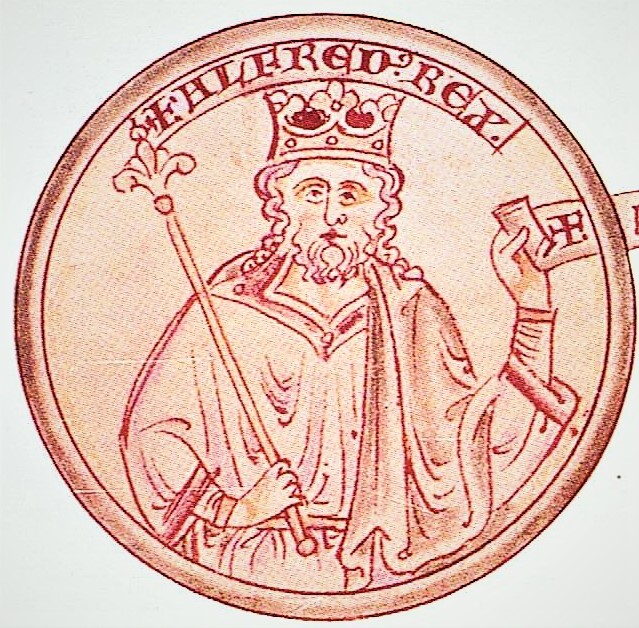
Chaos in Christendom: From the late ninth century until the mid-eleventh century in Europe, internal and external problems steadily weakened western Christendom. The Carolingian Empire had fragmented; no major military power existed in the West. The continued attacks of Muslims from the south, a new wave of attackers from central Asia, the Magyars (Hungarians) andContinue reading “Unifying the Kingdoms of Britain: The Kings of Wessex & The Birth of England, 871-1031.”
The Coming of the Northmen: from Coastal Raids to Inland Battles in Britain & Ireland, 789-871.

Pirates or Merchant Adventurers? Out of the North, they came, more warriors from the fringes of the Baltic. Norsemen, Vikings, Danes, many names, but one overriding characteristic – they came first to raid and plunder in tall-prowed sailing ships that had carried these sea-rovers to the Mediterranean and the coasts of a new world acrossContinue reading “The Coming of the Northmen: from Coastal Raids to Inland Battles in Britain & Ireland, 789-871.”
The False Dawn: Saxons, Celts and Britons, 616-839 – From Edwin of Northumbria to Egbert of Wessex.
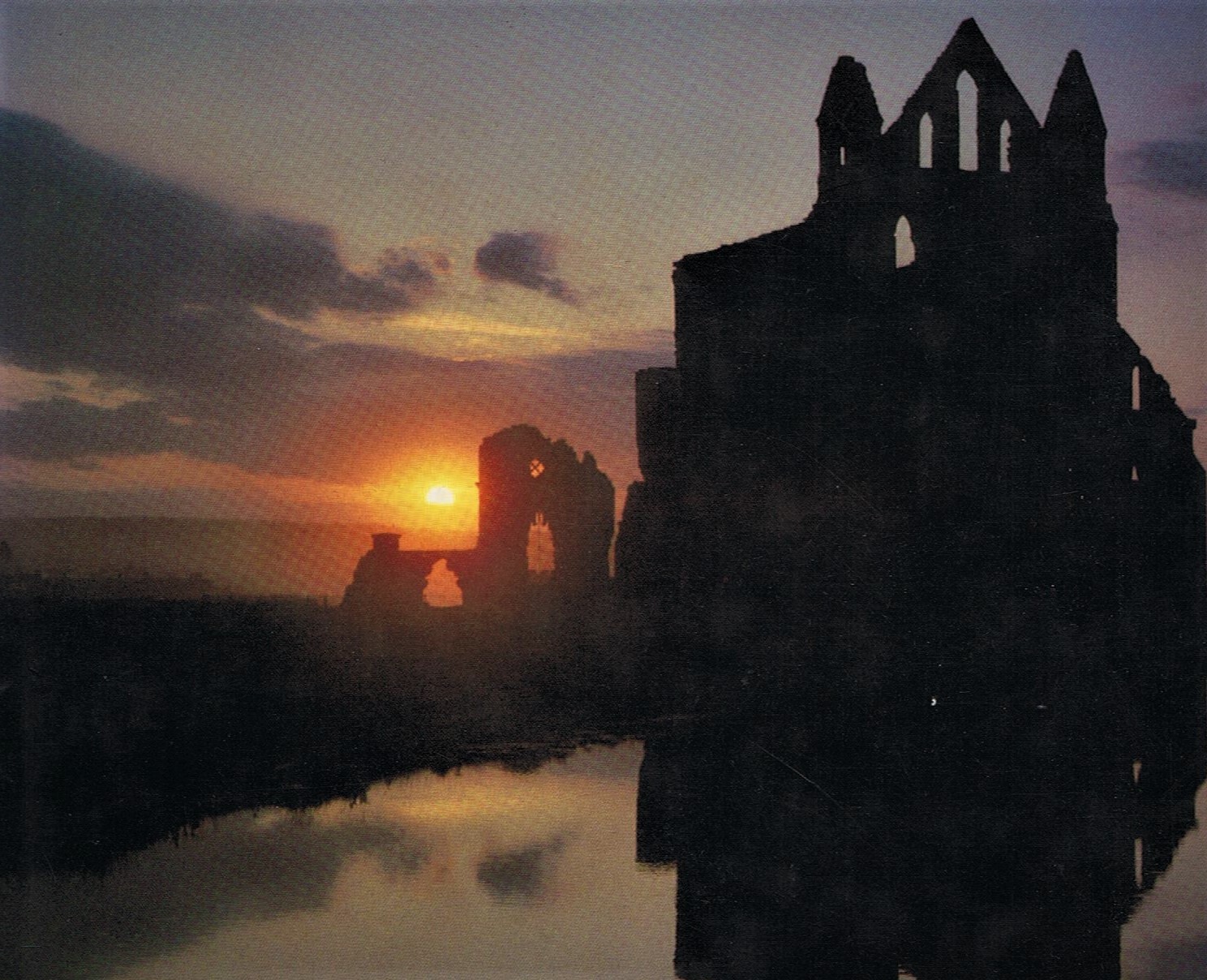
The (no-longer-so-dark) Dark Ages: Since the discovery of the Sutton Hoo burial in Suffolk in 1939, archaeology has continued to shed light on the ‘Dark Ages’, where documentary evidence is lacking. The distribution of pagan fifth-century Anglo-Saxon burials indicates the probable areas of earliest English settlement in Britain. The English ‘advance’ continued throughout the periodContinue reading “The False Dawn: Saxons, Celts and Britons, 616-839 – From Edwin of Northumbria to Egbert of Wessex.”
Battles of the Britons: Seawolves, Settlements & Saints, circa 415-615.
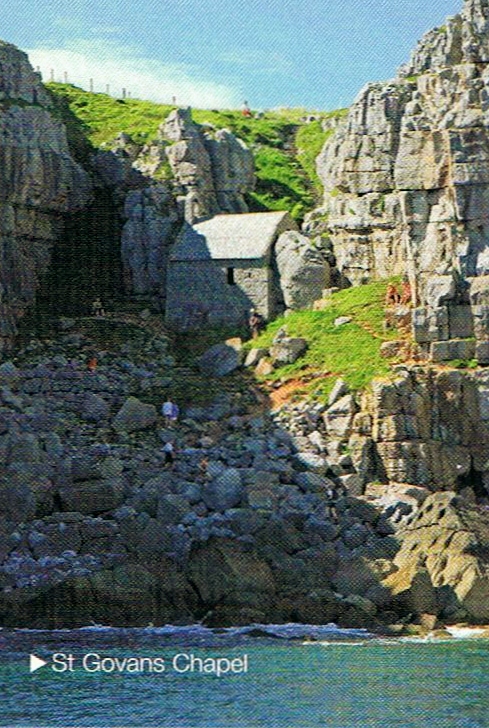
The Disintegration of Roman Britain: With the removal of Rome’s military support by around 411 the centralised adminisration of occupied Britain disintegrated, although the form and values of Roman life were not instantly overthrown. It was still hoped that Britain would become a Roman province again and an appeal for military aid was made toContinue reading “Battles of the Britons: Seawolves, Settlements & Saints, circa 415-615.”
 Andrew James