

Episode One Above: Hungarians at Kyív – a painting by Pál Vágó (1853-1928). It is extremely difficult to maintain, based on archaeological relics that have been unearthed in territories now forming part of Ukraine, that these objects are unmistakably the relics of the ancient Hungarians, or Magyars. It is probable, though, that as a resultContinue reading “The Bloodied Sword, the Precious Pearl and the Black Cross; Chronicles of the Royal House of Wessex – I.”
Tag Archives: Galicia
Is Hungary’s Appeasement of Putin Justified by its Past Experiences? IV
Chapter Four: What was/ is Appeasement? – Hungary in The Era of the Two World Wars. Preface: Present Day ‘appeasers’? On 8th July 2024, Hungary’s Prime Minister and current President of the European Council paid another visit, on his own initiative, to Vladimir Putin in Moscow. Later the same day, the Kremlin launched yet anotherContinue reading “Is Hungary’s Appeasement of Putin Justified by its Past Experiences? IV”
Is Hungary’s Appeasement of Putin Justified by its Past Experiences? III

Chapter Three – From Sarajevo to War & Revolutions, 1914-1919: Archduke Franz Ferdinand favoured a policy of reconciliation with the Slavs in the Austro-Hungarian Monarchy. Because of this attitude, he was disliked both by the traditional ruling élite in Vienna and the Magyar bourgeois statesmen of Hungary. The Slavs within the empire, seeking union withContinue reading “Is Hungary’s Appeasement of Putin Justified by its Past Experiences? III”
Is Hungary’s Appeasement of Putin Justified by its Past Experiences?
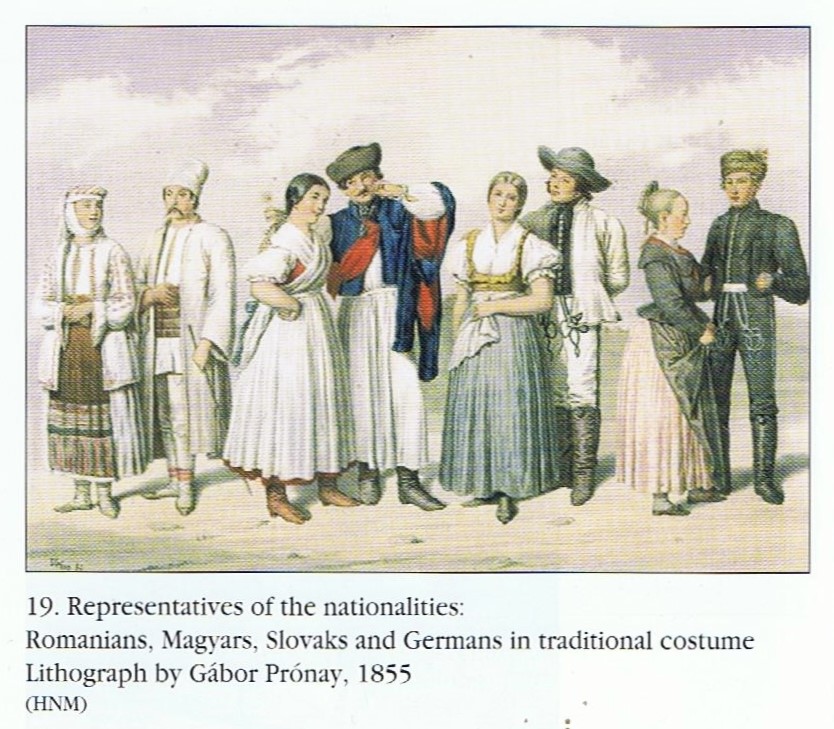
Introduction: The recent attempted assassination of the Slovak Prime Minister, Robert Fico, reminded many Hungarians, along with other Central Europeans, of the events leading to the outbreak of the First World War which ended with the break-up of the Austro-Hungarian Empire and Hungary’s loss of two-thirds of its 1914 territories (as part of the ‘DualContinue reading “Is Hungary’s Appeasement of Putin Justified by its Past Experiences?”
Ukraine from Askold to Zelensky: Language, Culture, Art & Architecture, 862-2022.

“The British have not forgotten how the Nazis wiped out Coventry, … bombed forty-one times. They have not forgotten the Luftwaffe’s so-called ‘Moonlight Sonata’, in which the city was under contant air-raids for eleven hours. They have not forgotten how Coventry’s historic centre, how its factories, how St Michael’s Cathedral were destroyed. When they see the missiles hit Kharkiv and damage its historic centre, its factories and the Assumption Cathedral, they remember. … when they recall how Birmingham was bombed, and they see its sister city Zaporizhia under attack, they remember.”
Who are the Ukrainians? Mythology & History, Part II: 1801-2001 – From Napoleon’s Empire to end of Empires?
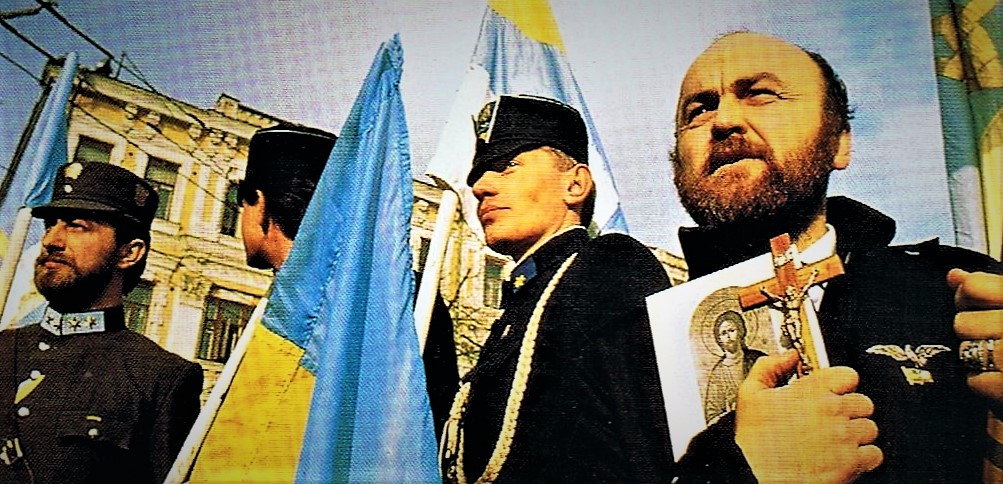
Putin’s Perverse & Very Unorthodox History: In a letter of 10th March, H.H. Patriarch Kirill ‘of Moscow and all Russia’ replied to a letter sent on 2nd March by World Council of Churches (WCC) acting general secretary Rev. Prof. Dr Ioan Sauca asking the Patriarch of the Russian Orthodox Church to mediate so that theContinue reading “Who are the Ukrainians? Mythology & History, Part II: 1801-2001 – From Napoleon’s Empire to end of Empires?”
Who are the Ukrainians? Mythology & History, Part I, 862-1796: Kyivan Rus & Cossacks; Great Powers & Empires.
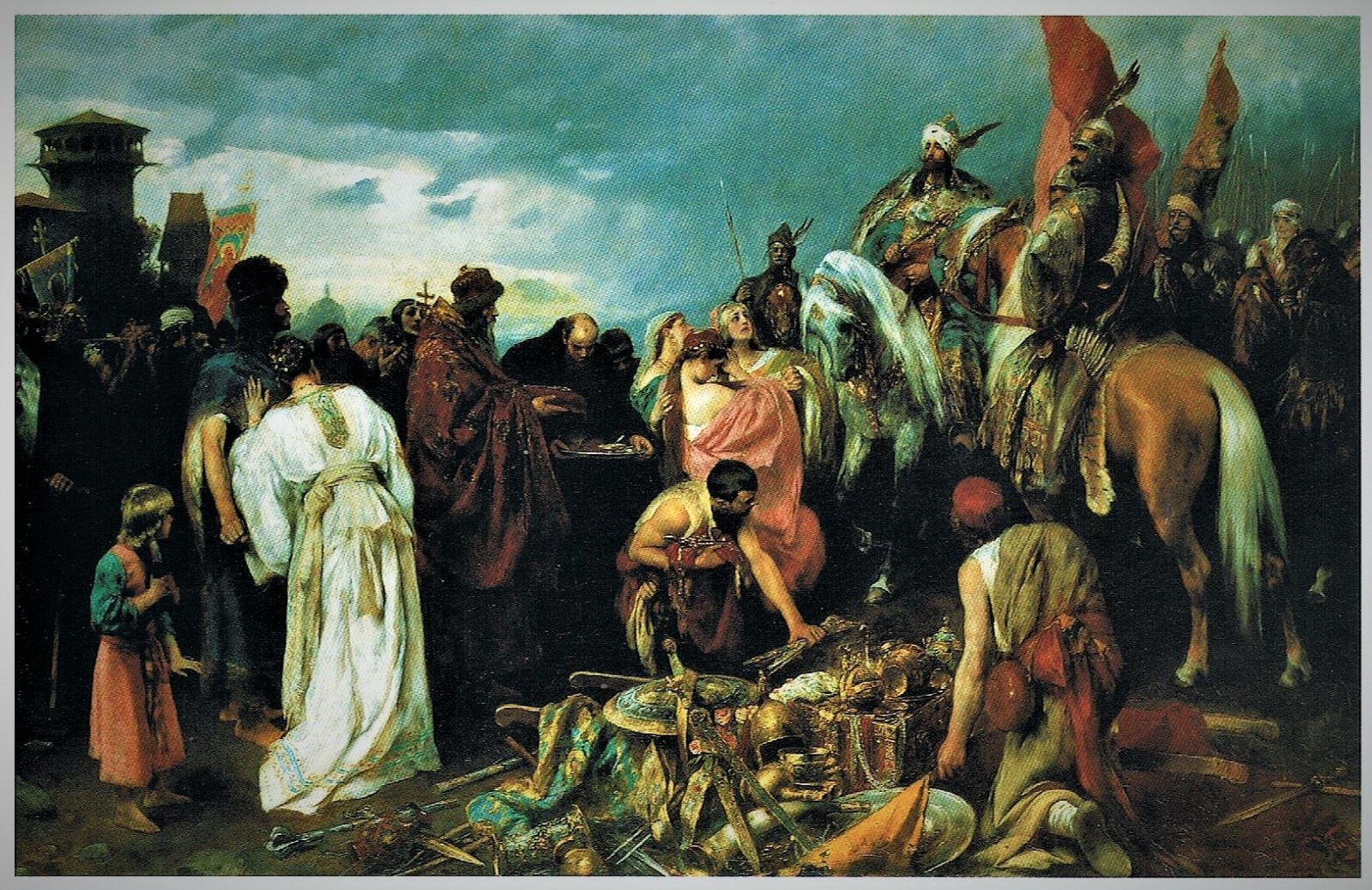
Fake History & The Russian World-View: “As you know, this conflict did not start today. It is my firm belief that its initiators are not the peoples of Russia and Ukraine, who came from one Kievan baptismal font, are united by common faith, common saints and prayers, and share common historical fate.“ In a 10Continue reading “Who are the Ukrainians? Mythology & History, Part I, 862-1796: Kyivan Rus & Cossacks; Great Powers & Empires.”
The Establishment of Constantinian ‘Christendom’ in Europe & Decline of the Roman Empire in Britain, c. AD 210-410:

The Growth of Christianity under Persecution, c. 180-260: The Roman Empire bequeathed by Marcus Aurelius in AD 180 was recognisably the same state as that created by Augustus in the previous century. After two more centuries, however, it had been transformed by the triumph of barbarism and Christianity. The key changes had been the extensionContinue reading “The Establishment of Constantinian ‘Christendom’ in Europe & Decline of the Roman Empire in Britain, c. AD 210-410:”
 Andrew James