
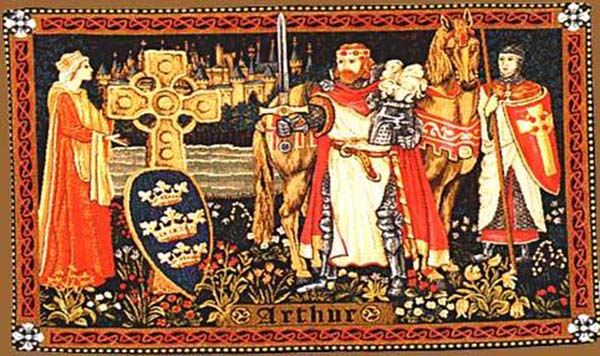
Glastonbury in Somerset has long been associated with the legendary Arthur and Guinevere, and it came to be identified as the Isle of Avalon (Ynys yr Afal in Welsh, ‘the Isle of the Apple’) to which Arthur was borne by three black-robed queens after his last battle with Mordred, according to the romantic literature ofContinue reading “The True Spirit of Glastonbury Revived”
Tag Archives: Edward I
The Bloodied Sword, the Precious Pearl and the Black Cross; Chronicles of the Royal House of Wessex – VI

Episode Six: End of Dynasty – Exit the Cerdicingas, Enter the Angevins: Scene Sixty-four; October 1173 – The Battle of Fornham, Bury St Edmunds and the Revolt of 1173-74: By the early 1170s, the king had already decided that, after his death, his dominions should be partitioned between his three eldest sons. Young Henry wasContinue reading “The Bloodied Sword, the Precious Pearl and the Black Cross; Chronicles of the Royal House of Wessex – VI”
The Bloodied Sword, the Precious Pearl and the Black Cross; Chronicles of the Royal House of Wessex – V
Episode Five – The King’s Peace and Justice; 1153-93: When Henry Plantagenet returned to England again at the start of 1153, bringing only a small army of mercenaries financed with borrowed money, he relied on the forces of Hugh Bigod and Ranulf of Chester. The churchmen who met him on the Hampshire coast also emphasisedContinue reading “The Bloodied Sword, the Precious Pearl and the Black Cross; Chronicles of the Royal House of Wessex – V”
More on Poetry & History: The Middle Marches of Wales, the Welsh Bards & the Love Poems of Dafydd ap Gwilym.
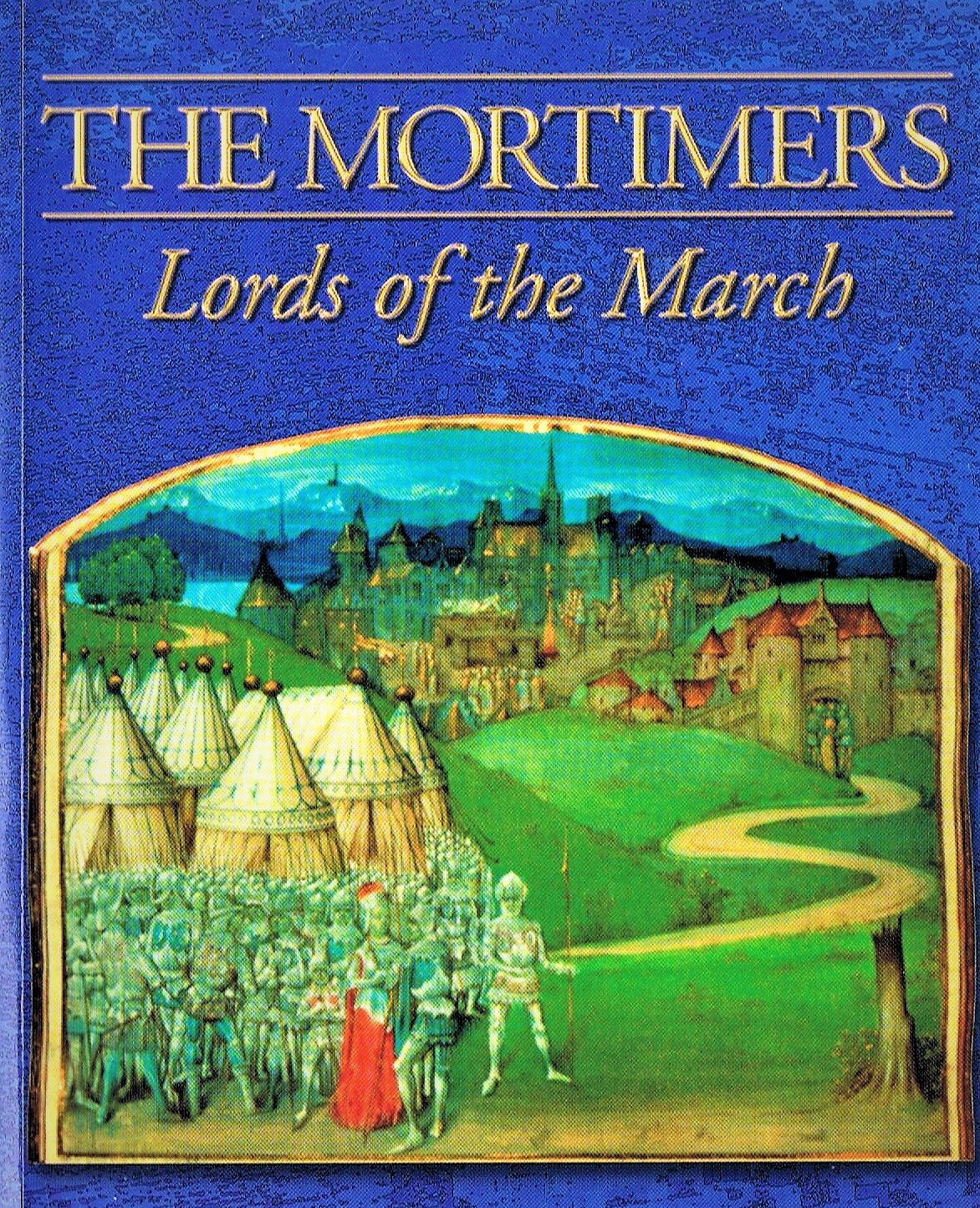
The Conquest of ‘the Middle March’ & The Mortimers, 1240-1330: Searching for the history behind the legend of the ‘Massacre of the Five Hundred Bards’ entails a more detailed understanding of the nature and events surrounding ‘royal Montgomery’ and what became known as ‘the Middle March’, including the lands held (often temporarily) by the MortimerContinue reading “More on Poetry & History: The Middle Marches of Wales, the Welsh Bards & the Love Poems of Dafydd ap Gwilym.”
Welsh Bards & Hungarian Balladeers: Imagining the Past – Poetry & History.

Wars of Independence: In 1857, the legendary martyrdom of the courtly poets of Wales by Edward I was used by the nineteenth-century Hungarian poet János Arany to serve as a parable of resistance to another Empire after the ‘heroic’ uprising and war of independence of 1848-49 in his native country. Arany’s poem, Walesi bardok (The Bards ofContinue reading “Welsh Bards & Hungarian Balladeers: Imagining the Past – Poetry & History.”
Between Civil Wars: The Search for a Settlement, 1646-47 – Losing the Peace.

The Continuing Conflict across the British Isles: The king’s surrender at Newark in the early summer of 1646, while effectively ending the first civil war, did little to clarify matters in Wales or Ireland. Harlech did not surrender until March 1647 and the royalist governor of Dublin surrendered the city to parliament in July. TheContinue reading “Between Civil Wars: The Search for a Settlement, 1646-47 – Losing the Peace.”
 Andrew James