

Episode Four: Scotland & England, 1093-1153 Scene Thirty-Nine – Dunfermline and Edinburgh, 1093; The Deaths of Malcolm and Margaret: In 1092, the peace agreement between Rufus and Malcolm signed five years earlier, broke down due to the building of another new castle by the Normans at Carlisle, even though the Scots claimed and controlled mostContinue reading “The Bloodied Sword, the Precious Pearl and the Black Cross; Chronicles of the Royal House of Wessex – IV.”
Tag Archives: Danube
The Bloodied Sword, the Precious Pearl and the Black Cross; Chronicles of the Royal House of Wessex – I.

Episode One Above: Hungarians at Kyív – a painting by Pál Vágó (1853-1928). It is extremely difficult to maintain, based on archaeological relics that have been unearthed in territories now forming part of Ukraine, that these objects are unmistakably the relics of the ancient Hungarians, or Magyars. It is probable, though, that as a resultContinue reading “The Bloodied Sword, the Precious Pearl and the Black Cross; Chronicles of the Royal House of Wessex – I.”
Is Hungary’s Appeasement of Putin Justified by its Past Experiences?
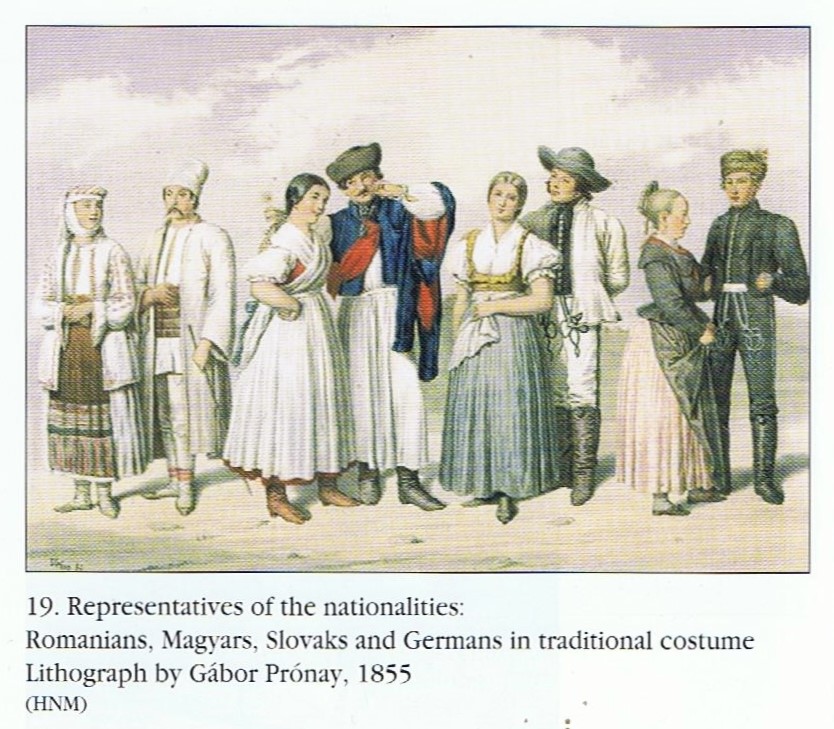
Introduction: The recent attempted assassination of the Slovak Prime Minister, Robert Fico, reminded many Hungarians, along with other Central Europeans, of the events leading to the outbreak of the First World War which ended with the break-up of the Austro-Hungarian Empire and Hungary’s loss of two-thirds of its 1914 territories (as part of the ‘DualContinue reading “Is Hungary’s Appeasement of Putin Justified by its Past Experiences?”
The Raven & the White Rose – The Plantagenet Pretender in Buda: Richard de la Pole.
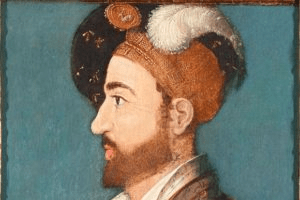
The Growth of the Great Central European Empire: Sigismund of Bohemia, pictured above, became Holy Roman Emperor in 1433, an event which marked the establishment of the great Central European Empire under Habsburg rule, through his daughter’s marriage, until 1918. As Emperor, he acted as an intermediary between Henry V of England and the KingContinue reading “The Raven & the White Rose – The Plantagenet Pretender in Buda: Richard de la Pole.”
Ukraine from Askold to Zelensky: Language, Culture, Art & Architecture, 862-2022.

“The British have not forgotten how the Nazis wiped out Coventry, … bombed forty-one times. They have not forgotten the Luftwaffe’s so-called ‘Moonlight Sonata’, in which the city was under contant air-raids for eleven hours. They have not forgotten how Coventry’s historic centre, how its factories, how St Michael’s Cathedral were destroyed. When they see the missiles hit Kharkiv and damage its historic centre, its factories and the Assumption Cathedral, they remember. … when they recall how Birmingham was bombed, and they see its sister city Zaporizhia under attack, they remember.”
Who are the Ukrainians? Mythology & History, Part I, 862-1796: Kyivan Rus & Cossacks; Great Powers & Empires.
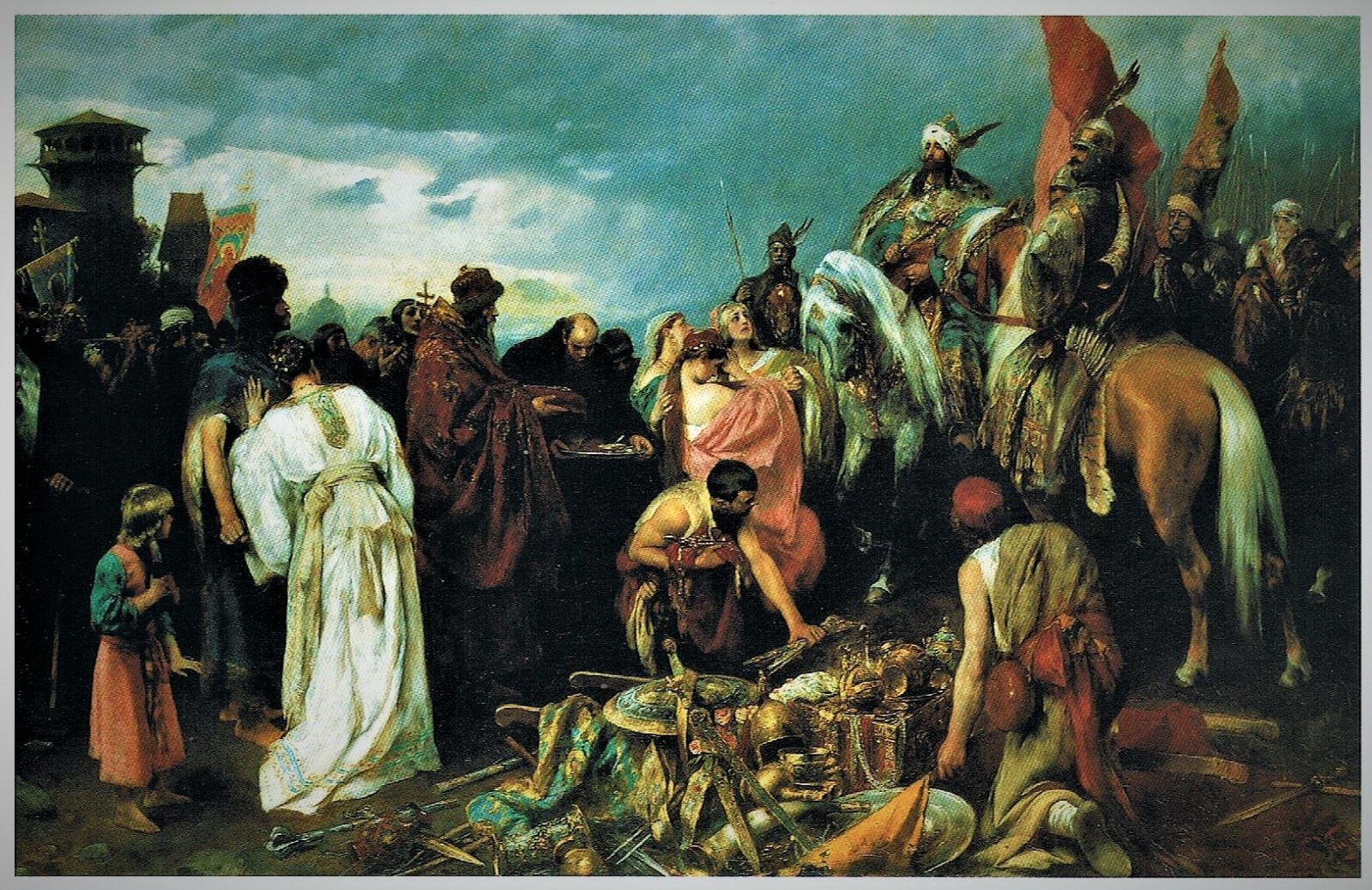
Fake History & The Russian World-View: “As you know, this conflict did not start today. It is my firm belief that its initiators are not the peoples of Russia and Ukraine, who came from one Kievan baptismal font, are united by common faith, common saints and prayers, and share common historical fate.“ In a 10Continue reading “Who are the Ukrainians? Mythology & History, Part I, 862-1796: Kyivan Rus & Cossacks; Great Powers & Empires.”
The Mysterious Magyar Origins of Margaret of Wessex, Hungary and Scotland
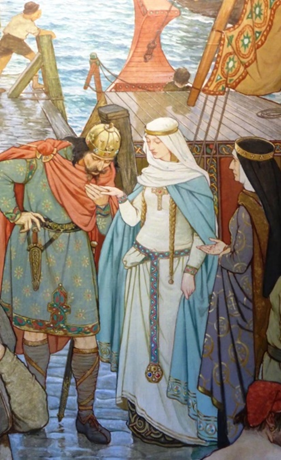
As all Scots know, 30th November is St Andrew’s Day, their ‘patron saint’. However, few people in Scotland, England and Hungary will know that the 17th November is the day when the Church commemorates the saint who links all three countries. Margaret was born in Hungary, the daughter of the exiled rightful heir to theContinue reading “The Mysterious Magyar Origins of Margaret of Wessex, Hungary and Scotland”
The Establishment of Constantinian ‘Christendom’ in Europe & Decline of the Roman Empire in Britain, c. AD 210-410:

The Growth of Christianity under Persecution, c. 180-260: The Roman Empire bequeathed by Marcus Aurelius in AD 180 was recognisably the same state as that created by Augustus in the previous century. After two more centuries, however, it had been transformed by the triumph of barbarism and Christianity. The key changes had been the extensionContinue reading “The Establishment of Constantinian ‘Christendom’ in Europe & Decline of the Roman Empire in Britain, c. AD 210-410:”
Good King Lucius & The Establishment of Christianity in Britain: War, Economy & Religion, c. AD 60 – c. AD 210
The Christian Faith, Native Religious Traditions & Society: In the first and second centuries AD, the Christian faith spread very widely among the the poor and the slaves, to whom Christ’s teaching offered new hope and comfort. Excellent new communications by land and sea, and the movement of Roman troops, assisted the spread of theContinue reading “Good King Lucius & The Establishment of Christianity in Britain: War, Economy & Religion, c. AD 60 – c. AD 210”
Paul’s Mission to ‘The Farthest Limits of the West’ – Did the Apostle Visit Britain? The Roman Conquest & Religion, AD 43-63

‘And did those feet …?’ – Glastonbury Myths: When I moved out of my grandparents’ house (which I bought from my mother) in Coventry in 1991, I discovered a copy of George F. Jowett’s popular book on her old rotating bookshelf, where it had sat for thirty years. The Arthurian legends had always fascinated me,Continue reading “Paul’s Mission to ‘The Farthest Limits of the West’ – Did the Apostle Visit Britain? The Roman Conquest & Religion, AD 43-63”
 Andrew James