
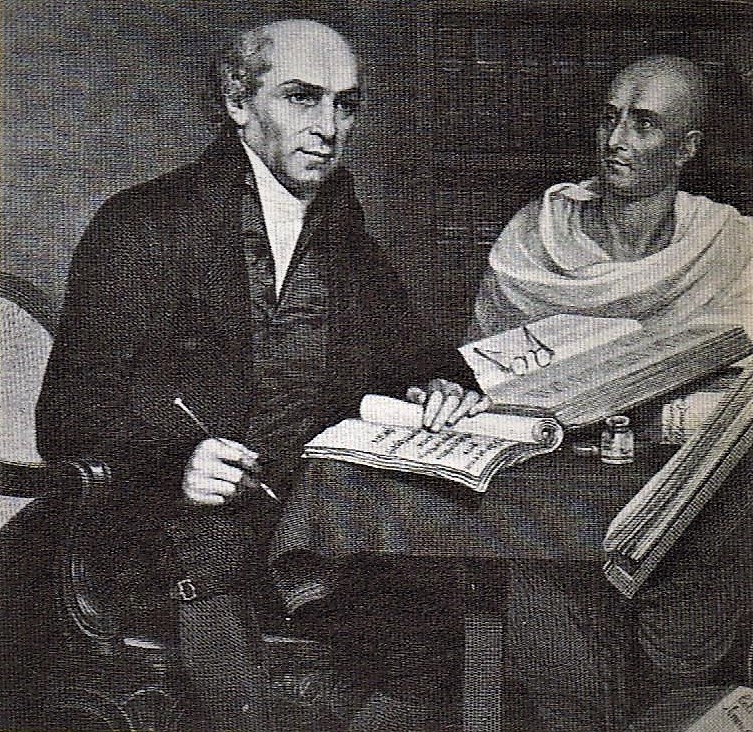
Persecution of All ‘Nonconformists’, 1662-87: It was not until 1687 that the dissenting or ‘nonconformist’ churches felt able to look back upon ye Times of our late Troubles since the Act of Uniformity in 1662 had taken away the relative toleration they had experienced in the Interregnum. The Presbyterian minister Richard Baxter (1615-91) had takenContinue reading “Scenes from Baptist History: Persecution of the Puritans, Evangelical Revival & William Carey, 1662-1812.”
Tag Archives: Charles Dickens
Welsh Bards & Hungarian Balladeers: Imagining the Past – Poetry & History.

Wars of Independence: In 1857, the legendary martyrdom of the courtly poets of Wales by Edward I was used by the nineteenth-century Hungarian poet János Arany to serve as a parable of resistance to another Empire after the ‘heroic’ uprising and war of independence of 1848-49 in his native country. Arany’s poem, Walesi bardok (The Bards ofContinue reading “Welsh Bards & Hungarian Balladeers: Imagining the Past – Poetry & History.”
Poverty, Progress & the Nonconformist Conscience in Britain, 1844-1914: London, Manchester & Birmingham.
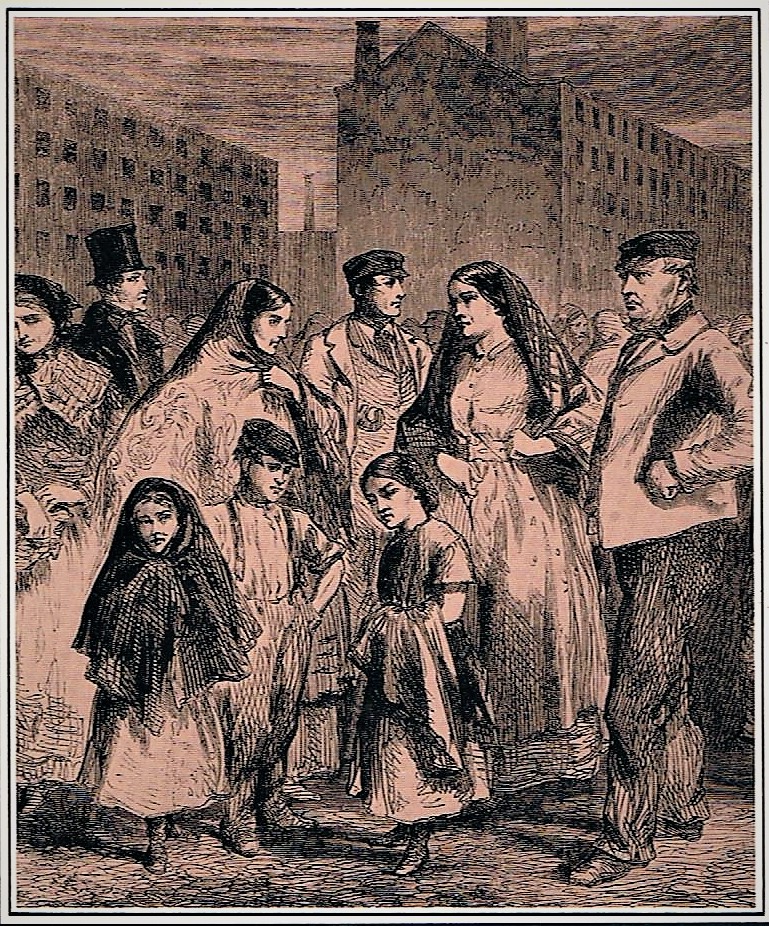
The ‘Manchester School’ and the Industrial City: By the 1840s, Manchester had become the symbol of a new form of social organisation, a ‘modern Athens’ to Benjamin Disraeli. But, in a sense, the City deserved the rough treatment it subsequently got from two notable foreign visitors, Alexis de Tocqueville and Friedrich Engels. In 1851, JohnContinue reading “Poverty, Progress & the Nonconformist Conscience in Britain, 1844-1914: London, Manchester & Birmingham.”
The Forging of a Trans-Atlantic Language: Cross-Cultural Currents, 1840-1940
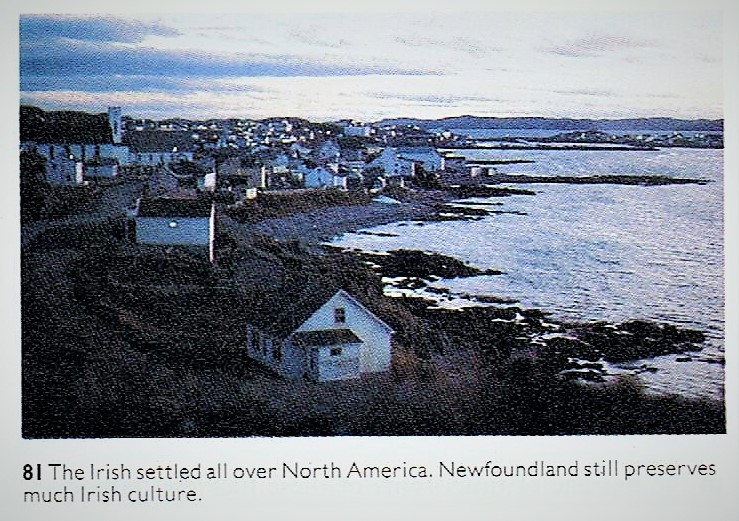
A National Language – From Webster to Whitman: The English Language has always been the most significant battlegrounds of Anglo-American rivalry, a fascinating window on the tensions of the “special relationship”. Divided by a common language, each generation has made the enjoyable discovery that the ‘standard’ English of Britain is different from from the EnglishContinue reading “The Forging of a Trans-Atlantic Language: Cross-Cultural Currents, 1840-1940”
Off to Philadelphia and back again – The Transatlantic Economy & Patterns of Migration – Britain, Europe & North America, 1865-1940

Emigration & Internal Migration – Key Facts: In 1870, seventy-two per cent of all British and Irish emigrants continued to see the United States as their preferred destination. After the Civil War, the American railroad companies began their huge task of driving a steel highway to the west. Where this permanent way pointed, the settlersContinue reading “Off to Philadelphia and back again – The Transatlantic Economy & Patterns of Migration – Britain, Europe & North America, 1865-1940”
Poverty, Emigration & Empire, 1821-71: Atlantic Crossings & North American Settlement.
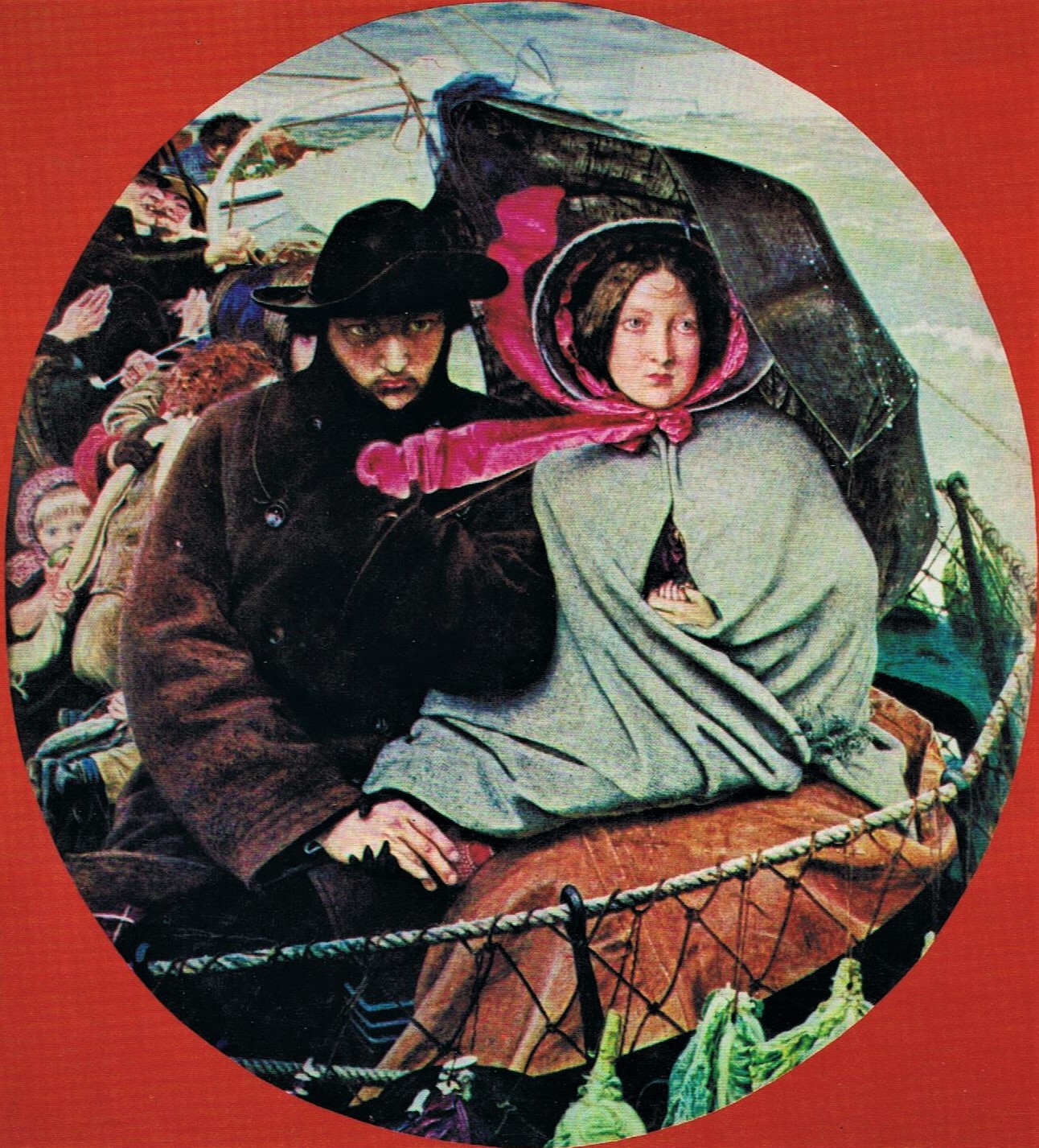
The Pursuit of Poverty – Labouring Poor of the British Isles: In 1828, a man of Minster in Kent, told a House of Commons committee formed to investigate the continuing conditions of poverty and destitution that: The convicts on board the hulks are a great deal better off than our labouring poor, let the convictContinue reading “Poverty, Emigration & Empire, 1821-71: Atlantic Crossings & North American Settlement.”
Empire, Slavery & Reform; 1783-1858: Black Lives & ‘White’ Colonies.

Britain in the World of 1783 – The Economic Advantages of Empire: In the course of the eighteenth century, Britain became the most prosperous trading nation in the world. Her most serious commercial rival was France. At the beginning of the century both countries held possessions in North America, the West Indies and controlled tradingContinue reading “Empire, Slavery & Reform; 1783-1858: Black Lives & ‘White’ Colonies.”
 Andrew James