
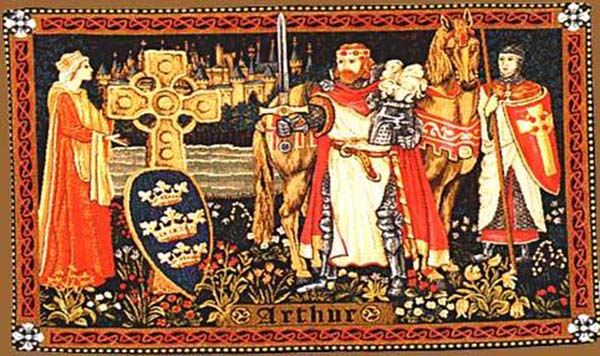
Glastonbury in Somerset has long been associated with the legendary Arthur and Guinevere, and it came to be identified as the Isle of Avalon (Ynys yr Afal in Welsh, ‘the Isle of the Apple’) to which Arthur was borne by three black-robed queens after his last battle with Mordred, according to the romantic literature ofContinue reading “The True Spirit of Glastonbury Revived”
Category Archives: Winchester
Heritage not Hate – The True Spirit of Glastonbury
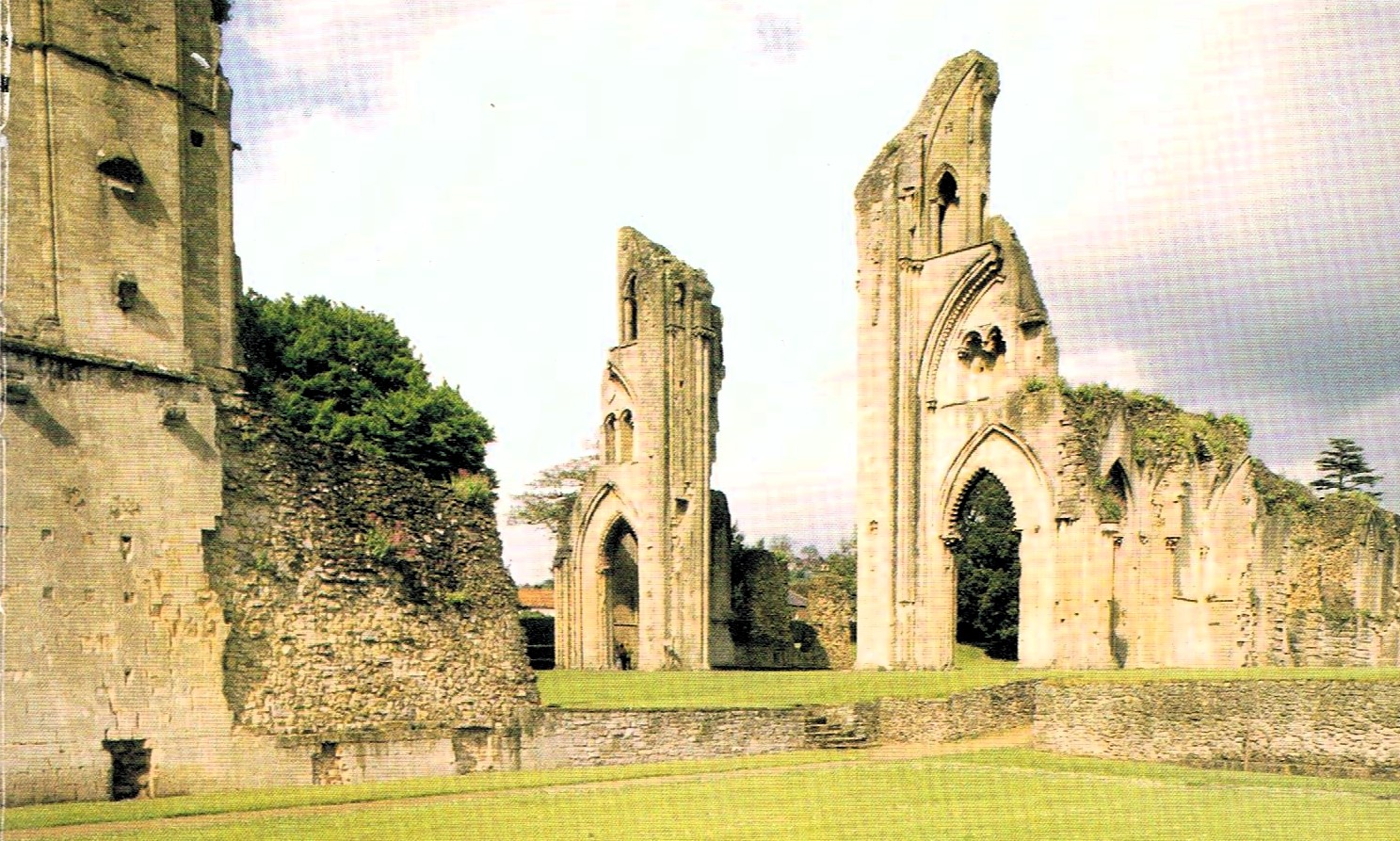
The sacred site and settlement. Long before its relatively recent appropriation as the site of a major music festival, Glastonbury in Somerset was intimately connected with the two linked legends of Joseph of Arimathea and King Arthur. Both were fully recorded in written form for the first time in the twelfth century, but they drewContinue reading “Heritage not Hate – The True Spirit of Glastonbury”
The Bloodied Sword, the Precious Pearl and the Black Cross; Chronicles of the Royal House of Wessex – V
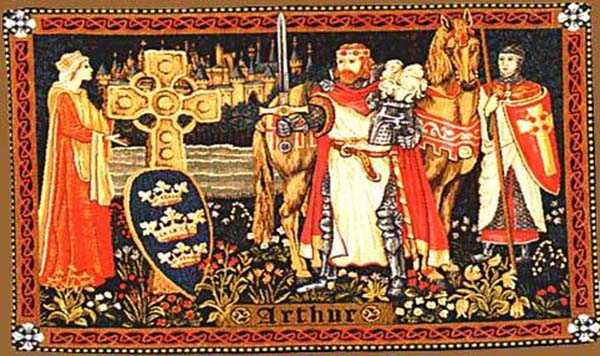
Episode Five – The King’s Peace and Justice; 1153-93: When Henry Plantagenet returned to England again at the start of 1153, bringing only a small army of mercenaries financed with borrowed money, he relied on the forces of Hugh Bigod and Ranulf of Chester. The churchmen who met him on the Hampshire coast also emphasisedContinue reading “The Bloodied Sword, the Precious Pearl and the Black Cross; Chronicles of the Royal House of Wessex – V”
The Bloodied Sword, the Precious Pearl and the Black Cross; Chronicles of the Royal House of Wessex – IV.

Episode Four: Scotland & England, 1093-1153 Scene Thirty-Nine – Dunfermline and Edinburgh, 1093; The Deaths of Malcolm and Margaret: In 1092, the peace agreement between Rufus and Malcolm signed five years earlier, broke down due to the building of another new castle by the Normans at Carlisle, even though the Scots claimed and controlled mostContinue reading “The Bloodied Sword, the Precious Pearl and the Black Cross; Chronicles of the Royal House of Wessex – IV.”
The Bloodied Sword, the Precious Pearl and the Black Cross; Chronicles of the Royal House of Wessex – III.
Episode Three – Rebels and Outlaws Scene Thirty; 1070-71 – The Legendary Outlaws of the Fens: Many of the stories of Hereward the Outlaw that follow these events were written down several generations after his own day, by which time they had already followed a legendary turn of phrase. But the twelfth-century Gesta Herewardi containsContinue reading “The Bloodied Sword, the Precious Pearl and the Black Cross; Chronicles of the Royal House of Wessex – III.”
J. R. R. Tolkien & Birmingham, 1896-1916: The Formative Years, Part One (to 1908) – Middle English
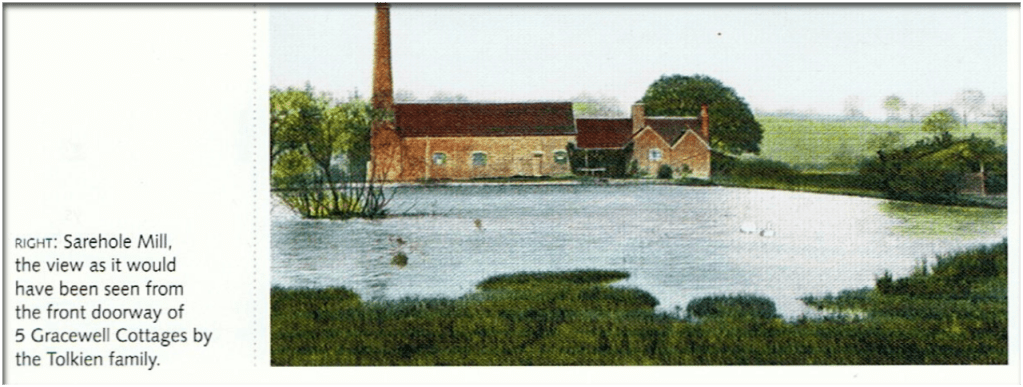
The South African Prelude – Beginnings in Bloemfontein: Arthur Reuel Tolkien and Mabel Suffield (pictured above in the family group), both from Birmingham, were married in Cape Town Cathedral on 16th April 1891, after which came an exhausting railway journey of nearly seven hundred miles to the capital of the Orange Free State. Less thanContinue reading “J. R. R. Tolkien & Birmingham, 1896-1916: The Formative Years, Part One (to 1908) – Middle English”
Who are the Ukrainians? Mythology & History, Part I, 862-1796: Kyivan Rus & Cossacks; Great Powers & Empires.
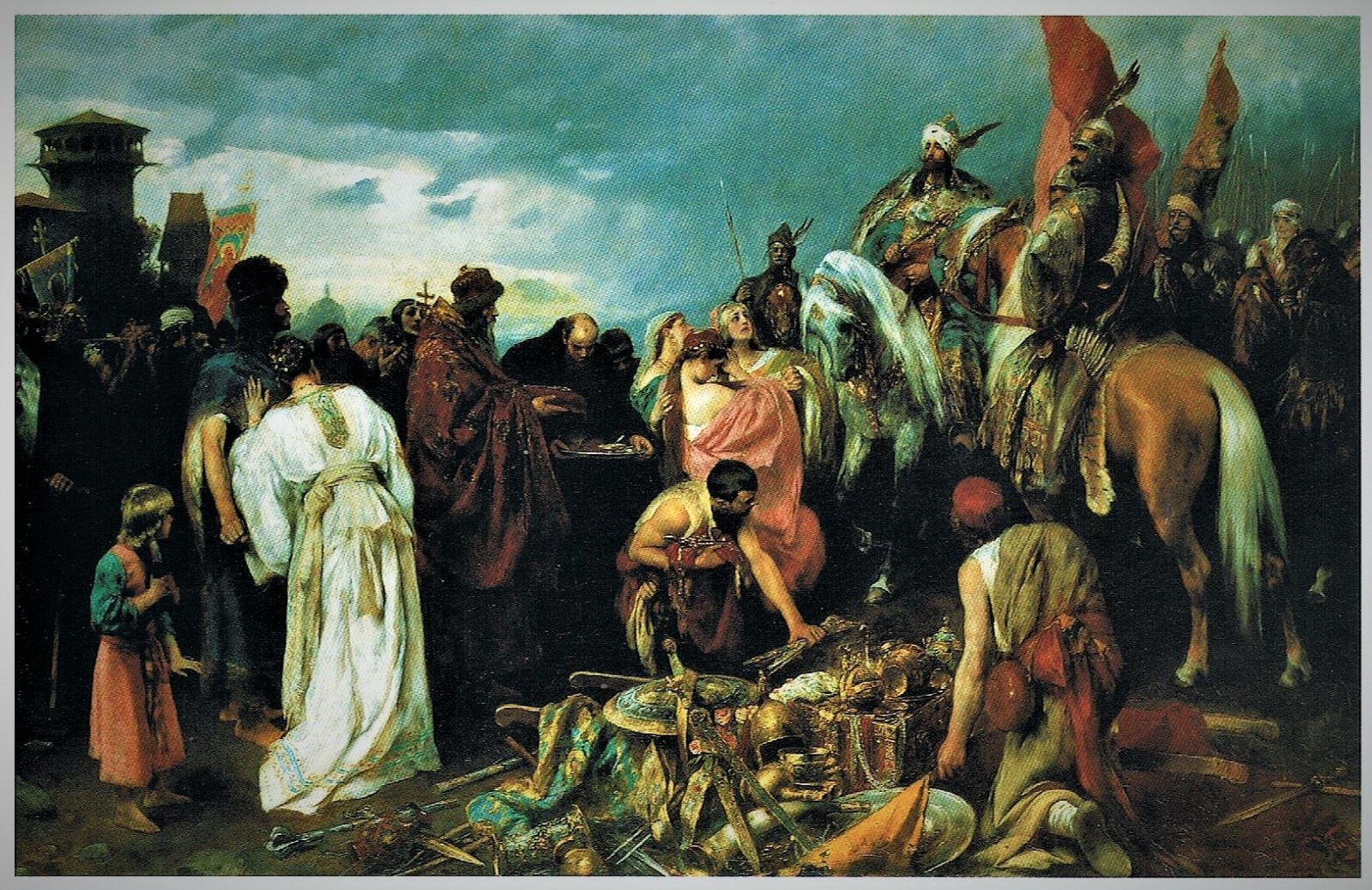
Fake History & The Russian World-View: “As you know, this conflict did not start today. It is my firm belief that its initiators are not the peoples of Russia and Ukraine, who came from one Kievan baptismal font, are united by common faith, common saints and prayers, and share common historical fate.“ In a 10Continue reading “Who are the Ukrainians? Mythology & History, Part I, 862-1796: Kyivan Rus & Cossacks; Great Powers & Empires.”
Welsh Bards & Hungarian Balladeers: Imagining the Past – Poetry & History.

Wars of Independence: In 1857, the legendary martyrdom of the courtly poets of Wales by Edward I was used by the nineteenth-century Hungarian poet János Arany to serve as a parable of resistance to another Empire after the ‘heroic’ uprising and war of independence of 1848-49 in his native country. Arany’s poem, Walesi bardok (The Bards ofContinue reading “Welsh Bards & Hungarian Balladeers: Imagining the Past – Poetry & History.”
The End of Saxon England? Revisiting the Norman Conquest: Chapter I – The Confessor, the Conqueror & the House of Wessex, 1035-1135
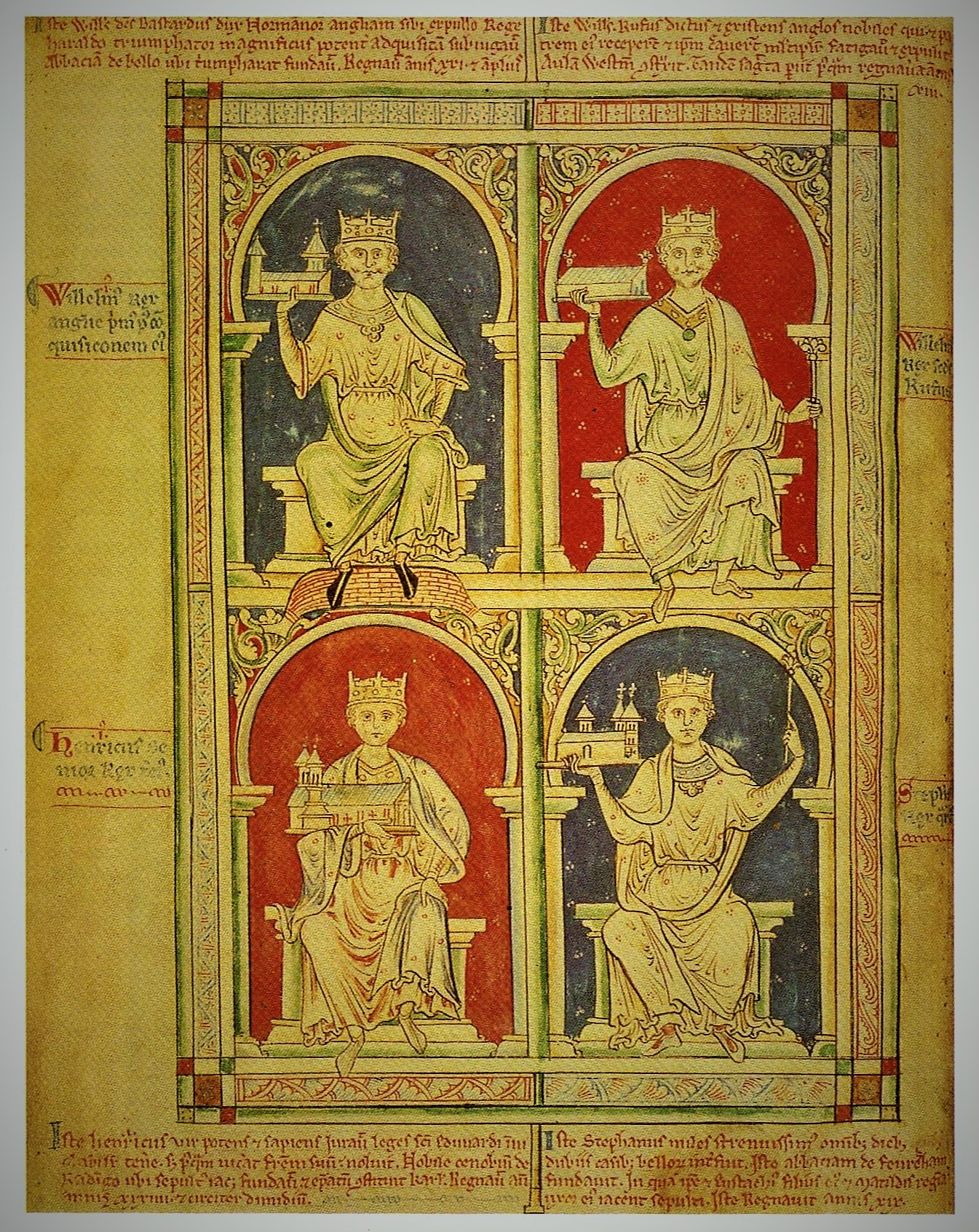
The Tragedy of Harold Godwinson: The story of the Norman ‘takeover’ of England has been told very often, most vividly in one of the earliest accounts in the form of Queen Matilda’s tapestry, still kept in Bayeux, which gives it the name it is better known by. French legend maintained the tapestry was commissioned andContinue reading “The End of Saxon England? Revisiting the Norman Conquest: Chapter I – The Confessor, the Conqueror & the House of Wessex, 1035-1135”
Unifying the Kingdoms of Britain: The Kings of Wessex & The Birth of England, 871-1031.
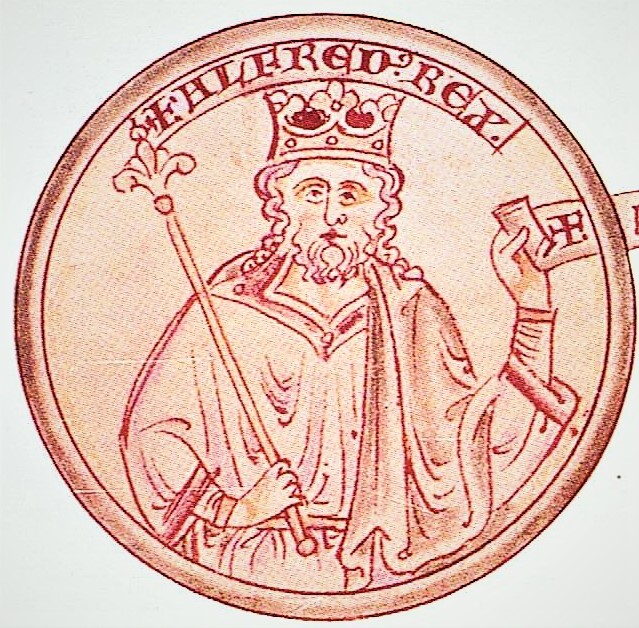
Chaos in Christendom: From the late ninth century until the mid-eleventh century in Europe, internal and external problems steadily weakened western Christendom. The Carolingian Empire had fragmented; no major military power existed in the West. The continued attacks of Muslims from the south, a new wave of attackers from central Asia, the Magyars (Hungarians) andContinue reading “Unifying the Kingdoms of Britain: The Kings of Wessex & The Birth of England, 871-1031.”
 Andrew James