
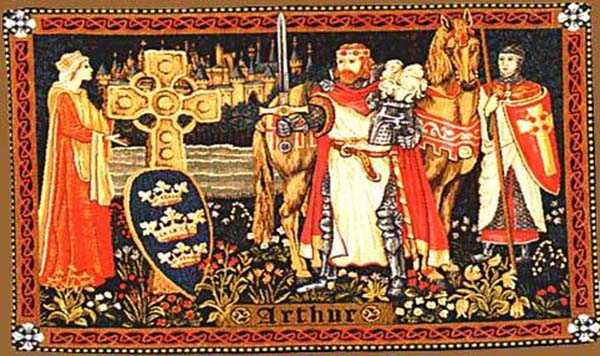
Episode Five – The King’s Peace and Justice; 1153-93: When Henry Plantagenet returned to England again at the start of 1153, bringing only a small army of mercenaries financed with borrowed money, he relied on the forces of Hugh Bigod and Ranulf of Chester. The churchmen who met him on the Hampshire coast also emphasisedContinue reading “The Bloodied Sword, the Precious Pearl and the Black Cross; Chronicles of the Royal House of Wessex – V”
Category Archives: Gloucester
The Bloodied Sword, the Precious Pearl and the Black Cross; Chronicles of the Royal House of Wessex – IV.

Episode Four: Scotland & England, 1093-1153 Scene Thirty-Nine – Dunfermline and Edinburgh, 1093; The Deaths of Malcolm and Margaret: In 1092, the peace agreement between Rufus and Malcolm signed five years earlier, broke down due to the building of another new castle by the Normans at Carlisle, even though the Scots claimed and controlled mostContinue reading “The Bloodied Sword, the Precious Pearl and the Black Cross; Chronicles of the Royal House of Wessex – IV.”
Majesty & Grace II – The Lives & Times of The Windsors; George V & Family, 1921-1936.
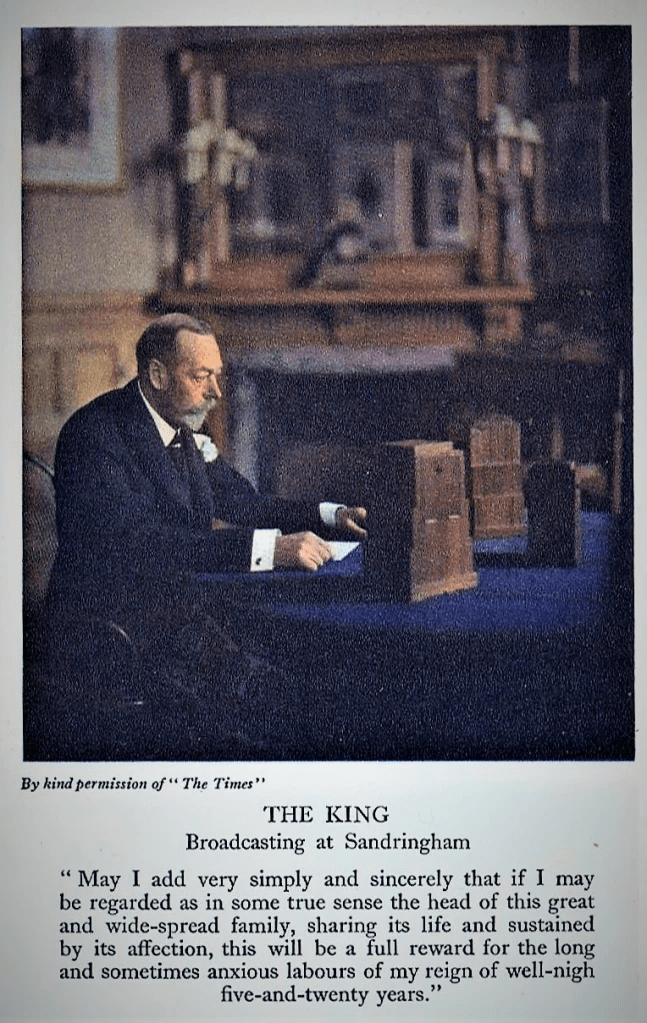
1922-23 – Four Royal Weddings: The betrothal of 24-year-old Princess Mary to Viscount Lascelles, 39-year-old millionaire son of the Earl of Harewood, was officially announced at Buckingham Palace on 22 November 1921: On the last day of February 1922, the marriage was held at Westminster Abbey. The Abbey was thrown open to the public afterContinue reading “Majesty & Grace II – The Lives & Times of The Windsors; George V & Family, 1921-1936.”
Scenes from Baptist History: Persecution of the Puritans, Evangelical Revival & William Carey, 1662-1812.
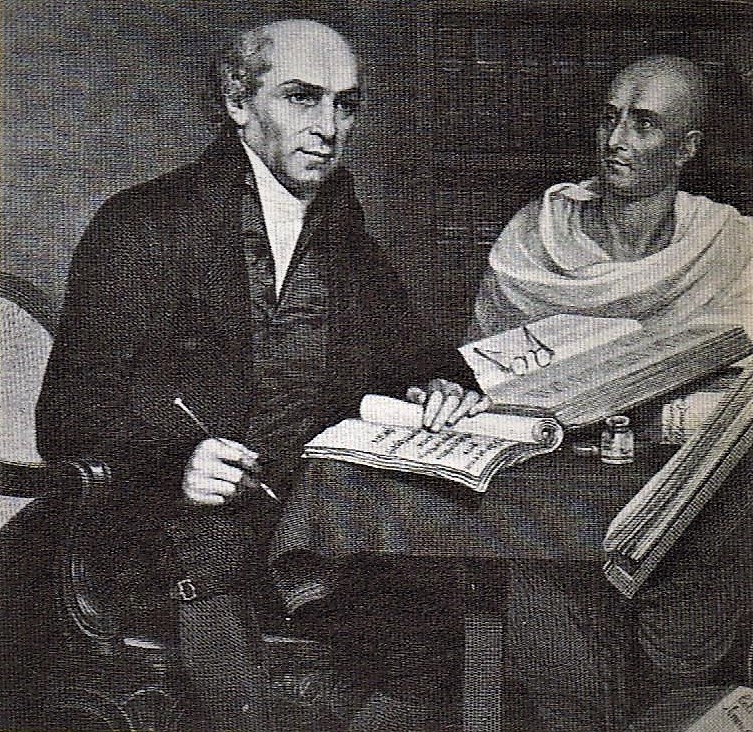
Persecution of All ‘Nonconformists’, 1662-87: It was not until 1687 that the dissenting or ‘nonconformist’ churches felt able to look back upon ye Times of our late Troubles since the Act of Uniformity in 1662 had taken away the relative toleration they had experienced in the Interregnum. The Presbyterian minister Richard Baxter (1615-91) had takenContinue reading “Scenes from Baptist History: Persecution of the Puritans, Evangelical Revival & William Carey, 1662-1812.”
Welsh Bards & Hungarian Balladeers: Imagining the Past – Poetry & History.

Wars of Independence: In 1857, the legendary martyrdom of the courtly poets of Wales by Edward I was used by the nineteenth-century Hungarian poet János Arany to serve as a parable of resistance to another Empire after the ‘heroic’ uprising and war of independence of 1848-49 in his native country. Arany’s poem, Walesi bardok (The Bards ofContinue reading “Welsh Bards & Hungarian Balladeers: Imagining the Past – Poetry & History.”
The End of Saxon England? Revisiting the Norman Conquest, 1035-1135: Chapter II – Castles, Abbeys, Cathedrals & Churches.
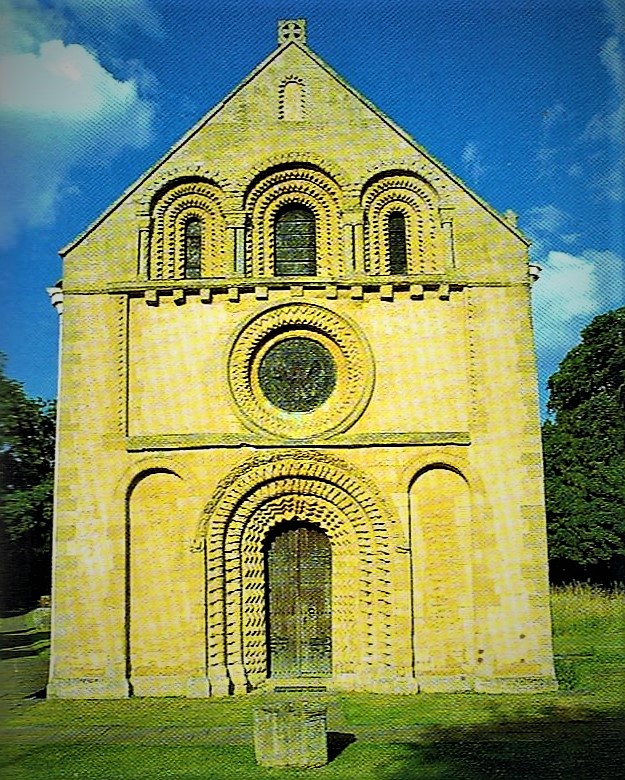
Knights, Barons & Castles: The knights who served William ‘the Conqueror’ were armed in many respects as their English opponents, wearing mail hauberks and conical helmets, and carrying kite-shaped shields, lances, swords and maces. If battlefield tactics were dominated by the mounted knight, the strategies of war were increasingly subject to the powerful influence ofContinue reading “The End of Saxon England? Revisiting the Norman Conquest, 1035-1135: Chapter II – Castles, Abbeys, Cathedrals & Churches.”
The End of Saxon England? Revisiting the Norman Conquest: Chapter I – The Confessor, the Conqueror & the House of Wessex, 1035-1135
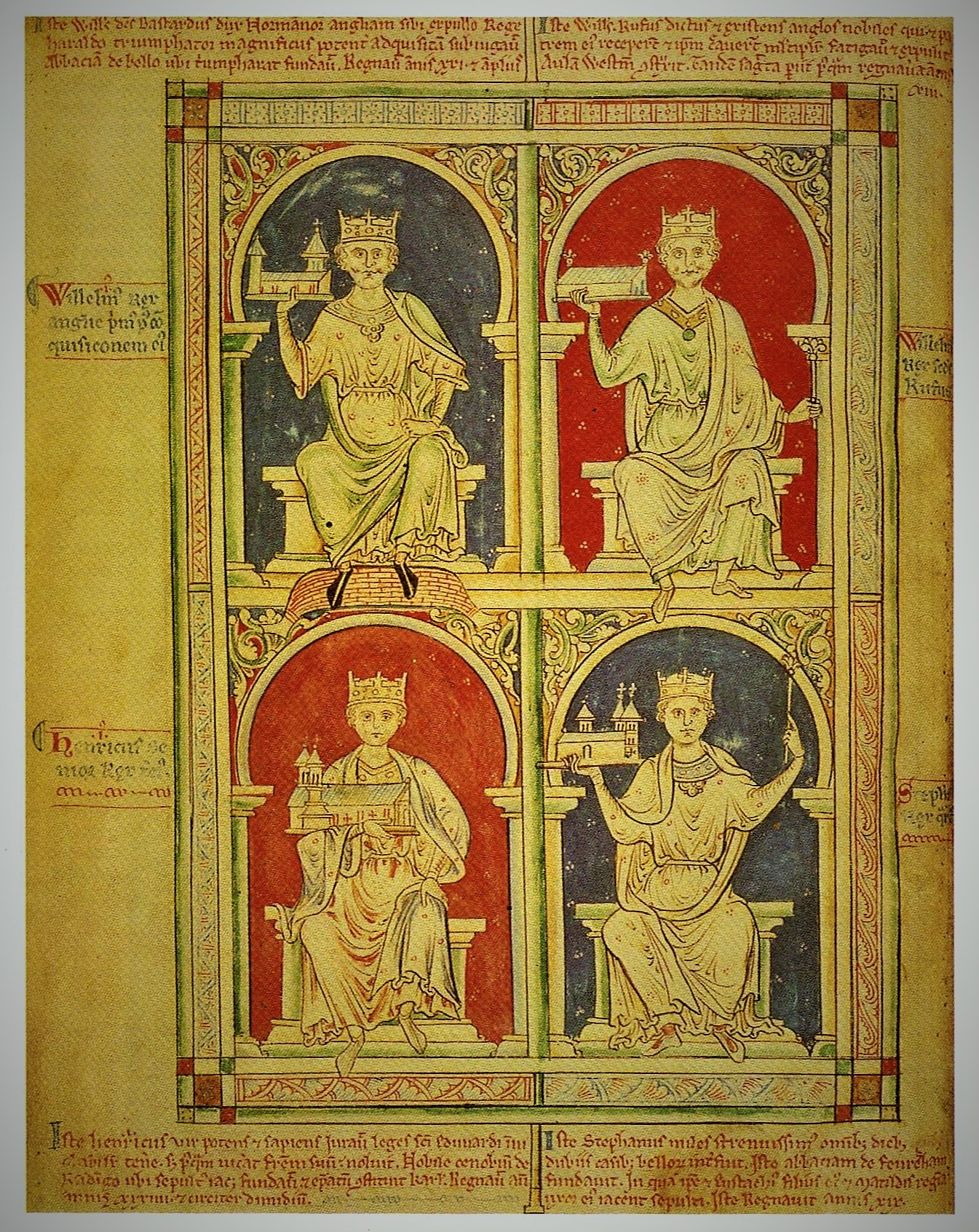
The Tragedy of Harold Godwinson: The story of the Norman ‘takeover’ of England has been told very often, most vividly in one of the earliest accounts in the form of Queen Matilda’s tapestry, still kept in Bayeux, which gives it the name it is better known by. French legend maintained the tapestry was commissioned andContinue reading “The End of Saxon England? Revisiting the Norman Conquest: Chapter I – The Confessor, the Conqueror & the House of Wessex, 1035-1135”
Unifying the Kingdoms of Britain: The Kings of Wessex & The Birth of England, 871-1031.
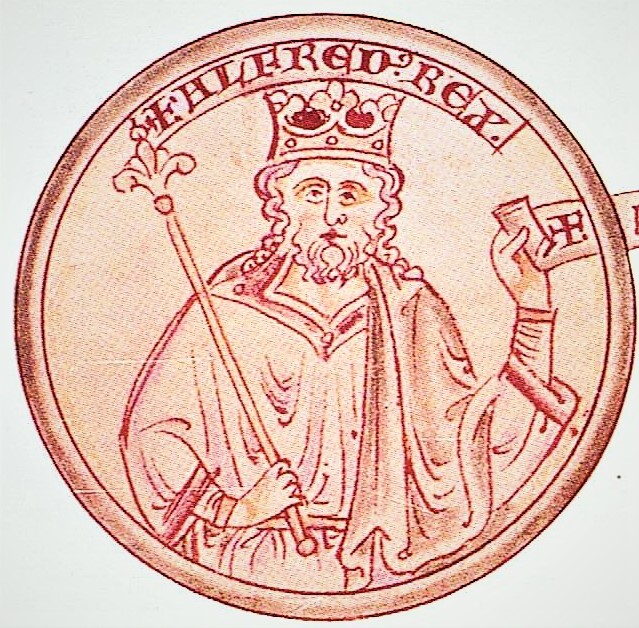
Chaos in Christendom: From the late ninth century until the mid-eleventh century in Europe, internal and external problems steadily weakened western Christendom. The Carolingian Empire had fragmented; no major military power existed in the West. The continued attacks of Muslims from the south, a new wave of attackers from central Asia, the Magyars (Hungarians) andContinue reading “Unifying the Kingdoms of Britain: The Kings of Wessex & The Birth of England, 871-1031.”
The False Dawn: Saxons, Celts and Britons, 616-839 – From Edwin of Northumbria to Egbert of Wessex.
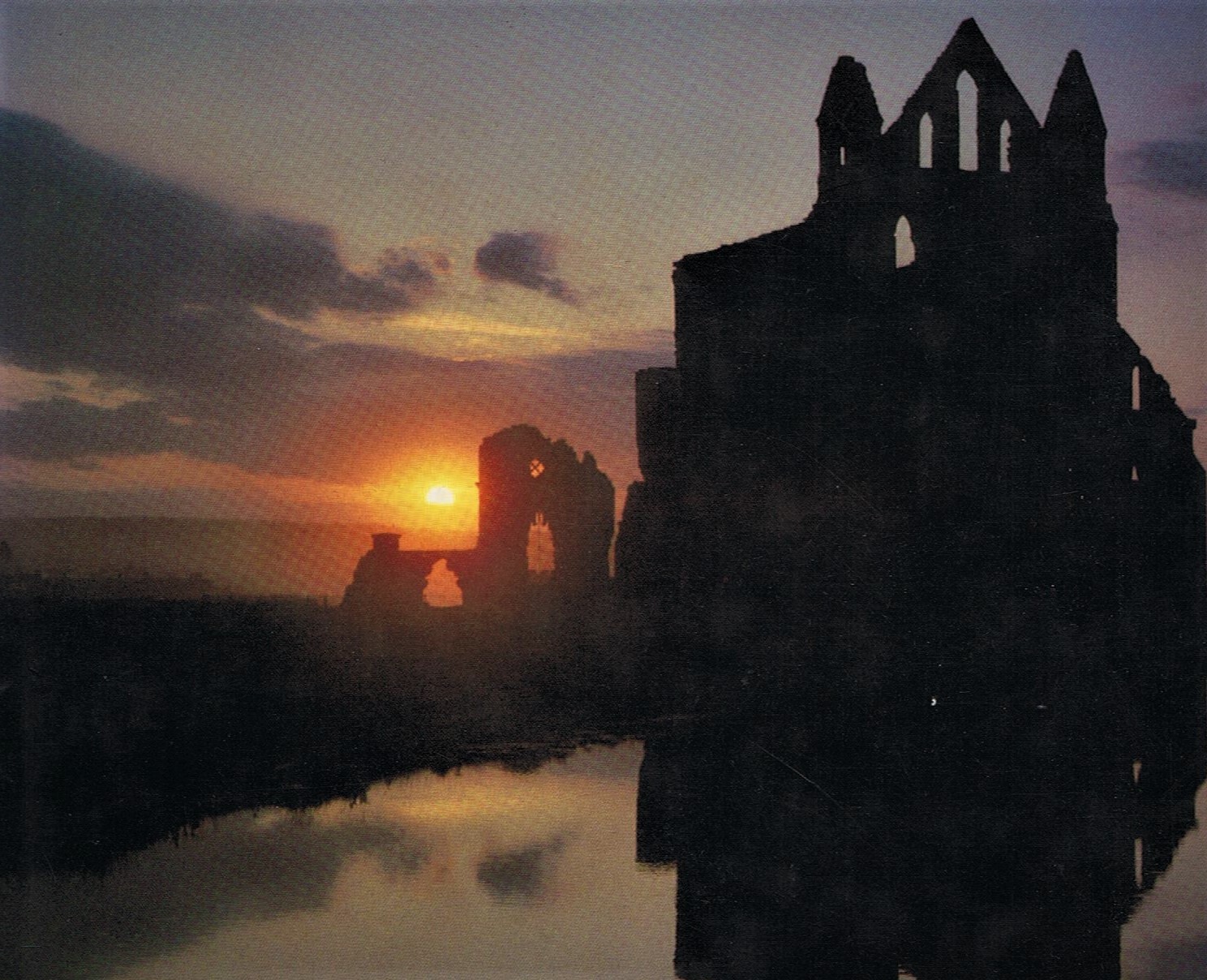
The (no-longer-so-dark) Dark Ages: Since the discovery of the Sutton Hoo burial in Suffolk in 1939, archaeology has continued to shed light on the ‘Dark Ages’, where documentary evidence is lacking. The distribution of pagan fifth-century Anglo-Saxon burials indicates the probable areas of earliest English settlement in Britain. The English ‘advance’ continued throughout the periodContinue reading “The False Dawn: Saxons, Celts and Britons, 616-839 – From Edwin of Northumbria to Egbert of Wessex.”
Battles of the Britons: Seawolves, Settlements & Saints, circa 415-615.
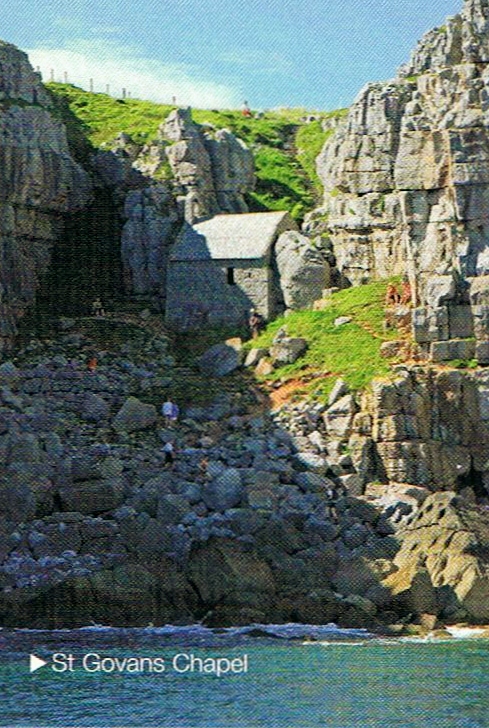
The Disintegration of Roman Britain: With the removal of Rome’s military support by around 411 the centralised adminisration of occupied Britain disintegrated, although the form and values of Roman life were not instantly overthrown. It was still hoped that Britain would become a Roman province again and an appeal for military aid was made toContinue reading “Battles of the Britons: Seawolves, Settlements & Saints, circa 415-615.”
 Andrew James