
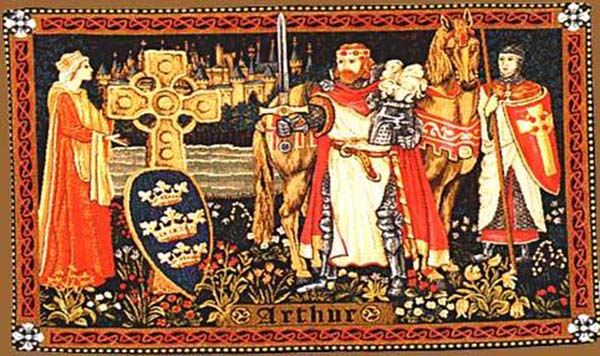
Glastonbury in Somerset has long been associated with the legendary Arthur and Guinevere, and it came to be identified as the Isle of Avalon (Ynys yr Afal in Welsh, ‘the Isle of the Apple’) to which Arthur was borne by three black-robed queens after his last battle with Mordred, according to the romantic literature ofContinue reading “The True Spirit of Glastonbury Revived”
Category Archives: Elizabeth I
Heritage not Hate – The True Spirit of Glastonbury
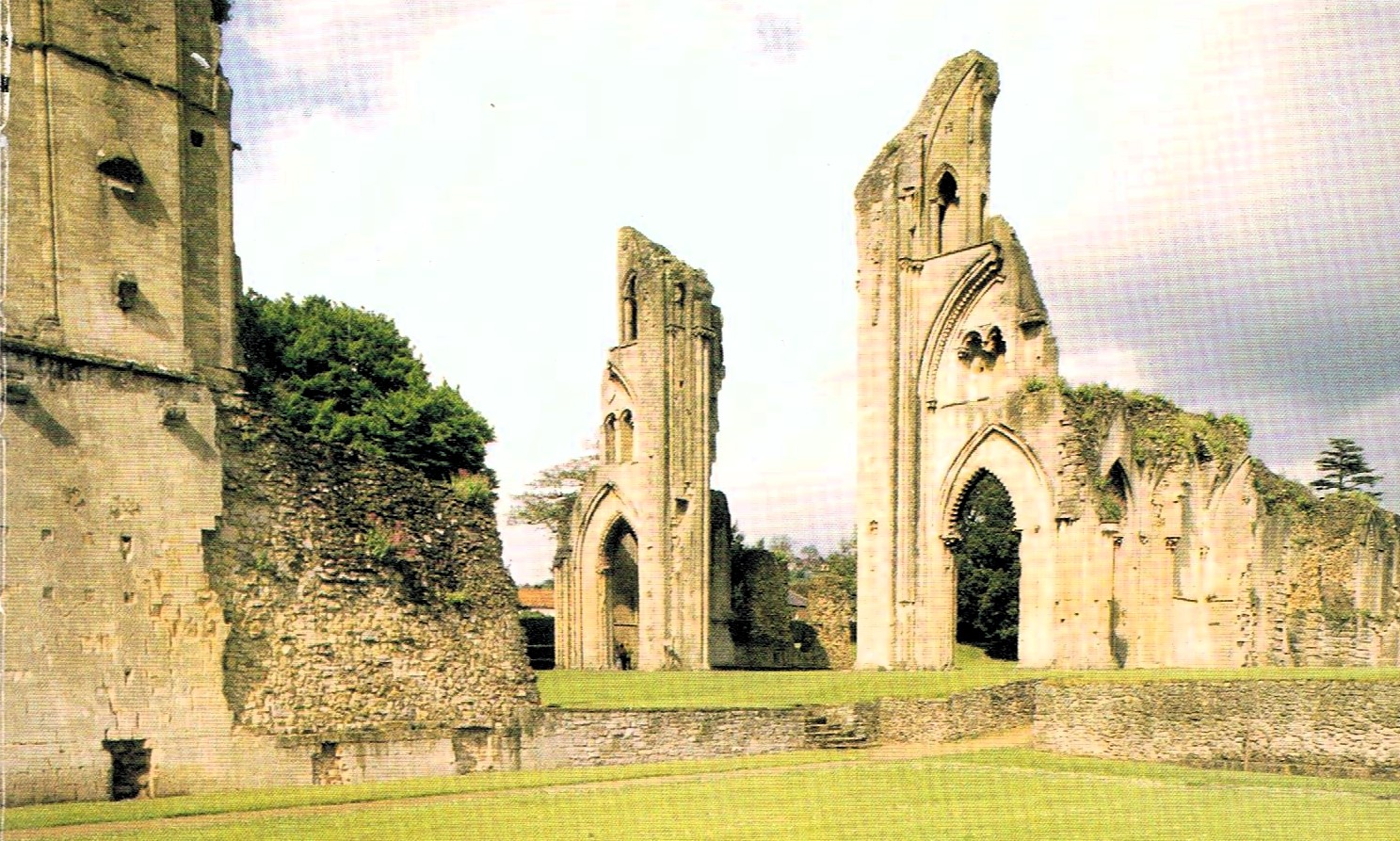
The sacred site and settlement. Long before its relatively recent appropriation as the site of a major music festival, Glastonbury in Somerset was intimately connected with the two linked legends of Joseph of Arimathea and King Arthur. Both were fully recorded in written form for the first time in the twelfth century, but they drewContinue reading “Heritage not Hate – The True Spirit of Glastonbury”
The Raven & the White Rose – The Plantagenet Pretender in Buda: Richard de la Pole.
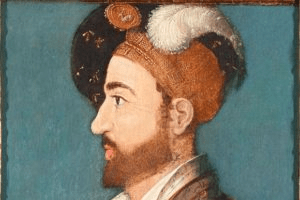
The Growth of the Great Central European Empire: Sigismund of Bohemia, pictured above, became Holy Roman Emperor in 1433, an event which marked the establishment of the great Central European Empire under Habsburg rule, through his daughter’s marriage, until 1918. As Emperor, he acted as an intermediary between Henry V of England and the KingContinue reading “The Raven & the White Rose – The Plantagenet Pretender in Buda: Richard de la Pole.”
Where in the World is Wales? Celebrating St David’s Day, 1st March – a retrospective after forty years ‘in exile’.
St. David’s Day (Dydd Gwyl Dewi) is the first of the four national days or patron saints’ days in the British calendar. Saint David (Dewi Sant in Welsh) is the only of them to actually hail from the country for which he was canonised. Yet we know very little of a factual nature about his life. Apparently,Continue reading “Where in the World is Wales? Celebrating St David’s Day, 1st March – a retrospective after forty years ‘in exile’.”
Who were the Huguenots? Currents of Cultural & Linguistic Change in France & Early Modern Europe.

Pictured above are French Protestants at Lyons Temple service, which was converted from an ordinary house. The hatted preacher is timed by an hourglass, and the two sexes are seated mainly in separate parts of the temple. Introduction – A Retrospective on Genocide & Deculturation: The word ‘genocide’ is essentially a term relating to eventsContinue reading “Who were the Huguenots? Currents of Cultural & Linguistic Change in France & Early Modern Europe.”
‘Cry God for Queen Bess, England and St Cuthbert….!’ How did George become England’s Patron Saint?

Follow your spirit; and upon this charge Cry God for Harry, England and St George! William Shakespeare, Henry V, Part One. England hasn’t really got a national anthem….The Irish, the Scots and the Welsh all have anthems, the Americans have the cheek to sing ‘My Country ’tis of thee’ to the tune of ‘God Save the Queen‘, but what do theContinue reading “‘Cry God for Queen Bess, England and St Cuthbert….!’ How did George become England’s Patron Saint? “
Good King Lucius & The Establishment of Christianity in Britain: War, Economy & Religion, c. AD 60 – c. AD 210
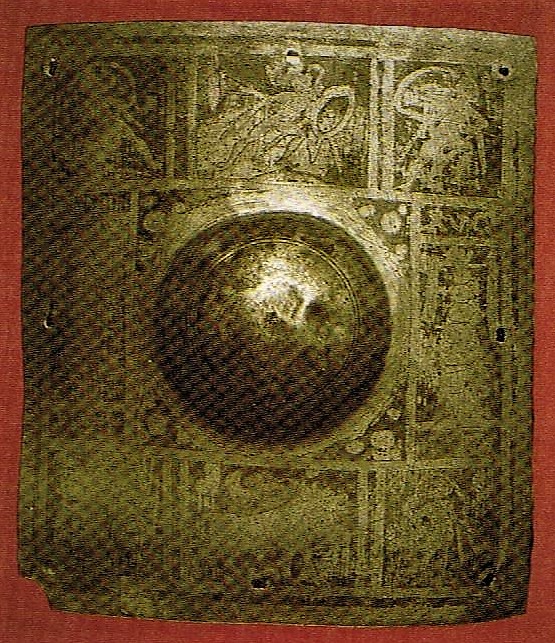
The Christian Faith, Native Religious Traditions & Society: In the first and second centuries AD, the Christian faith spread very widely among the the poor and the slaves, to whom Christ’s teaching offered new hope and comfort. Excellent new communications by land and sea, and the movement of Roman troops, assisted the spread of theContinue reading “Good King Lucius & The Establishment of Christianity in Britain: War, Economy & Religion, c. AD 60 – c. AD 210”
The Civil Wars and Local Communities in England, 1642-47: Documents, Debates and Case Studies from Somerset, Gloucestershire, Herefordshire and Wiltshire.
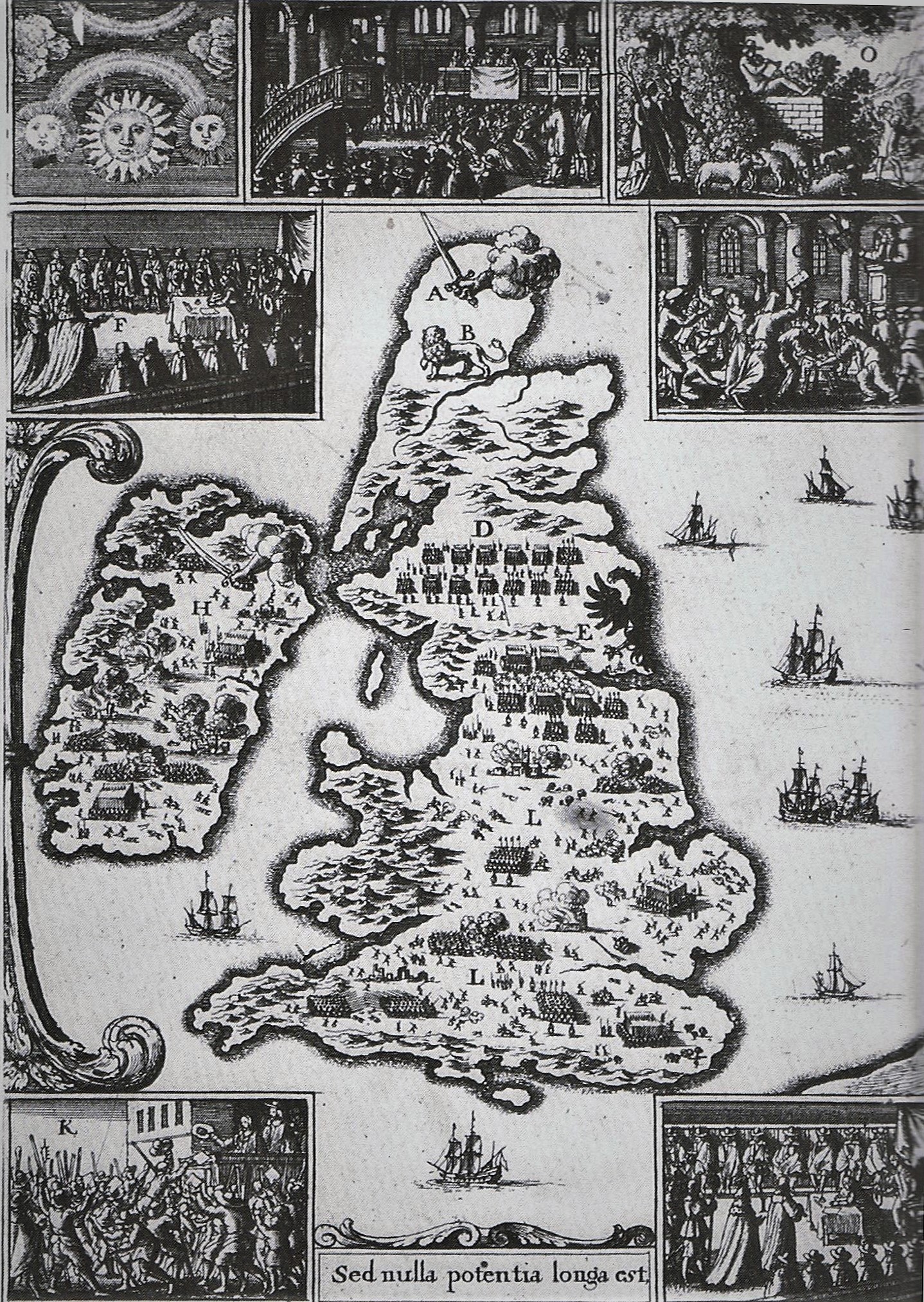
National, Regional & Local Narratives: Local history has provided one of the most fruitful areas of study for historians researching the English Civil Wars in recent decades. Whereas earlier historians had tended to concentrate on presenting a chronological narrative of military events in the locality, more recent authors, stimulated by the wealth of source materialContinue reading “The Civil Wars and Local Communities in England, 1642-47: Documents, Debates and Case Studies from Somerset, Gloucestershire, Herefordshire and Wiltshire.”
The Three Kingdoms & The Third Civil War: Campaigns in Ireland; Drogheda & Wexford to Tipperary, 1649-1652.
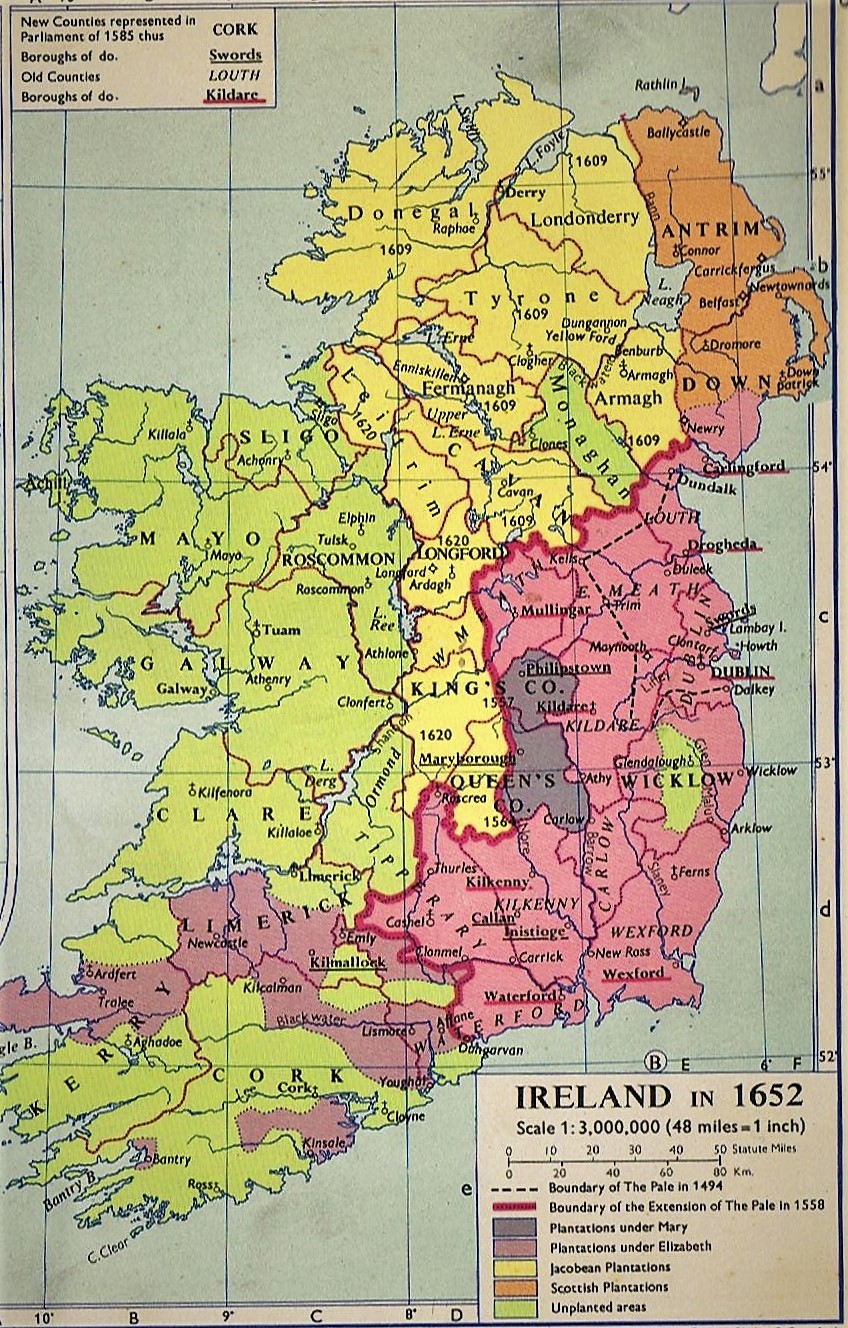
The Stuart Court at the Hague, 1649-51: The Trial and Execution of Charles I may have shocked the whole of Europe at first, but Edward Hyde, First Earl of Clarendon, wrote after the execution that… The kings and princes of Christendom had their eyes fixed upon this woeful bloody spectacle; how they looked upon thatContinue reading “The Three Kingdoms & The Third Civil War: Campaigns in Ireland; Drogheda & Wexford to Tipperary, 1649-1652.”
Regicides, Rebels & Revolutionaries: November 1648 – October 1649; from Pride’s Purge to the Leveller Mutinies in England.

Ireton’s ‘Remonstrance’ – St Albans & the London Levellers: When the Second Civil War ended, the frustrations and bitterness which had steadily been mounting against the king’s duplicity finally reached fever pitch. Many petitions were dispatched to London from various parts of the country demanding ‘impartial justice’ for all those involved in causing the recentContinue reading “Regicides, Rebels & Revolutionaries: November 1648 – October 1649; from Pride’s Purge to the Leveller Mutinies in England.”
 Andrew James