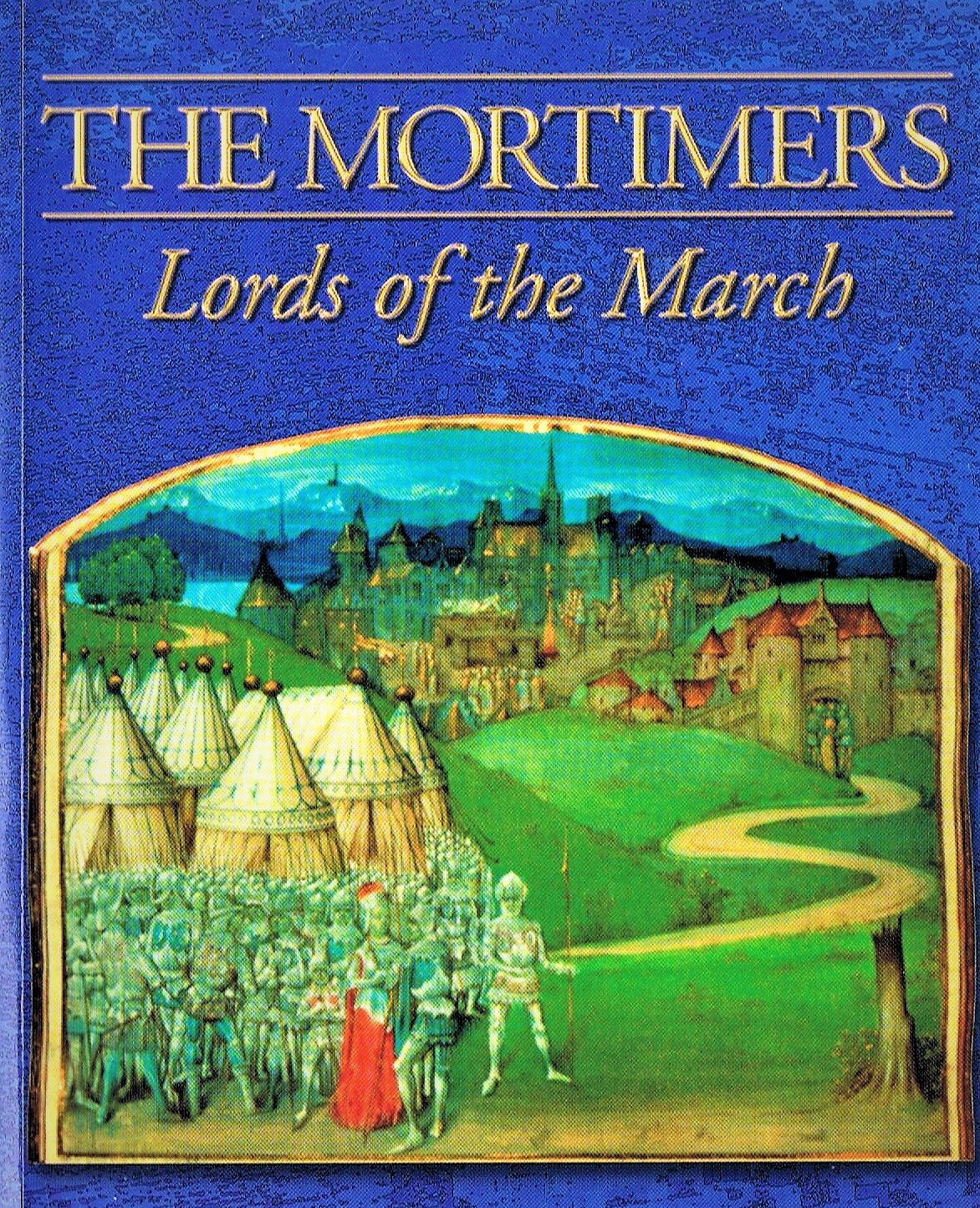
The Conquest of ‘the Middle March’ & The Mortimers, 1240-1330: Searching for the history behind the legend of the ‘Massacre of the Five Hundred Bards’ entails a more detailed understanding of the nature and events surrounding ‘royal Montgomery’ and what became known as ‘the Middle March’, including the lands held (often temporarily) by the MortimerContinue reading “More on Poetry & History: The Middle Marches of Wales, the Welsh Bards & the Love Poems of Dafydd ap Gwilym.”
Author Archives: Andrew James Chandler
Welsh Bards & Hungarian Balladeers: Imagining the Past – Poetry & History.

Wars of Independence: In 1857, the legendary martyrdom of the courtly poets of Wales by Edward I was used by the nineteenth-century Hungarian poet János Arany to serve as a parable of resistance to another Empire after the ‘heroic’ uprising and war of independence of 1848-49 in his native country. Arany’s poem, Walesi bardok (The Bards ofContinue reading “Welsh Bards & Hungarian Balladeers: Imagining the Past – Poetry & History.”
Bristol, Colston and Colonial Trade, 1580-1780

Originally posted on Andrew James:
Foreground: The ‘Drowning’ of Edward Colston, 2020 https://anglo-magyar-media.com/wp-content/uploads/2022/01/001-13.jpg Above: Edward Colston’s statue towards Bristol harbour. Photograph from The Guardian Weekly, 12 June 2020, by Giulia Spadafora, Getty. The heart-breaking, public and blatant murder of George Floyd by a white police officer in Minneapolis on 25 May 2020 has fuelled a storm of…
Living and Loving Faithfully
A Response to the Church of England’s Document and Discourse on Sexuality, Marriage and Gender. New Testament Marriage, Blessings & Covenants: This year, in England and Wales at least, the ‘Gay Marriage‘ controversy has been hitting the headlines again, especially in recent weeks, with the Church in Wales performing its first service of blessing for aContinue reading “Living and Loving Faithfully”
Welsh place names a hit in Hungary as cities get a Welsh rebrand
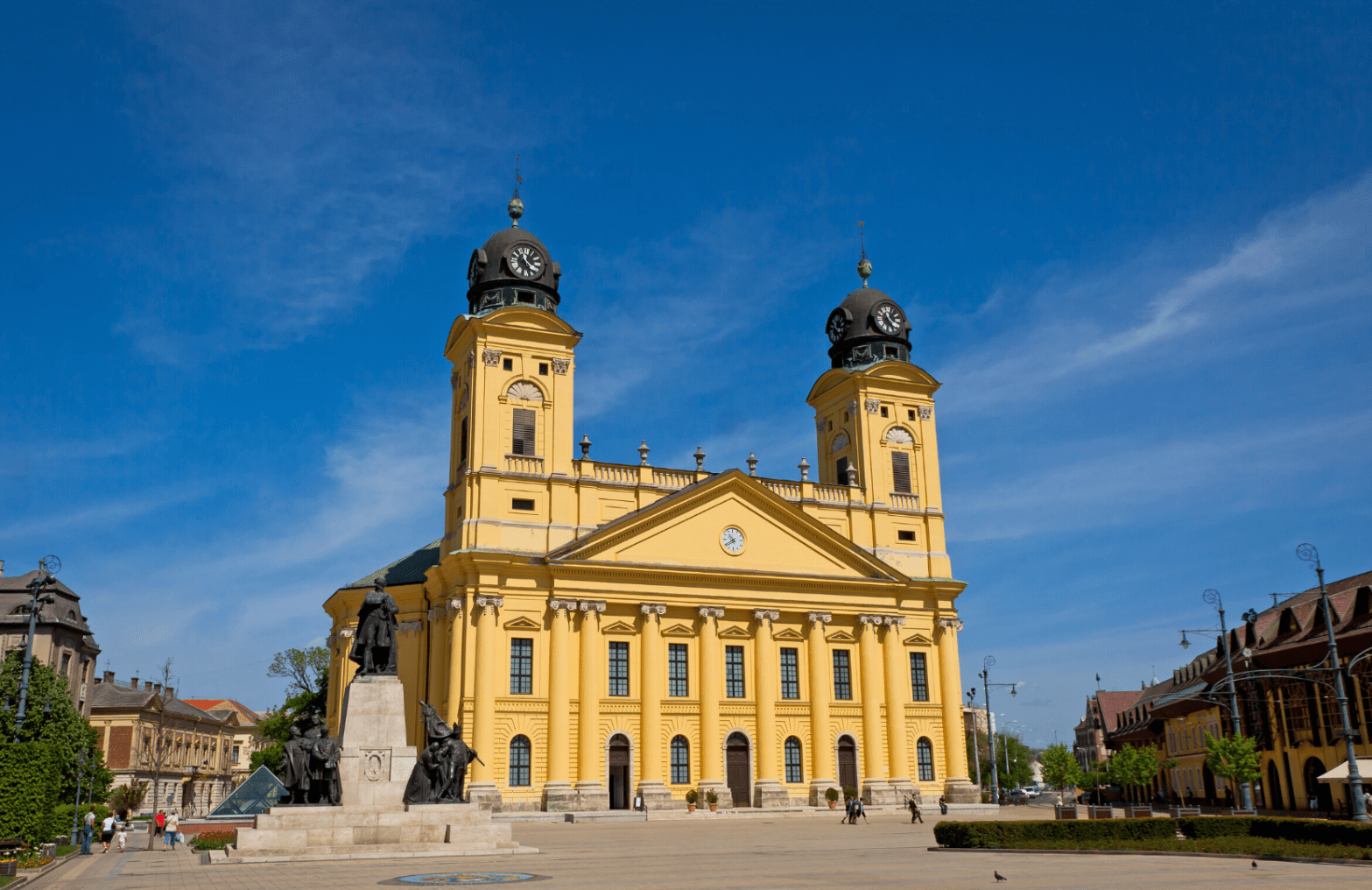
“Other new names included Llanbedwen (church of the birch region, for Nyíregyháza), Llefyw (living place, for Debrecen), and Bwlch-y-Gafr (the goat’s path, referring to Kecskemét).”
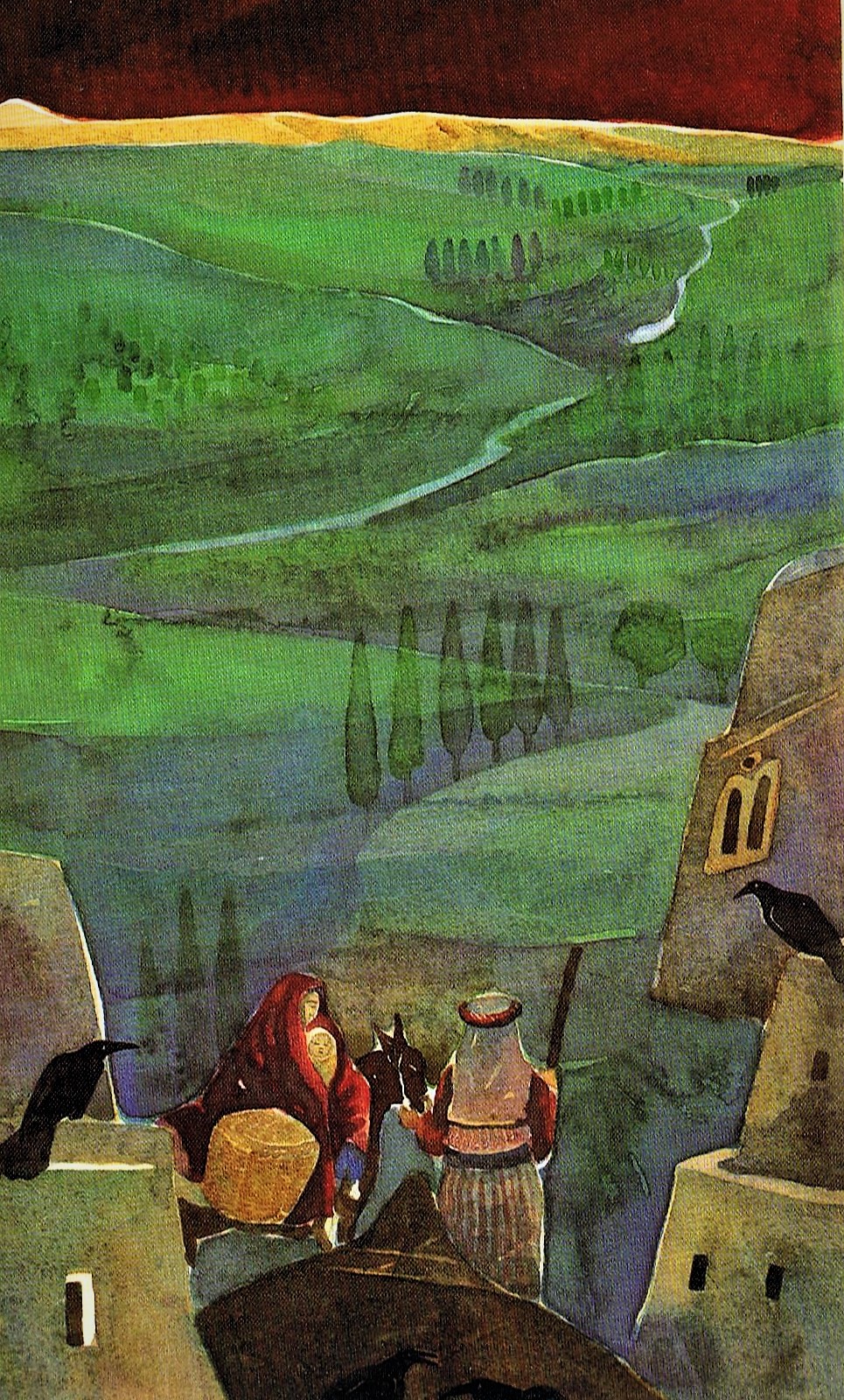
Advent to Candlemas: The History of the Gospel Narratives of the Incarnation, Nativity and Epiphany.
Originally posted on Andrew James:
Have put up your Christmas tree yet? For many people, especially in Britain, the beginning of Advent, or even earlier, is the time to put up the Christmas decorations. In Central Europe and in parts of the USA, it is more traditional to wait until Christmas Eve, 24th December. The…
The Mysterious Magyar Origins of Margaret of Wessex, Hungary and Scotland
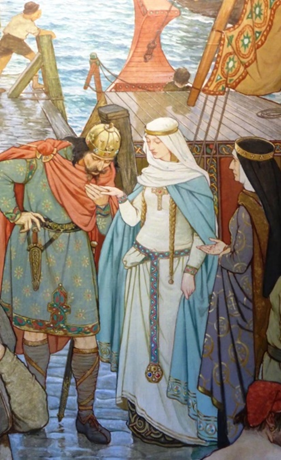
As all Scots know, 30th November is St Andrew’s Day, their ‘patron saint’. However, few people in Scotland, England and Hungary will know that the 17th November is the day when the Church commemorates the saint who links all three countries. Margaret was born in Hungary, the daughter of the exiled rightful heir to theContinue reading “The Mysterious Magyar Origins of Margaret of Wessex, Hungary and Scotland”
Afghanistan – ‘An Anatomy of Reporting’; Twenty-Five Years On: 1996-2021.
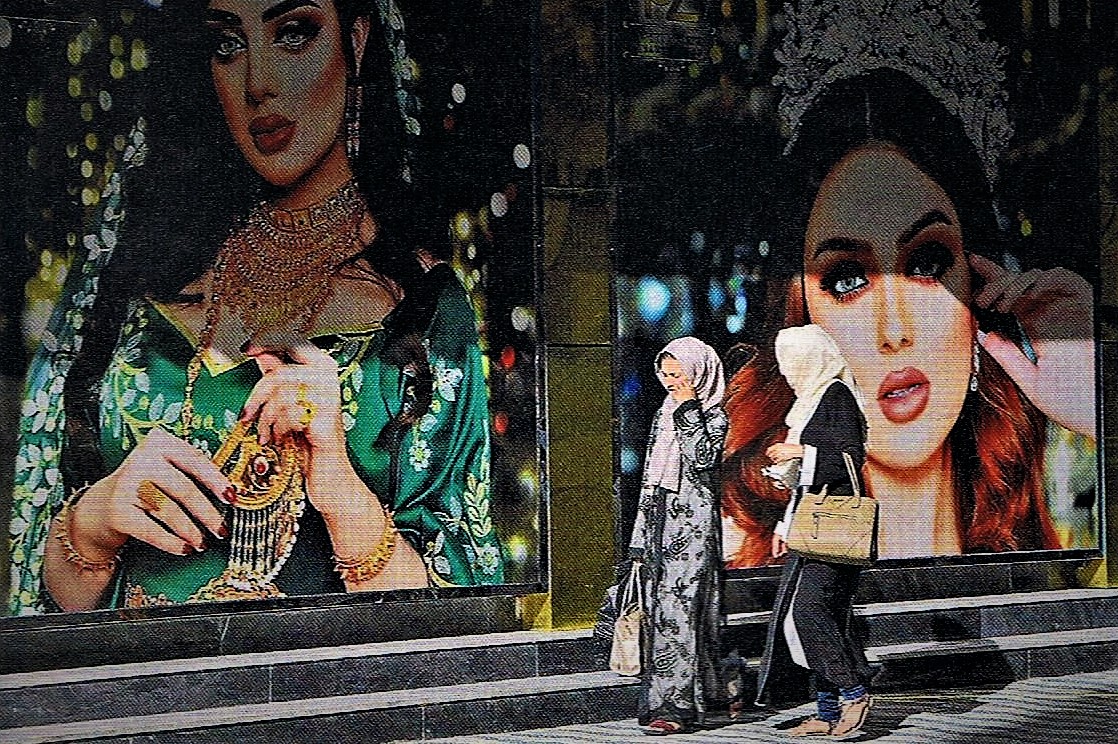
Originally posted on Andrew James:
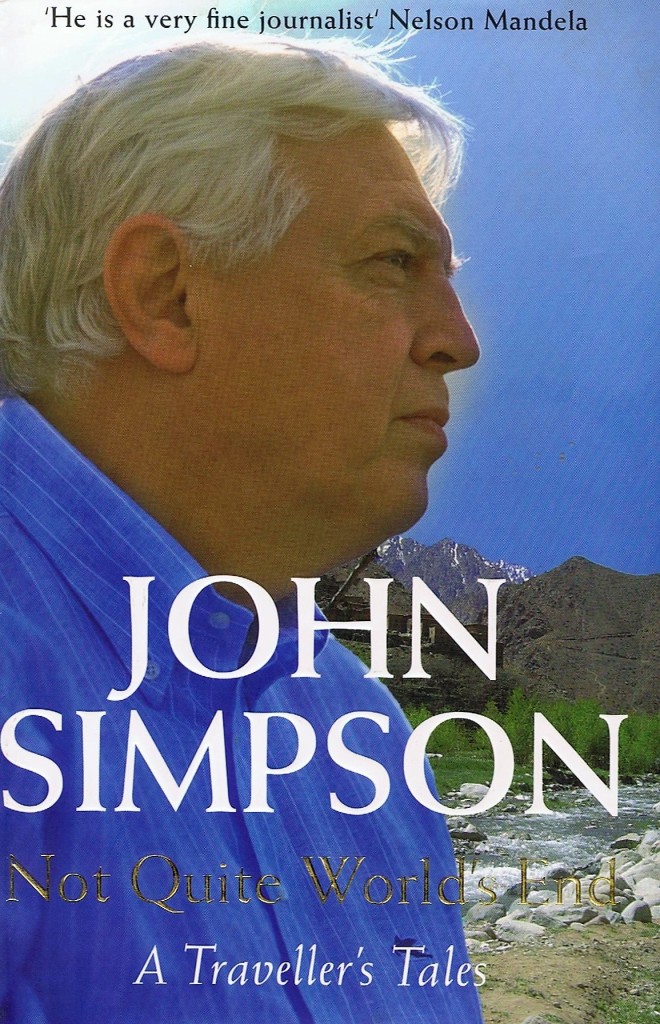
https://anglo-magyar-media.com/wp-content/uploads/2021/08/001-9-1.jpg John Simpson has been travelling the world as a journalist for forty years, reporting on the many wars, disasters and international events duirng that time. Even the attacks of 11 September 2001 in New York and Washington have not caused the world to stop turning. Some things have changed…
How the Taliban Began – Afghanistan 1994-97 – John Simpson’s Journal (and how different are they now, really?)

The Road to Kabul: Recent developments in Afghanistan, particularly over the past fortnight, together with this week’s (18th August) emergency debate in the House of Commons, have prompted me to write further on the question of Afghanistan, taking an even longer view of the key issues of the past quarter century. In my last postContinue reading “How the Taliban Began – Afghanistan 1994-97 – John Simpson’s Journal (and how different are they now, really?)”
The End of Saxon England? Revisiting the Norman Conquest, 1035-1135: Chapter II – Castles, Abbeys, Cathedrals & Churches.
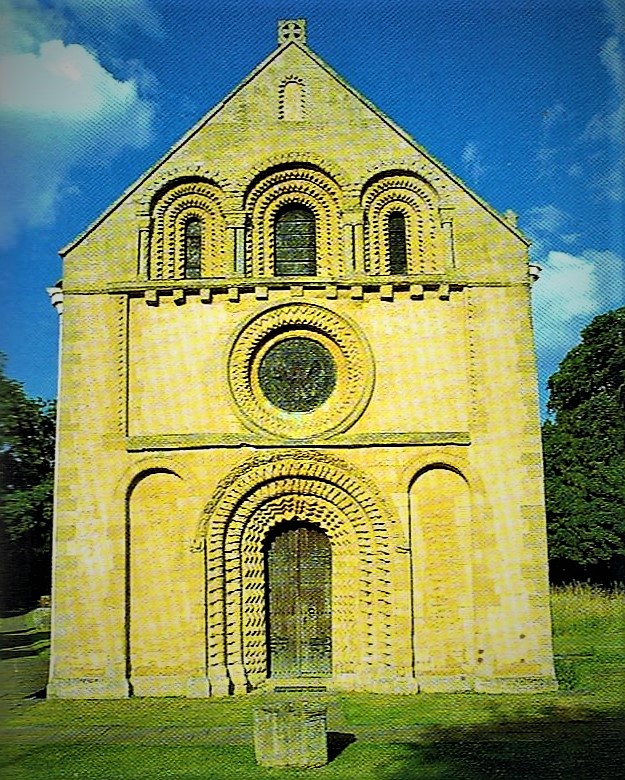
Knights, Barons & Castles: The knights who served William ‘the Conqueror’ were armed in many respects as their English opponents, wearing mail hauberks and conical helmets, and carrying kite-shaped shields, lances, swords and maces. If battlefield tactics were dominated by the mounted knight, the strategies of war were increasingly subject to the powerful influence ofContinue reading “The End of Saxon England? Revisiting the Norman Conquest, 1035-1135: Chapter II – Castles, Abbeys, Cathedrals & Churches.”