

Episode Four: Scotland & England, 1093-1153 Scene Thirty-Nine – Dunfermline and Edinburgh, 1093; The Deaths of Malcolm and Margaret: In 1092, the peace agreement between Rufus and Malcolm signed five years earlier, broke down due to the building of another new castle by the Normans at Carlisle, even though the Scots claimed and controlled mostContinue reading “The Bloodied Sword, the Precious Pearl and the Black Cross; Chronicles of the Royal House of Wessex – IV.”
Tag Archives: Wessex
The Bloodied Sword, the Precious Pearl and the Black Cross; Chronicles of the Royal House of Wessex – I.

Episode One Above: Hungarians at Kyív – a painting by Pál Vágó (1853-1928). It is extremely difficult to maintain, based on archaeological relics that have been unearthed in territories now forming part of Ukraine, that these objects are unmistakably the relics of the ancient Hungarians, or Magyars. It is probable, though, that as a resultContinue reading “The Bloodied Sword, the Precious Pearl and the Black Cross; Chronicles of the Royal House of Wessex – I.”
Where in the World is Wales? Celebrating St David’s Day, 1st March – a retrospective after forty years ‘in exile’.
St. David’s Day (Dydd Gwyl Dewi) is the first of the four national days or patron saints’ days in the British calendar. Saint David (Dewi Sant in Welsh) is the only of them to actually hail from the country for which he was canonised. Yet we know very little of a factual nature about his life. Apparently,Continue reading “Where in the World is Wales? Celebrating St David’s Day, 1st March – a retrospective after forty years ‘in exile’.”
The Making of an English Mythology; from Reality to Fantasy and back again, 1917-1954: Tolkien’s Creative Years.

Following his recovery from the Somme and ‘trench fever’ on his return from France in 1916, Tolkien was determined to create an entire mythology for England. He had hinted at this during his undergraduate days at Oxford when he studied and wrote of the Finnish ‘Kalevala’:
“I would that we had more of it left – something of the sort that belonged to the English.”
This idea now grew during his recuperation until it reached ‘epic’ proportions. This is how Tolkien expressed it when recollecting many years later:
“Do not laugh! But once upon a time (my crest has long since fallen), I had a mind to make a body of more or less connected legend, ranging from the large to the cosmogonic to the level of romantic fairy-story – the larger founded on the lesser in contact with the earth, the lesser drawing splendour from the vast backcloths – which I could dedicate simply: to England, to my country. “
J. R. R. Tolkien & Birmingham, 1896-1916: The Formative Years, Part One (to 1908) – Middle English
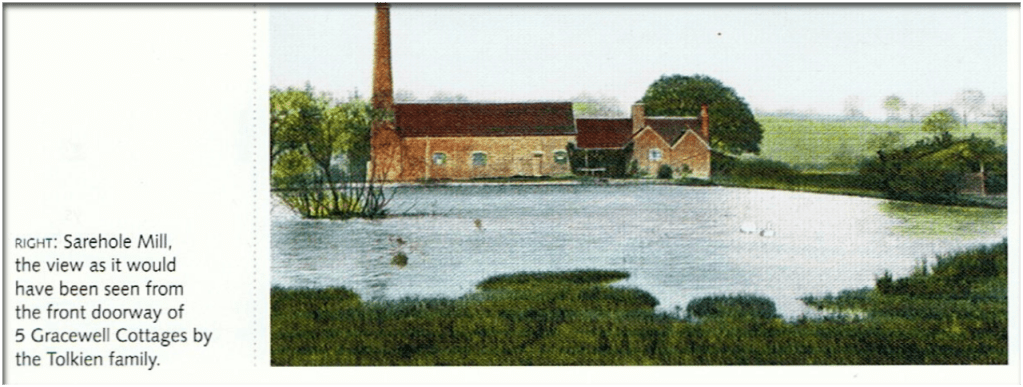
The South African Prelude – Beginnings in Bloemfontein: Arthur Reuel Tolkien and Mabel Suffield (pictured above in the family group), both from Birmingham, were married in Cape Town Cathedral on 16th April 1891, after which came an exhausting railway journey of nearly seven hundred miles to the capital of the Orange Free State. Less thanContinue reading “J. R. R. Tolkien & Birmingham, 1896-1916: The Formative Years, Part One (to 1908) – Middle English”
‘Cry God for Queen Bess, England and St Cuthbert….!’ How did George become England’s Patron Saint?

Follow your spirit; and upon this charge Cry God for Harry, England and St George! William Shakespeare, Henry V, Part One. England hasn’t really got a national anthem….The Irish, the Scots and the Welsh all have anthems, the Americans have the cheek to sing ‘My Country ’tis of thee’ to the tune of ‘God Save the Queen‘, but what do theContinue reading “‘Cry God for Queen Bess, England and St Cuthbert….!’ How did George become England’s Patron Saint? “
The Mysterious Magyar Origins of Margaret of Wessex, Hungary and Scotland
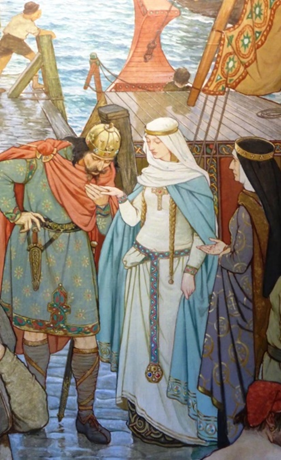
As all Scots know, 30th November is St Andrew’s Day, their ‘patron saint’. However, few people in Scotland, England and Hungary will know that the 17th November is the day when the Church commemorates the saint who links all three countries. Margaret was born in Hungary, the daughter of the exiled rightful heir to theContinue reading “The Mysterious Magyar Origins of Margaret of Wessex, Hungary and Scotland”
The End of Saxon England? Revisiting the Norman Conquest, 1035-1135: Chapter II – Castles, Abbeys, Cathedrals & Churches.
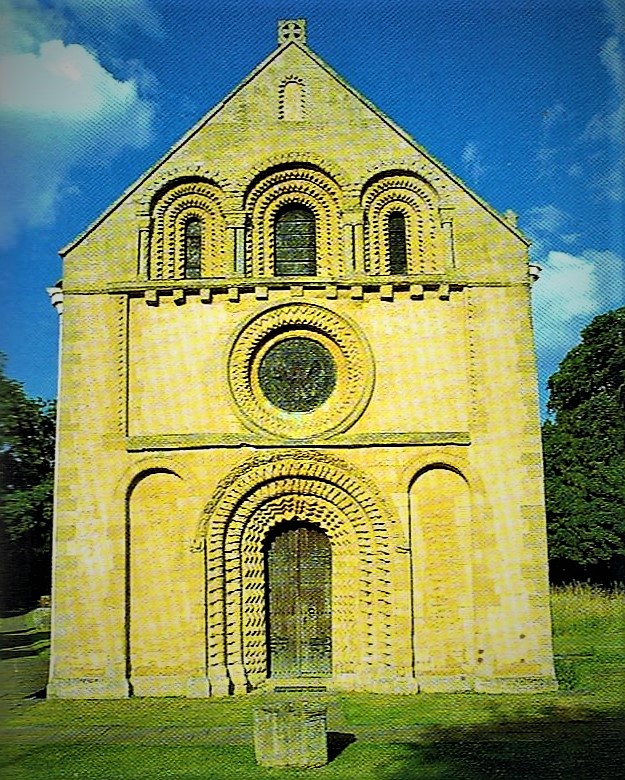
Knights, Barons & Castles: The knights who served William ‘the Conqueror’ were armed in many respects as their English opponents, wearing mail hauberks and conical helmets, and carrying kite-shaped shields, lances, swords and maces. If battlefield tactics were dominated by the mounted knight, the strategies of war were increasingly subject to the powerful influence ofContinue reading “The End of Saxon England? Revisiting the Norman Conquest, 1035-1135: Chapter II – Castles, Abbeys, Cathedrals & Churches.”
The End of Saxon England? Revisiting the Norman Conquest: Chapter I – The Confessor, the Conqueror & the House of Wessex, 1035-1135
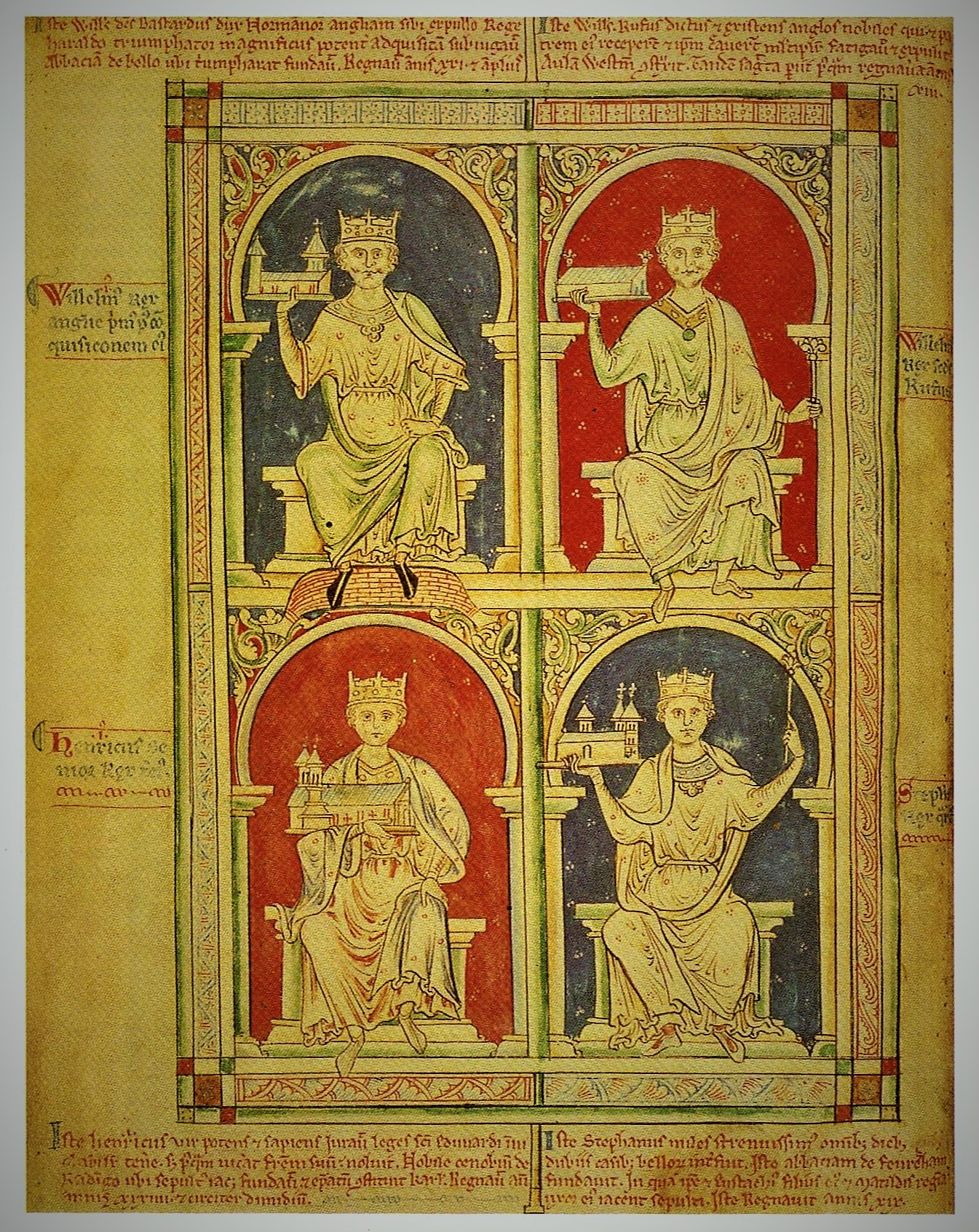
The Tragedy of Harold Godwinson: The story of the Norman ‘takeover’ of England has been told very often, most vividly in one of the earliest accounts in the form of Queen Matilda’s tapestry, still kept in Bayeux, which gives it the name it is better known by. French legend maintained the tapestry was commissioned andContinue reading “The End of Saxon England? Revisiting the Norman Conquest: Chapter I – The Confessor, the Conqueror & the House of Wessex, 1035-1135”
Unifying the Kingdoms of Britain: The Kings of Wessex & The Birth of England, 871-1031.
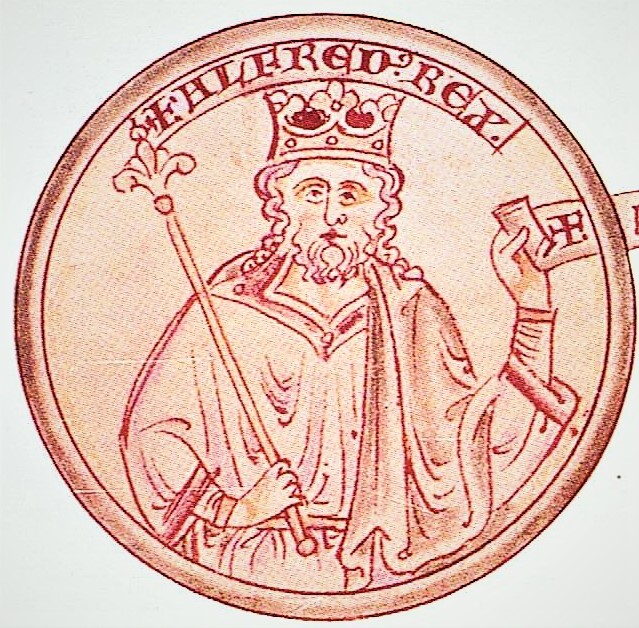
Chaos in Christendom: From the late ninth century until the mid-eleventh century in Europe, internal and external problems steadily weakened western Christendom. The Carolingian Empire had fragmented; no major military power existed in the West. The continued attacks of Muslims from the south, a new wave of attackers from central Asia, the Magyars (Hungarians) andContinue reading “Unifying the Kingdoms of Britain: The Kings of Wessex & The Birth of England, 871-1031.”
 Andrew James