

Episode Six: End of Dynasty – Exit the Cerdicingas, Enter the Angevins: Scene Sixty-four; October 1173 – The Battle of Fornham, Bury St Edmunds and the Revolt of 1173-74: By the early 1170s, the king had already decided that, after his death, his dominions should be partitioned between his three eldest sons. Young Henry wasContinue reading “The Bloodied Sword, the Precious Pearl and the Black Cross; Chronicles of the Royal House of Wessex – VI”
Tag Archives: Székesfehérvár
The Bloodied Sword, the Precious Pearl and the Black Cross; Chronicles of the Royal House of Wessex – V
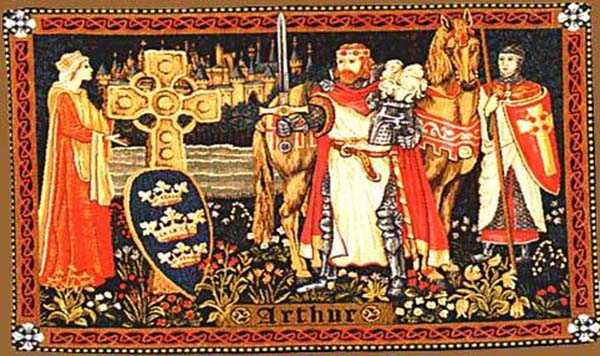
Episode Five – The King’s Peace and Justice; 1153-93: When Henry Plantagenet returned to England again at the start of 1153, bringing only a small army of mercenaries financed with borrowed money, he relied on the forces of Hugh Bigod and Ranulf of Chester. The churchmen who met him on the Hampshire coast also emphasisedContinue reading “The Bloodied Sword, the Precious Pearl and the Black Cross; Chronicles of the Royal House of Wessex – V”
The Bloodied Sword, the Precious Pearl and the Black Cross; Chronicles of the Royal House of Wessex – I.

Episode One Above: Hungarians at Kyív – a painting by Pál Vágó (1853-1928). It is extremely difficult to maintain, based on archaeological relics that have been unearthed in territories now forming part of Ukraine, that these objects are unmistakably the relics of the ancient Hungarians, or Magyars. It is probable, though, that as a resultContinue reading “The Bloodied Sword, the Precious Pearl and the Black Cross; Chronicles of the Royal House of Wessex – I.”
The Raven & the White Rose – The Plantagenet Pretender in Buda: Richard de la Pole.
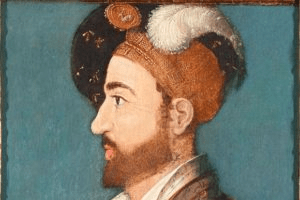
The Growth of the Great Central European Empire: Sigismund of Bohemia, pictured above, became Holy Roman Emperor in 1433, an event which marked the establishment of the great Central European Empire under Habsburg rule, through his daughter’s marriage, until 1918. As Emperor, he acted as an intermediary between Henry V of England and the KingContinue reading “The Raven & the White Rose – The Plantagenet Pretender in Buda: Richard de la Pole.”
Who are the Ukrainians? Mythology & History, Part I, 862-1796: Kyivan Rus & Cossacks; Great Powers & Empires.
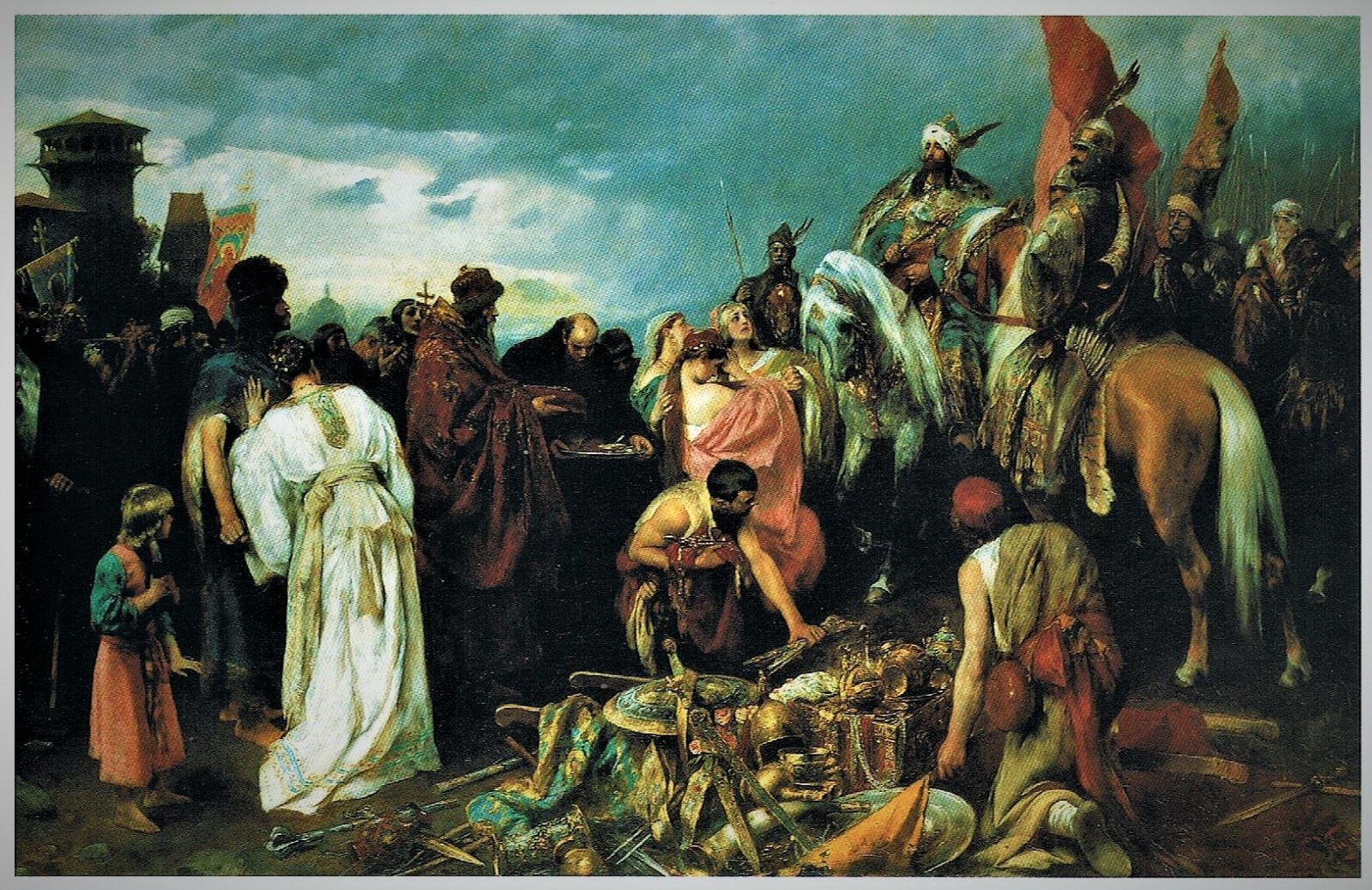
Fake History & The Russian World-View: “As you know, this conflict did not start today. It is my firm belief that its initiators are not the peoples of Russia and Ukraine, who came from one Kievan baptismal font, are united by common faith, common saints and prayers, and share common historical fate.“ In a 10Continue reading “Who are the Ukrainians? Mythology & History, Part I, 862-1796: Kyivan Rus & Cossacks; Great Powers & Empires.”
 Andrew James