

Episode Six: End of Dynasty – Exit the Cerdicingas, Enter the Angevins: Scene Sixty-four; October 1173 – The Battle of Fornham, Bury St Edmunds and the Revolt of 1173-74: By the early 1170s, the king had already decided that, after his death, his dominions should be partitioned between his three eldest sons. Young Henry wasContinue reading “The Bloodied Sword, the Precious Pearl and the Black Cross; Chronicles of the Royal House of Wessex – VI”
Tag Archives: Benedictines
The Bloodied Sword, the Precious Pearl and the Black Cross; Chronicles of the Royal House of Wessex – III.
Episode Three – Rebels and Outlaws Scene Thirty; 1070-71 – The Legendary Outlaws of the Fens: Many of the stories of Hereward the Outlaw that follow these events were written down several generations after his own day, by which time they had already followed a legendary turn of phrase. But the twelfth-century Gesta Herewardi containsContinue reading “The Bloodied Sword, the Precious Pearl and the Black Cross; Chronicles of the Royal House of Wessex – III.”
The Bloodied Sword, the Precious Pearl and the Black Cross; Chronicles of the Royal House of Wessex – I.

Episode One Above: Hungarians at Kyív – a painting by Pál Vágó (1853-1928). It is extremely difficult to maintain, based on archaeological relics that have been unearthed in territories now forming part of Ukraine, that these objects are unmistakably the relics of the ancient Hungarians, or Magyars. It is probable, though, that as a resultContinue reading “The Bloodied Sword, the Precious Pearl and the Black Cross; Chronicles of the Royal House of Wessex – I.”
The Mysterious Magyar Origins of Margaret of Wessex, Hungary and Scotland
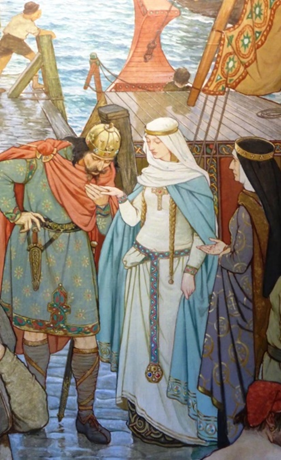
As all Scots know, 30th November is St Andrew’s Day, their ‘patron saint’. However, few people in Scotland, England and Hungary will know that the 17th November is the day when the Church commemorates the saint who links all three countries. Margaret was born in Hungary, the daughter of the exiled rightful heir to theContinue reading “The Mysterious Magyar Origins of Margaret of Wessex, Hungary and Scotland”
The End of Saxon England? Revisiting the Norman Conquest, 1035-1135: Chapter II – Castles, Abbeys, Cathedrals & Churches.
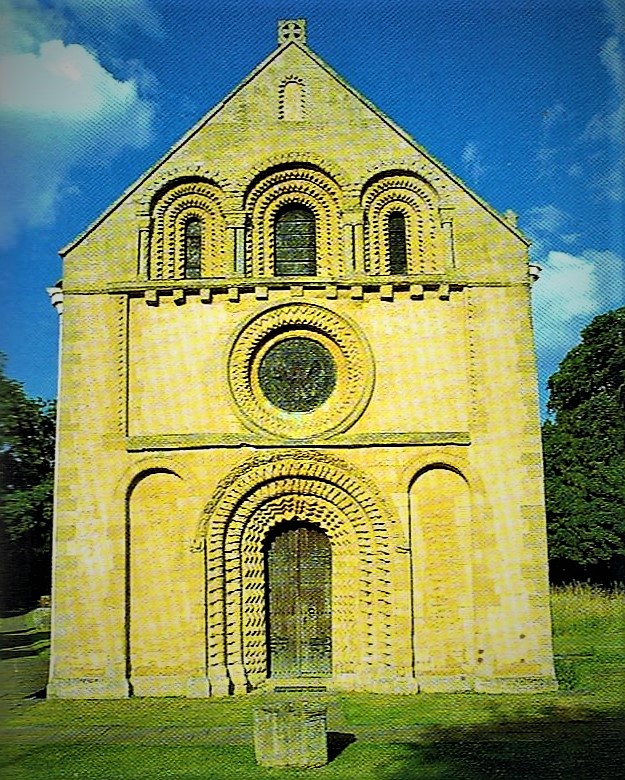
Knights, Barons & Castles: The knights who served William ‘the Conqueror’ were armed in many respects as their English opponents, wearing mail hauberks and conical helmets, and carrying kite-shaped shields, lances, swords and maces. If battlefield tactics were dominated by the mounted knight, the strategies of war were increasingly subject to the powerful influence ofContinue reading “The End of Saxon England? Revisiting the Norman Conquest, 1035-1135: Chapter II – Castles, Abbeys, Cathedrals & Churches.”
 Andrew James