

‘The Farthest Limits of the West’: I will always remember my first visit to Bangor, North Wales (originally the furthest western outpost of the Roman Empire), to attend an interview for a university place in Biblical Studies and History. It was a long journey by train from Birmingham, where I grew up as the sonContinue reading “The Radical Messiah and The Politics of Love in the Bible: Part 2 – Christianity, Church and Society over two Millennia.”
Category Archives: Parliament
The Civil Wars and Local Communities in England, 1642-47: Documents, Debates and Case Studies from Somerset, Gloucestershire, Herefordshire and Wiltshire.
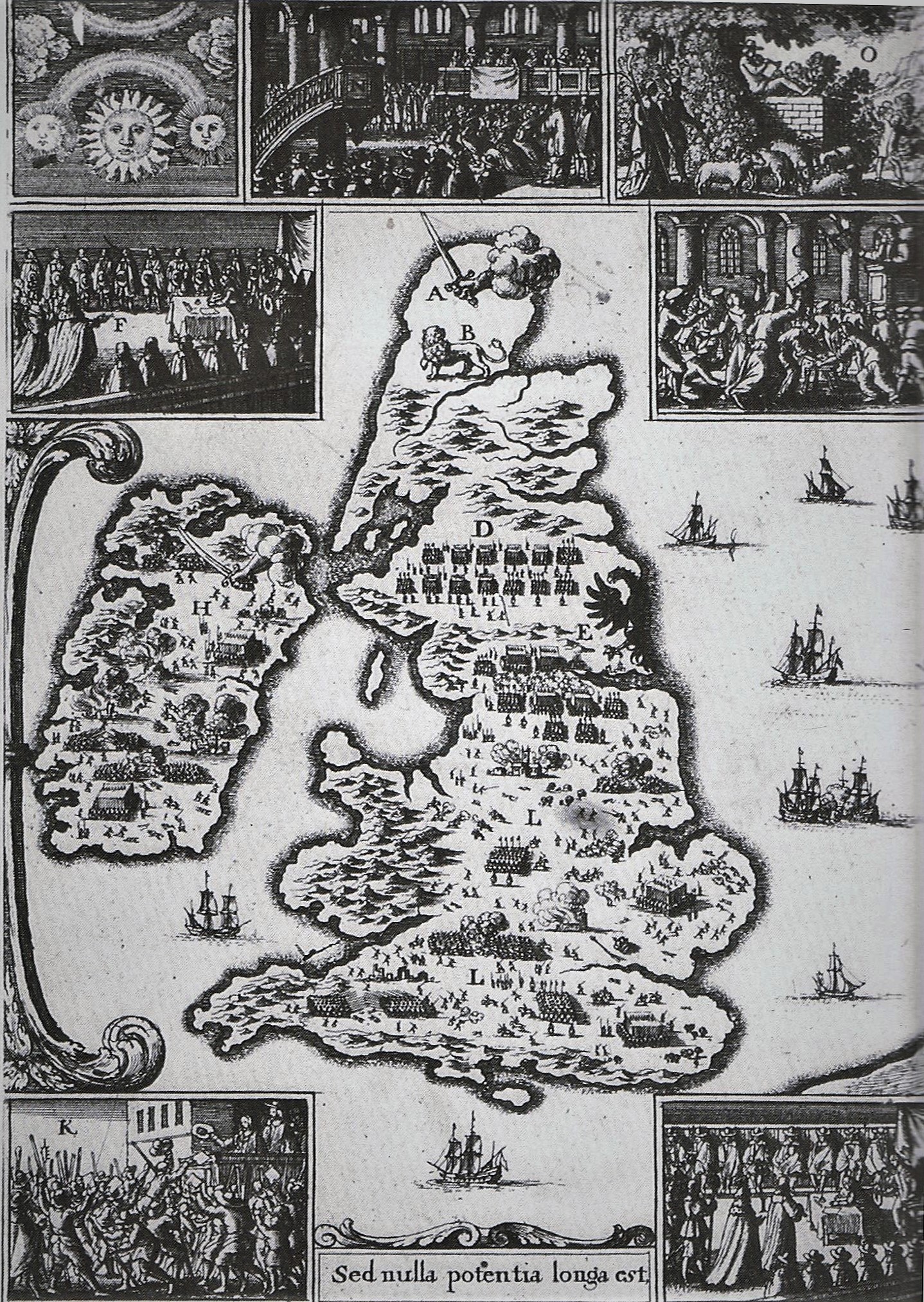
National, Regional & Local Narratives: Local history has provided one of the most fruitful areas of study for historians researching the English Civil Wars in recent decades. Whereas earlier historians had tended to concentrate on presenting a chronological narrative of military events in the locality, more recent authors, stimulated by the wealth of source materialContinue reading “The Civil Wars and Local Communities in England, 1642-47: Documents, Debates and Case Studies from Somerset, Gloucestershire, Herefordshire and Wiltshire.”
The Three Kingdoms and The Third Civil War, Part Two – Scotland, 1650-52: Dunbar & Worcester

The Fate of the Earl of Montrose, April-May 1650: At the beginning of the new decade, with Oliver Cromwell wintering in Ireland, together with a significant portion of the parliamentarian army, from the middle of January onwards the Rump became ever more fearful that the Scots were about to take up arms once more forContinue reading “The Three Kingdoms and The Third Civil War, Part Two – Scotland, 1650-52: Dunbar & Worcester”
The Three Kingdoms & The Third Civil War: Campaigns in Ireland; Drogheda & Wexford to Tipperary, 1649-1652.
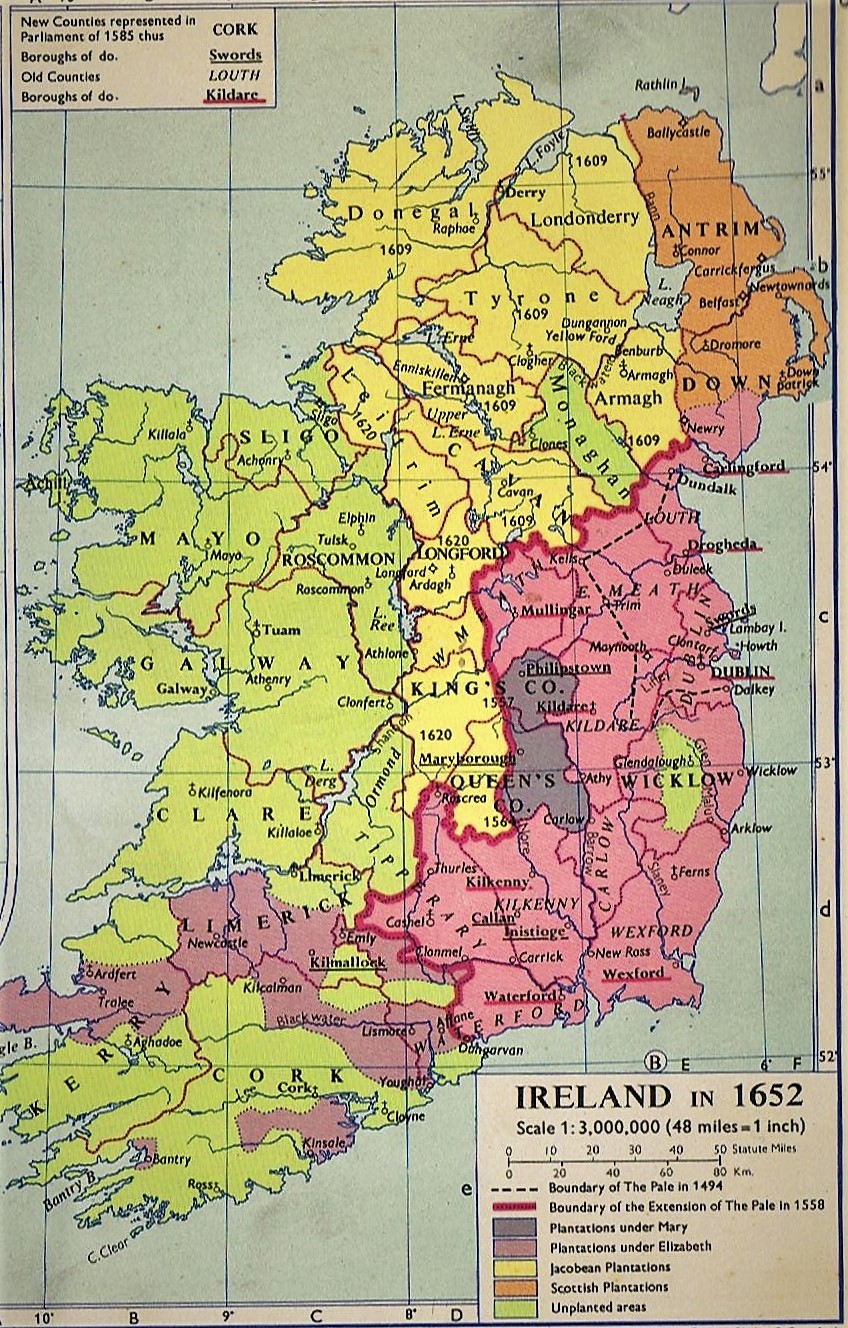
The Stuart Court at the Hague, 1649-51: The Trial and Execution of Charles I may have shocked the whole of Europe at first, but Edward Hyde, First Earl of Clarendon, wrote after the execution that… The kings and princes of Christendom had their eyes fixed upon this woeful bloody spectacle; how they looked upon thatContinue reading “The Three Kingdoms & The Third Civil War: Campaigns in Ireland; Drogheda & Wexford to Tipperary, 1649-1652.”
Regicides, Rebels & Revolutionaries: November 1648 – October 1649; from Pride’s Purge to the Leveller Mutinies in England.

Ireton’s ‘Remonstrance’ – St Albans & the London Levellers: When the Second Civil War ended, the frustrations and bitterness which had steadily been mounting against the king’s duplicity finally reached fever pitch. Many petitions were dispatched to London from various parts of the country demanding ‘impartial justice’ for all those involved in causing the recentContinue reading “Regicides, Rebels & Revolutionaries: November 1648 – October 1649; from Pride’s Purge to the Leveller Mutinies in England.”
The Putney Debates, the Second Civil War & the Newport Treaty: Oct 1647 – Oct 1648; Levellers, Engagers & Insurgents.
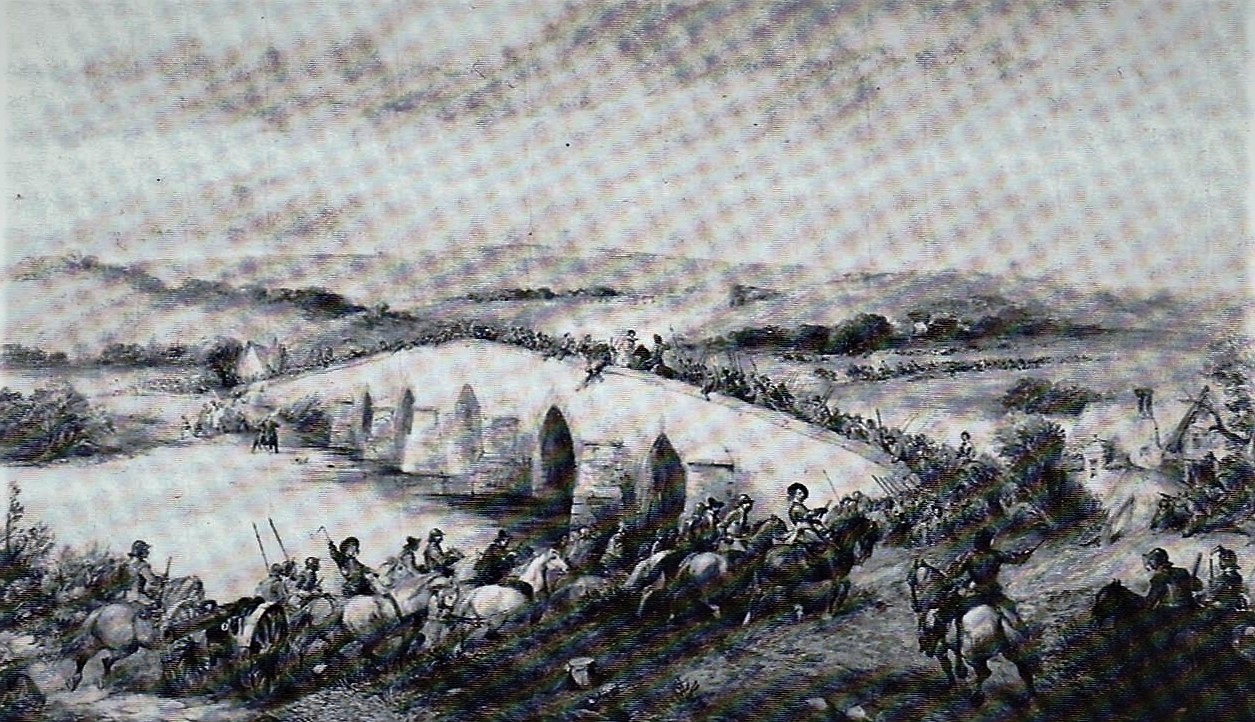
An ‘Outbreak of Democracy’?: In his 1961 work on The Levellers and the English Revolution, H N Brailsford wrote that: … there has been nothing like this spontaneous outbreak of democracy in any English or continental army before this year of 1647, nor was there anything like it thereafter till the Workers’ and Soldiers’ CouncilsContinue reading “The Putney Debates, the Second Civil War & the Newport Treaty: Oct 1647 – Oct 1648; Levellers, Engagers & Insurgents.”
Between Civil Wars: The Search for a Settlement, 1646-47 – Losing the Peace.

The Continuing Conflict across the British Isles: The king’s surrender at Newark in the early summer of 1646, while effectively ending the first civil war, did little to clarify matters in Wales or Ireland. Harlech did not surrender until March 1647 and the royalist governor of Dublin surrendered the city to parliament in July. TheContinue reading “Between Civil Wars: The Search for a Settlement, 1646-47 – Losing the Peace.”
375 Years Ago – The End of the First Civil War, October 1645 – March 1647: Sieges, Plagues & the Aftermath.

The War in the West of England – Winchester to Exeter: After bombarding and taking Winchester at the beginning of October 1645 Cromwell’s troops moved on to lay siege to Basing House, a royalist stronghold and garrison in the north of Hampshire, a centre of heroic resistance. It had already proved a major obstacle toContinue reading “375 Years Ago – The End of the First Civil War, October 1645 – March 1647: Sieges, Plagues & the Aftermath.”
Poverty, Progress & the Nonconformist Conscience in Britain, 1844-1914: London, Manchester & Birmingham.
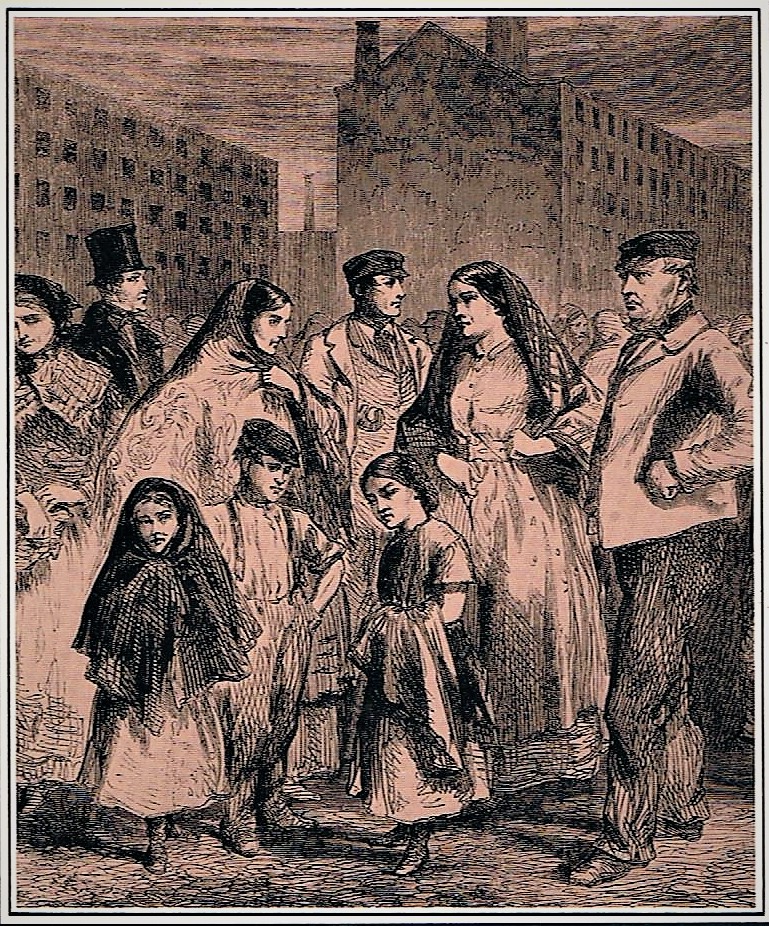
The ‘Manchester School’ and the Industrial City: By the 1840s, Manchester had become the symbol of a new form of social organisation, a ‘modern Athens’ to Benjamin Disraeli. But, in a sense, the City deserved the rough treatment it subsequently got from two notable foreign visitors, Alexis de Tocqueville and Friedrich Engels. In 1851, JohnContinue reading “Poverty, Progress & the Nonconformist Conscience in Britain, 1844-1914: London, Manchester & Birmingham.”
Imperial Islands, Caribbean Englishes & Atlantic Economies, circa 1630-1980

‘Little England’ & ‘Pidgin’ English: Some interpretations of Britain’s imperial past have charged the ‘White British’ with using the Caribbean islands in general and Barbados in particular as a ‘dumping ground’ for Black slaves. In fact, the first settlers there were White Catholics, according to the Jesuit priest who met them in 1634, both IrishContinue reading “Imperial Islands, Caribbean Englishes & Atlantic Economies, circa 1630-1980”
 Andrew James