

The Deep Despair of the Duke & Duchess: The Duke of York, Albert, and his family had been in Scotland during the days preceding the Abdication Crisis. When the British press broke their self-imposed silence about King Edward’s affair with Mrs Simpson on 3rd December 1936, the Yorks were on their way back to LondonContinue reading “Majesty & Grace IV: The Lives & Times of the Windsors – The Reign of ‘Albert the Good’ – George VI, 1936-39.”
Category Archives: North America
Majesty & Grace I – The Lives & Times of the Windsors, 1901-1921: The Reigns of Edward VII & George V.

Picture: The Battle of Jutland in the North Sea in 1916. Neither side won the battle, but the German fleet was forced to shelter in harbour until 1918. George V’s second son, Albert George (Bertie), Duke of York from 1920, future George VI and the father of the late Queen Elizabeth II, was an officer on board HMS Collingwood.
An Epilogue for Beren & Lúthien: Tolkien’s Last Years, 1966-1973 & The Work of Christopher Tolkien (-2017).
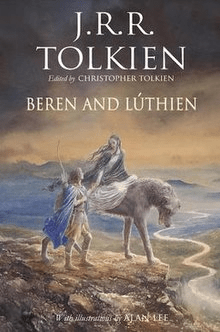
The Road Goes Ever on – Headington to Bournemouth: Although life retirement sometimes seemed ‘grey and grim’ to Tolkien, it also had many elements that suited him. For one thing, he and Edith, at last, had enough money. However, the tax authorities took a large proportion of his earnings, and on one occasion, Tolkien wroteContinue reading “An Epilogue for Beren & Lúthien: Tolkien’s Last Years, 1966-1973 & The Work of Christopher Tolkien (-2017).”
Faith, Fantasy & Fairy Tales – Tolkien, ‘Jack’ Lewis & ‘The Inklings’, 1926-66: Part Two – ‘Shadowy Abstractions’
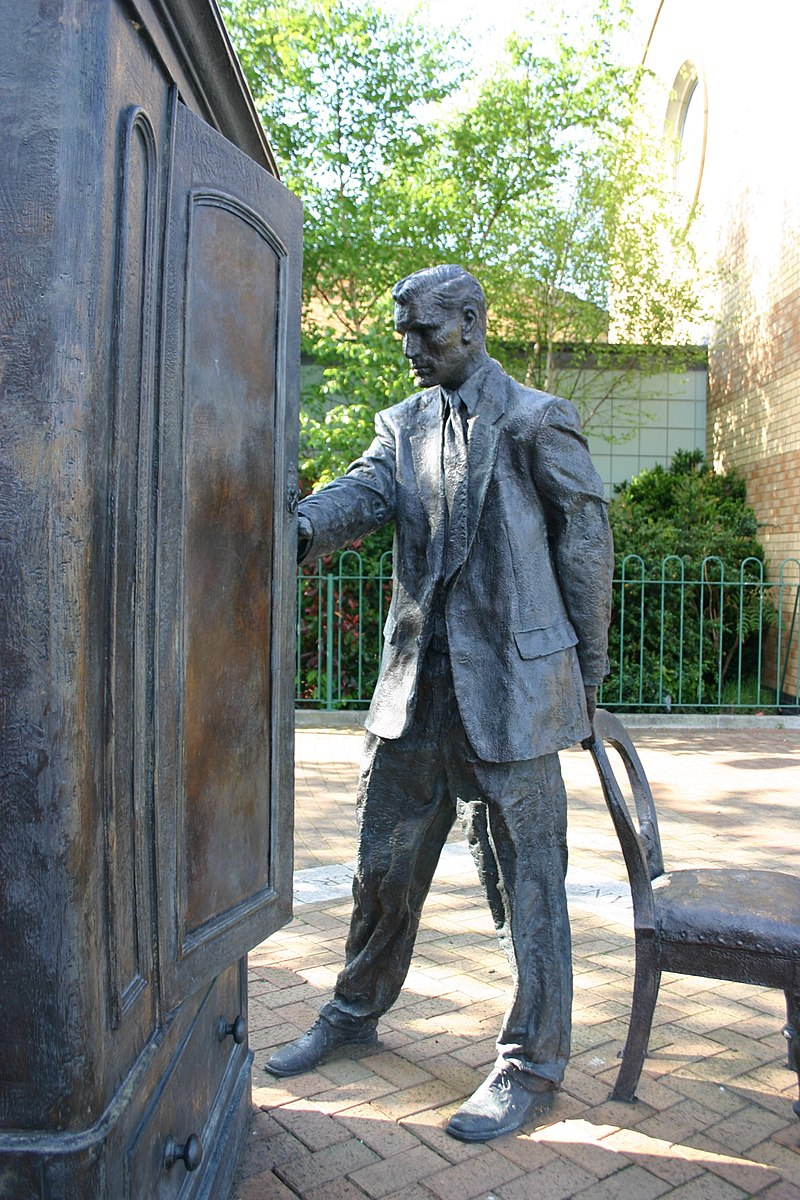
There was a good stretch of time between Jack Lewis’s conversion on the way to Whipsnade and his writing of the Tales of Narnia. Throughout this time, while Tolkien was writing his Hobbit stories, Lewis was musing on the physical similarities that men and beasts have in common. This is why he felt that Kenneth Grahame, in The Wind in the Willows, made exactly the right choice in giving his principal character the form of a toad
What is the ‘Juneteenth’ Celebration? – A Briefing for Students & Teachers of Black (African-American) History.

Ten Key Questions: Why was Juneteenth celebrated? Where did most slaves work before the Civil War? Between 1865 and 1954, how were the lives of black people in the South different from those in the North? Why was Dr King so important in the fight for civil rights? How was Martin Luther King killed inContinue reading “What is the ‘Juneteenth’ Celebration? – A Briefing for Students & Teachers of Black (African-American) History.”
Who are the Ukrainians? Mythology & History, Part II: 1801-2001 – From Napoleon’s Empire to end of Empires?
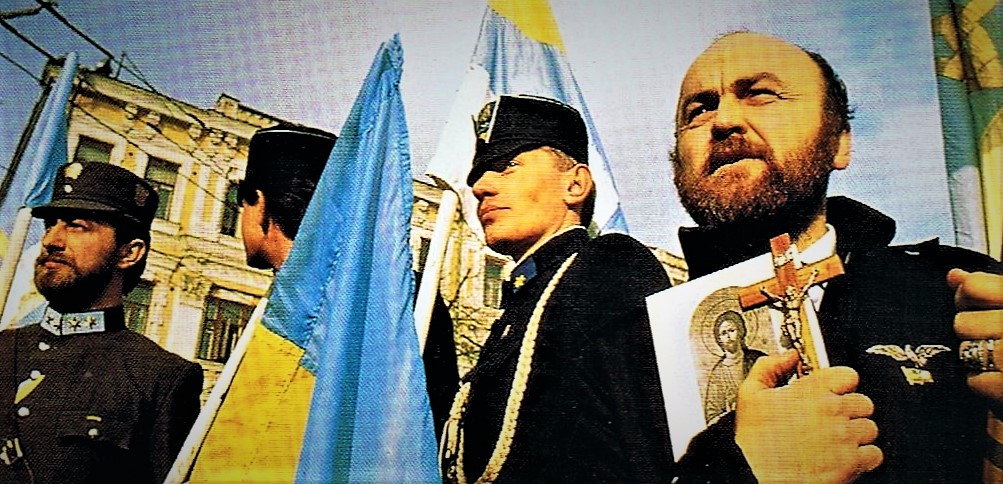
Putin’s Perverse & Very Unorthodox History: In a letter of 10th March, H.H. Patriarch Kirill ‘of Moscow and all Russia’ replied to a letter sent on 2nd March by World Council of Churches (WCC) acting general secretary Rev. Prof. Dr Ioan Sauca asking the Patriarch of the Russian Orthodox Church to mediate so that theContinue reading “Who are the Ukrainians? Mythology & History, Part II: 1801-2001 – From Napoleon’s Empire to end of Empires?”
Scenes from Baptist History, 1814-1914: Missionaries, Mechanics & Manufacturers.

Includes a scene from Regent Street Baptist Church, Smethwick, Birmingham, from November 1897, ‘The Church in Meeting Assembled’ by Rev. A. J. Chandler, Minister of Bearwood Baptist Church, Birmingham, 1965-79. Revival, ‘Respectability’ & Reform in Britain, 1814-1859: In 1814, there was an evangelistic revival at Redruth in Cornwall which continued for nine days. An eye-witnessContinue reading “Scenes from Baptist History, 1814-1914: Missionaries, Mechanics & Manufacturers.”
The Enlightenment & Eighteenth-Century Rationalist Critics of the Bible: A Supplementary Summary.
For Calvinists at the time, as for many other conservative theologians since Spinoza, his role has been seen as purely destructive, as that of one who undermined the authority and inspiration of the biblical text and laid the foundation for Enlightenment scepticism about the Bible – the scepticism of the French philosophers, Voltaire (1694-1778) RousseauContinue reading “The Enlightenment & Eighteenth-Century Rationalist Critics of the Bible: A Supplementary Summary.”
Scenes from Baptist History: Persecution of the Puritans, Evangelical Revival & William Carey, 1662-1812.
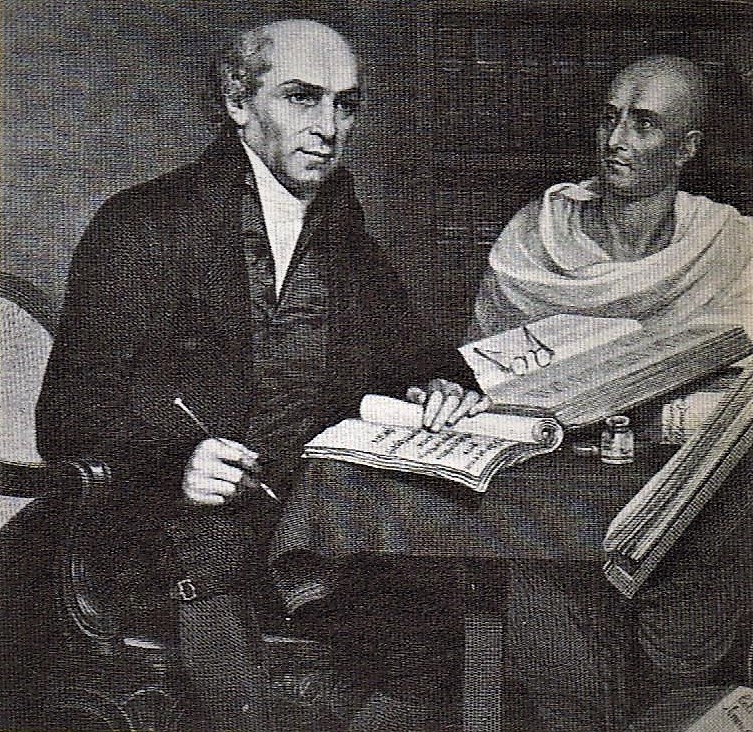
Persecution of All ‘Nonconformists’, 1662-87: It was not until 1687 that the dissenting or ‘nonconformist’ churches felt able to look back upon ye Times of our late Troubles since the Act of Uniformity in 1662 had taken away the relative toleration they had experienced in the Interregnum. The Presbyterian minister Richard Baxter (1615-91) had takenContinue reading “Scenes from Baptist History: Persecution of the Puritans, Evangelical Revival & William Carey, 1662-1812.”
Three Scenes from Baptist History – The First Fifty Years, 1612-1662: The Puritan Revolution & The Civil Wars.

Two more scenes from Rev. Arthur J Chandler’s unpublished plays on Baptist History, featuring Thomas Helwys and Col. John Hutchinson, plus a scene from David Starsmeare’s play, ‘Diggers: The Story of a Commune’, featuring Gerrard Winstanley. Background – The First English Puritans & Exile in the Netherlands: The Elizabethan puritans wanted to reform the churchContinue reading “Three Scenes from Baptist History – The First Fifty Years, 1612-1662: The Puritan Revolution & The Civil Wars.”
 Andrew James