
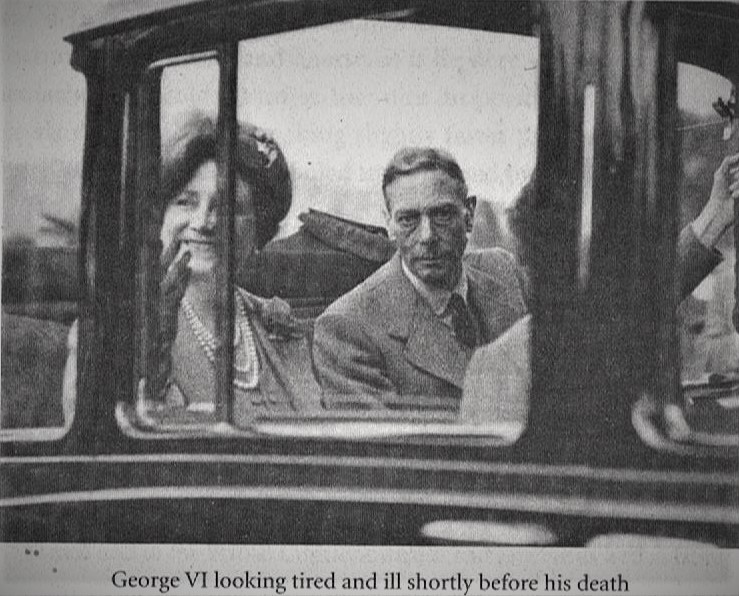
Above: British propaganda poster, ‘On to Japan!’, 1945 (The Bridgeman Art Library). Fighting Back in Malaya & Singapore: The State Opening of Parliament, which took place on 15th August 1945, saw a return to the pomp of pre-war years, with thousands of people lining the streets of London as the King and Queen travelled toContinue reading “Majesty & Grace VI: The Life & Times of the Windsors, 1945-1952; George VI & The People’s Peace.”
Category Archives: industrialisation
The Making of an English Mythology; from Reality to Fantasy and back again, 1917-1954: Tolkien’s Creative Years.

Following his recovery from the Somme and ‘trench fever’ on his return from France in 1916, Tolkien was determined to create an entire mythology for England. He had hinted at this during his undergraduate days at Oxford when he studied and wrote of the Finnish ‘Kalevala’:
“I would that we had more of it left – something of the sort that belonged to the English.”
This idea now grew during his recuperation until it reached ‘epic’ proportions. This is how Tolkien expressed it when recollecting many years later:
“Do not laugh! But once upon a time (my crest has long since fallen), I had a mind to make a body of more or less connected legend, ranging from the large to the cosmogonic to the level of romantic fairy-story – the larger founded on the lesser in contact with the earth, the lesser drawing splendour from the vast backcloths – which I could dedicate simply: to England, to my country. “
J. R. R. Tolkien & Birmingham, 1896-1916: The Formative Years, Part One (to 1908) – Middle English
The South African Prelude – Beginnings in Bloemfontein: Arthur Reuel Tolkien and Mabel Suffield (pictured above in the family group), both from Birmingham, were married in Cape Town Cathedral on 16th April 1891, after which came an exhausting railway journey of nearly seven hundred miles to the capital of the Orange Free State. Less thanContinue reading “J. R. R. Tolkien & Birmingham, 1896-1916: The Formative Years, Part One (to 1908) – Middle English”
Tolkien’s Shire: From Middle England to Middle-earth – People, Places & Past Times.
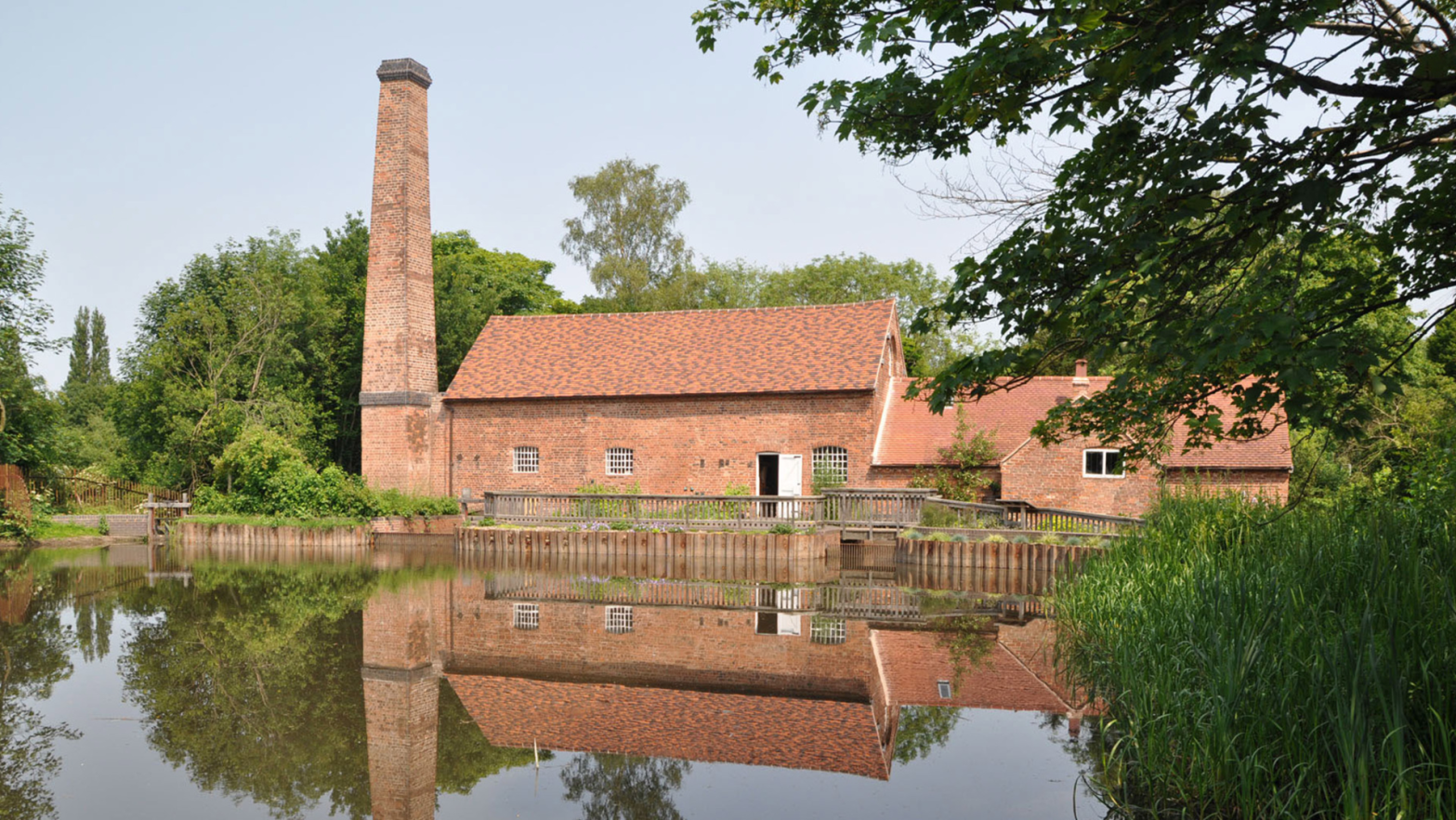
Sarehole as Hobbiton: J.R.R. Tolkien lived near Sarehole Mill as a child in what was then a Worcestershire village and is now part of the Hall Green district of Birmingham. Together with the neighbouring Moseley Bog, the Sarehole area inspired the Tolkien stories of Middle-earth. The Tolkien Trail – Late Victorian & Edwardian Birmingham. Birmingham’sContinue reading “Tolkien’s Shire: From Middle England to Middle-earth – People, Places & Past Times.”
Who were the Huguenots? Currents of Cultural & Linguistic Change in France & Early Modern Europe.

Pictured above are French Protestants at Lyons Temple service, which was converted from an ordinary house. The hatted preacher is timed by an hourglass, and the two sexes are seated mainly in separate parts of the temple. Introduction – A Retrospective on Genocide & Deculturation: The word ‘genocide’ is essentially a term relating to eventsContinue reading “Who were the Huguenots? Currents of Cultural & Linguistic Change in France & Early Modern Europe.”
The Book of Exodus and Hebrew Law & Wisdom in its Ancient Eastern Context

The Covenant and the Torah: Closely associated with the story of the exodus in the Old Testament is that of how the Israelites journeyed to a mountain where Yahweh ratified a covenant between himself and his people. There is still a great deal of uncertainty about this mountain of Israel’s destiny. Its very name isContinue reading “The Book of Exodus and Hebrew Law & Wisdom in its Ancient Eastern Context”
‘Cry God for Queen Bess, England and St Cuthbert….!’ How did George become England’s Patron Saint?

Follow your spirit; and upon this charge Cry God for Harry, England and St George! William Shakespeare, Henry V, Part One. England hasn’t really got a national anthem….The Irish, the Scots and the Welsh all have anthems, the Americans have the cheek to sing ‘My Country ’tis of thee’ to the tune of ‘God Save the Queen‘, but what do theContinue reading “‘Cry God for Queen Bess, England and St Cuthbert….!’ How did George become England’s Patron Saint? “
Who are the Ukrainians? Mythology & History, Part II: 1801-2001 – From Napoleon’s Empire to end of Empires?
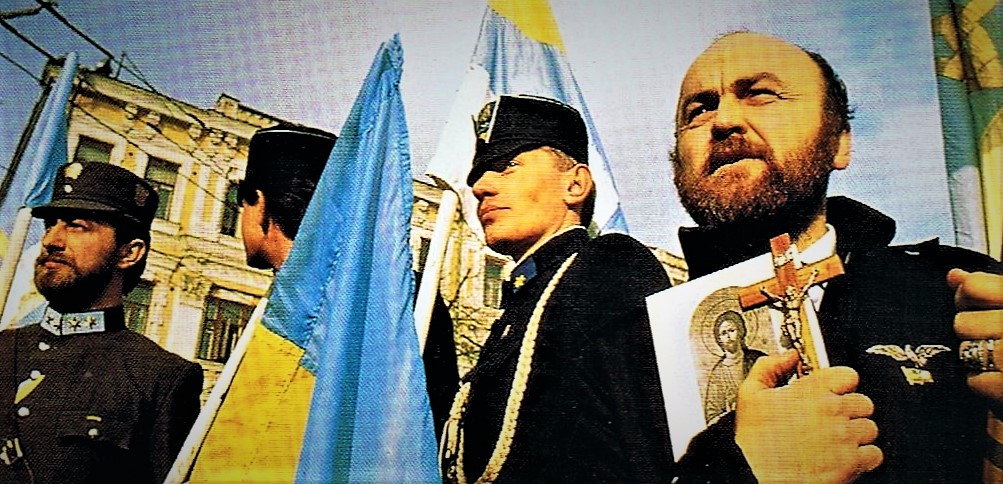
Putin’s Perverse & Very Unorthodox History: In a letter of 10th March, H.H. Patriarch Kirill ‘of Moscow and all Russia’ replied to a letter sent on 2nd March by World Council of Churches (WCC) acting general secretary Rev. Prof. Dr Ioan Sauca asking the Patriarch of the Russian Orthodox Church to mediate so that theContinue reading “Who are the Ukrainians? Mythology & History, Part II: 1801-2001 – From Napoleon’s Empire to end of Empires?”
Who are the Ukrainians? Mythology & History, Part I, 862-1796: Kyivan Rus & Cossacks; Great Powers & Empires.
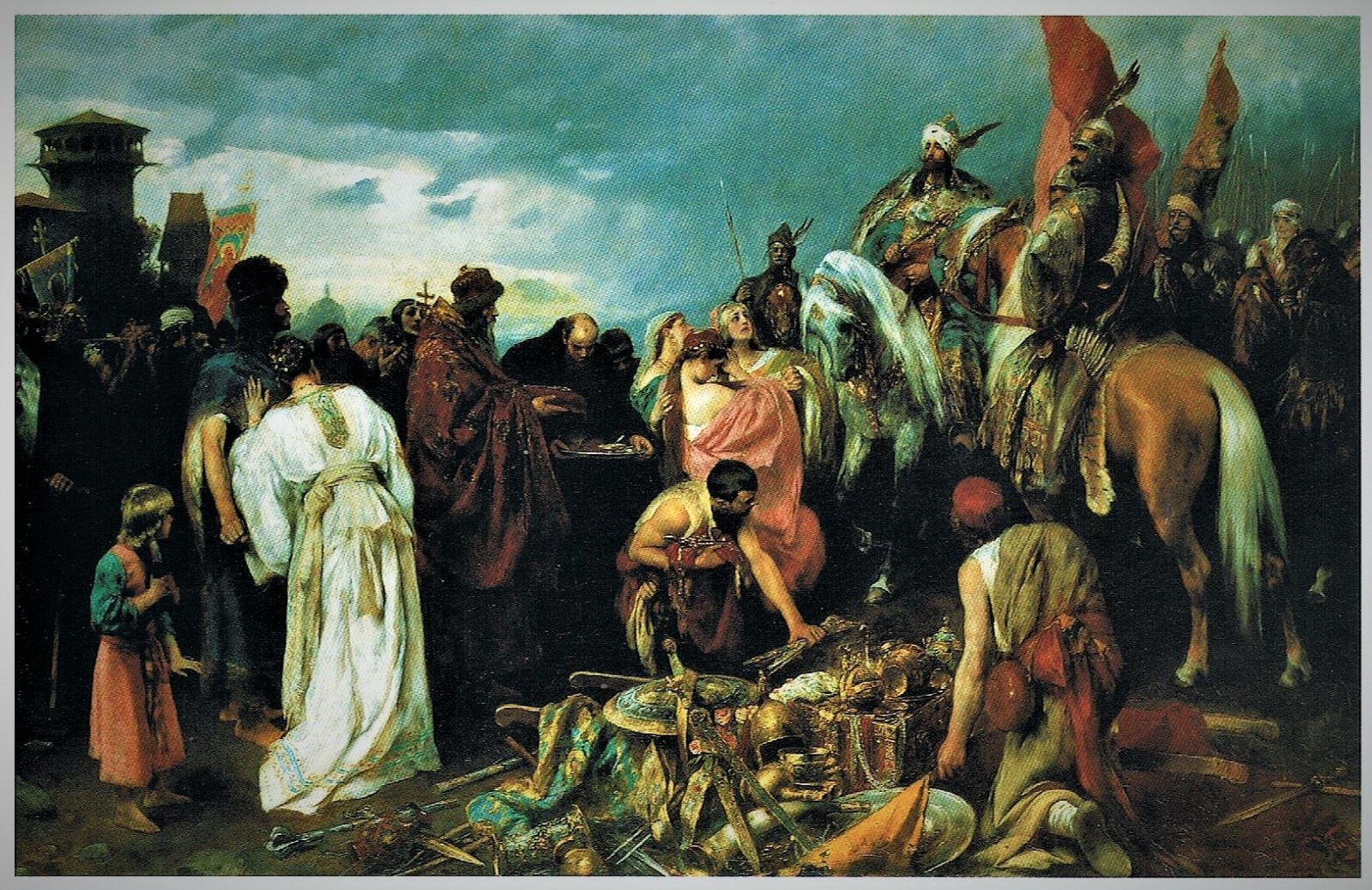
Fake History & The Russian World-View: “As you know, this conflict did not start today. It is my firm belief that its initiators are not the peoples of Russia and Ukraine, who came from one Kievan baptismal font, are united by common faith, common saints and prayers, and share common historical fate.“ In a 10Continue reading “Who are the Ukrainians? Mythology & History, Part I, 862-1796: Kyivan Rus & Cossacks; Great Powers & Empires.”
Bible Battles & The ‘Ascent of Man’: Nineteenth-Century Sceptics & Critics – Religion, Philosophy & Science.

Victorian Britain – An Age of Conformity? For many people in the early twenty-first century, the title ‘mid-Victorian Britain’ conjures up an image of church-going, sabbath seriousness, packed pews and the head of the household, invariably the father, questioning his progeny on the points of the morning sermon. The very word ‘Victorian’ has passed intoContinue reading “Bible Battles & The ‘Ascent of Man’: Nineteenth-Century Sceptics & Critics – Religion, Philosophy & Science.”
 Andrew James