
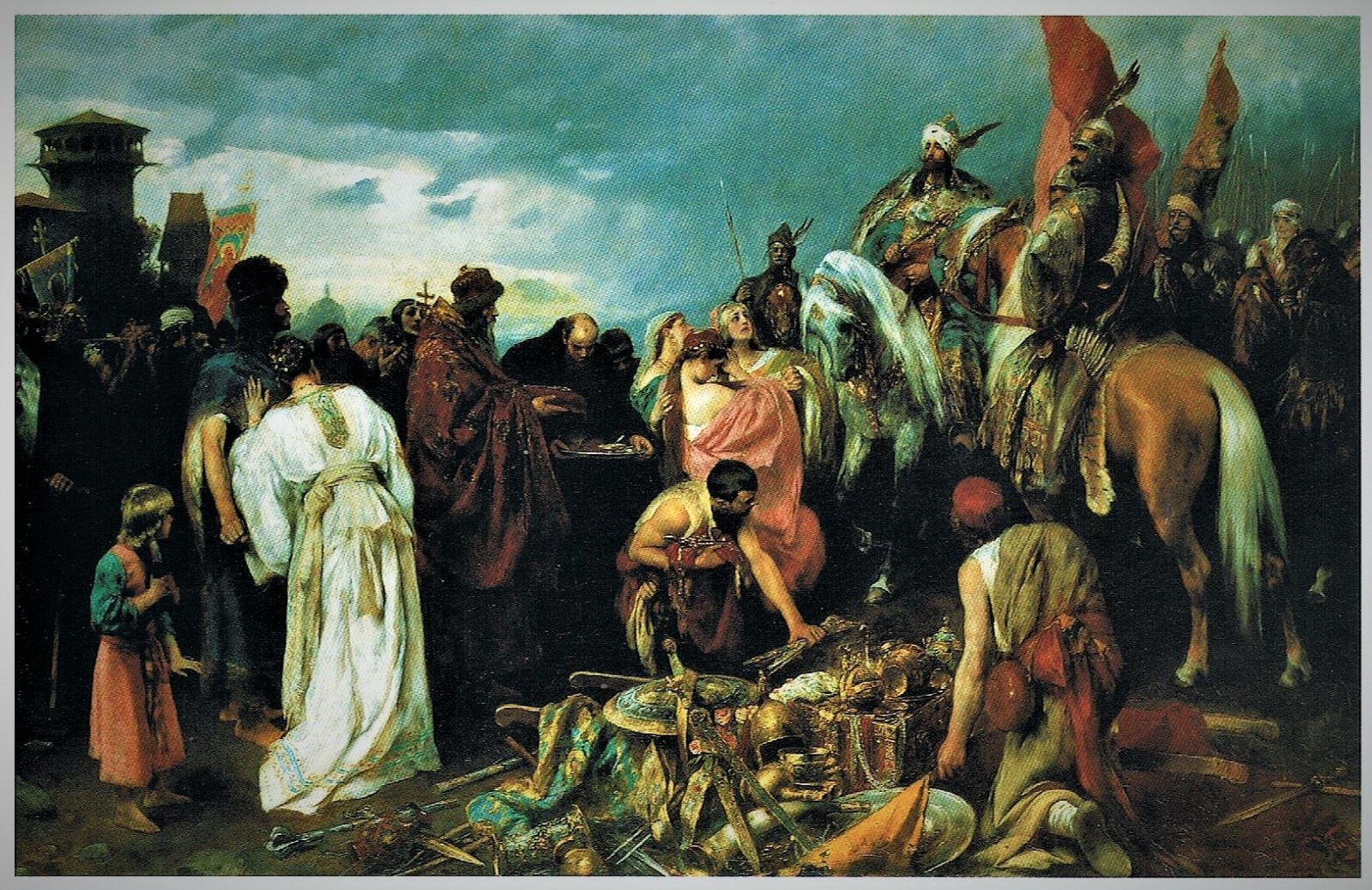
Fake History & The Russian World-View: “As you know, this conflict did not start today. It is my firm belief that its initiators are not the peoples of Russia and Ukraine, who came from one Kievan baptismal font, are united by common faith, common saints and prayers, and share common historical fate.“ In a 10Continue reading “Who are the Ukrainians? Mythology & History, Part I, 862-1796: Kyivan Rus & Cossacks; Great Powers & Empires.”
Category Archives: feudalism
Three Scenes from Baptist History – The First Fifty Years, 1612-1662: The Puritan Revolution & The Civil Wars.

Two more scenes from Rev. Arthur J Chandler’s unpublished plays on Baptist History, featuring Thomas Helwys and Col. John Hutchinson, plus a scene from David Starsmeare’s play, ‘Diggers: The Story of a Commune’, featuring Gerrard Winstanley. Background – The First English Puritans & Exile in the Netherlands: The Elizabethan puritans wanted to reform the churchContinue reading “Three Scenes from Baptist History – The First Fifty Years, 1612-1662: The Puritan Revolution & The Civil Wars.”
Welsh Bards & Hungarian Balladeers: Imagining the Past – Poetry & History.

Wars of Independence: In 1857, the legendary martyrdom of the courtly poets of Wales by Edward I was used by the nineteenth-century Hungarian poet János Arany to serve as a parable of resistance to another Empire after the ‘heroic’ uprising and war of independence of 1848-49 in his native country. Arany’s poem, Walesi bardok (The Bards ofContinue reading “Welsh Bards & Hungarian Balladeers: Imagining the Past – Poetry & History.”
The End of Saxon England? Revisiting the Norman Conquest, 1035-1135: Chapter II – Castles, Abbeys, Cathedrals & Churches.

Knights, Barons & Castles: The knights who served William ‘the Conqueror’ were armed in many respects as their English opponents, wearing mail hauberks and conical helmets, and carrying kite-shaped shields, lances, swords and maces. If battlefield tactics were dominated by the mounted knight, the strategies of war were increasingly subject to the powerful influence ofContinue reading “The End of Saxon England? Revisiting the Norman Conquest, 1035-1135: Chapter II – Castles, Abbeys, Cathedrals & Churches.”
The End of Saxon England? Revisiting the Norman Conquest: Chapter I – The Confessor, the Conqueror & the House of Wessex, 1035-1135
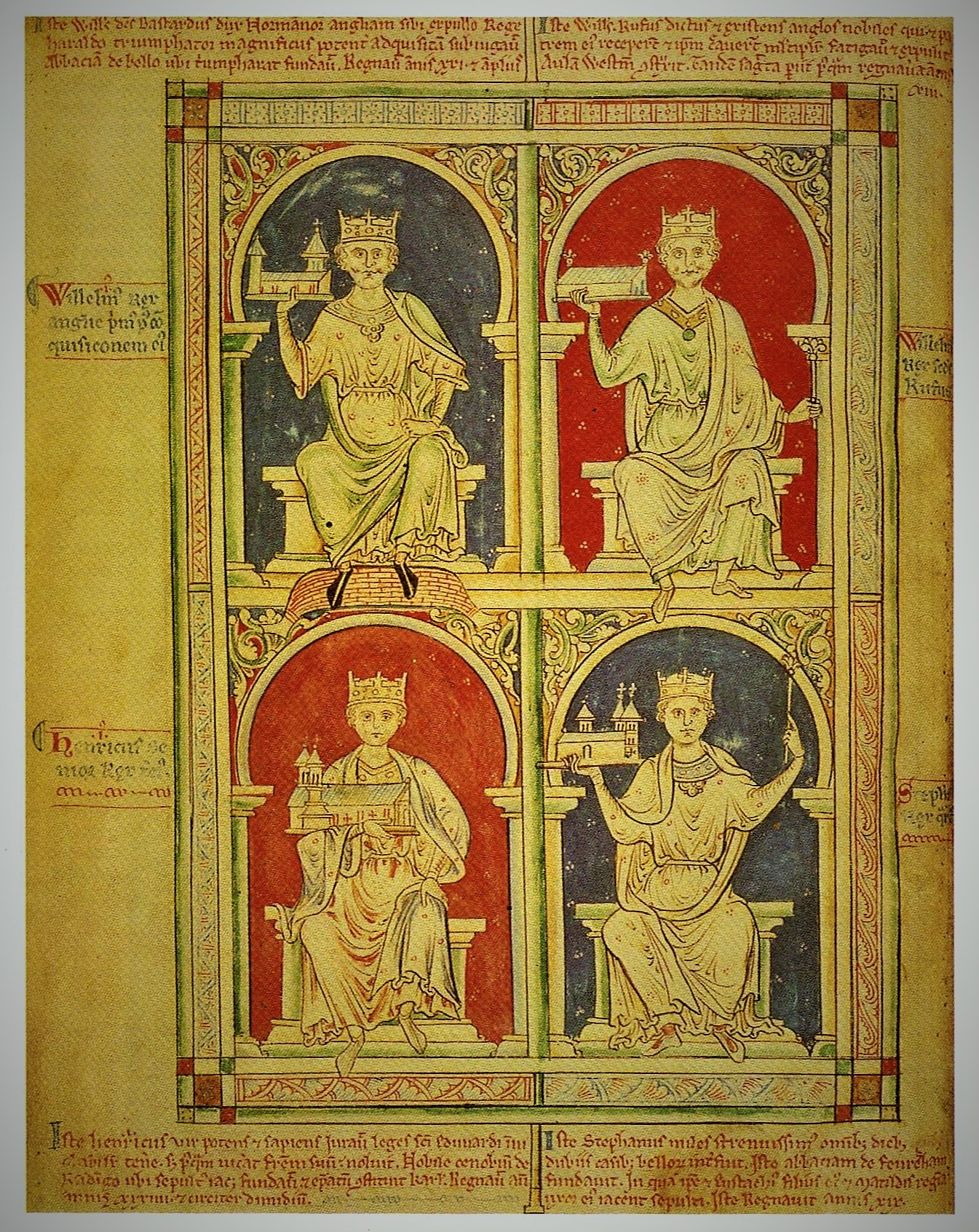
The Tragedy of Harold Godwinson: The story of the Norman ‘takeover’ of England has been told very often, most vividly in one of the earliest accounts in the form of Queen Matilda’s tapestry, still kept in Bayeux, which gives it the name it is better known by. French legend maintained the tapestry was commissioned andContinue reading “The End of Saxon England? Revisiting the Norman Conquest: Chapter I – The Confessor, the Conqueror & the House of Wessex, 1035-1135”
The Coming of the Northmen: from Coastal Raids to Inland Battles in Britain & Ireland, 789-871.

Pirates or Merchant Adventurers? Out of the North, they came, more warriors from the fringes of the Baltic. Norsemen, Vikings, Danes, many names, but one overriding characteristic – they came first to raid and plunder in tall-prowed sailing ships that had carried these sea-rovers to the Mediterranean and the coasts of a new world acrossContinue reading “The Coming of the Northmen: from Coastal Raids to Inland Battles in Britain & Ireland, 789-871.”
The Three Kingdoms & The Third Civil War: Campaigns in Ireland; Drogheda & Wexford to Tipperary, 1649-1652.
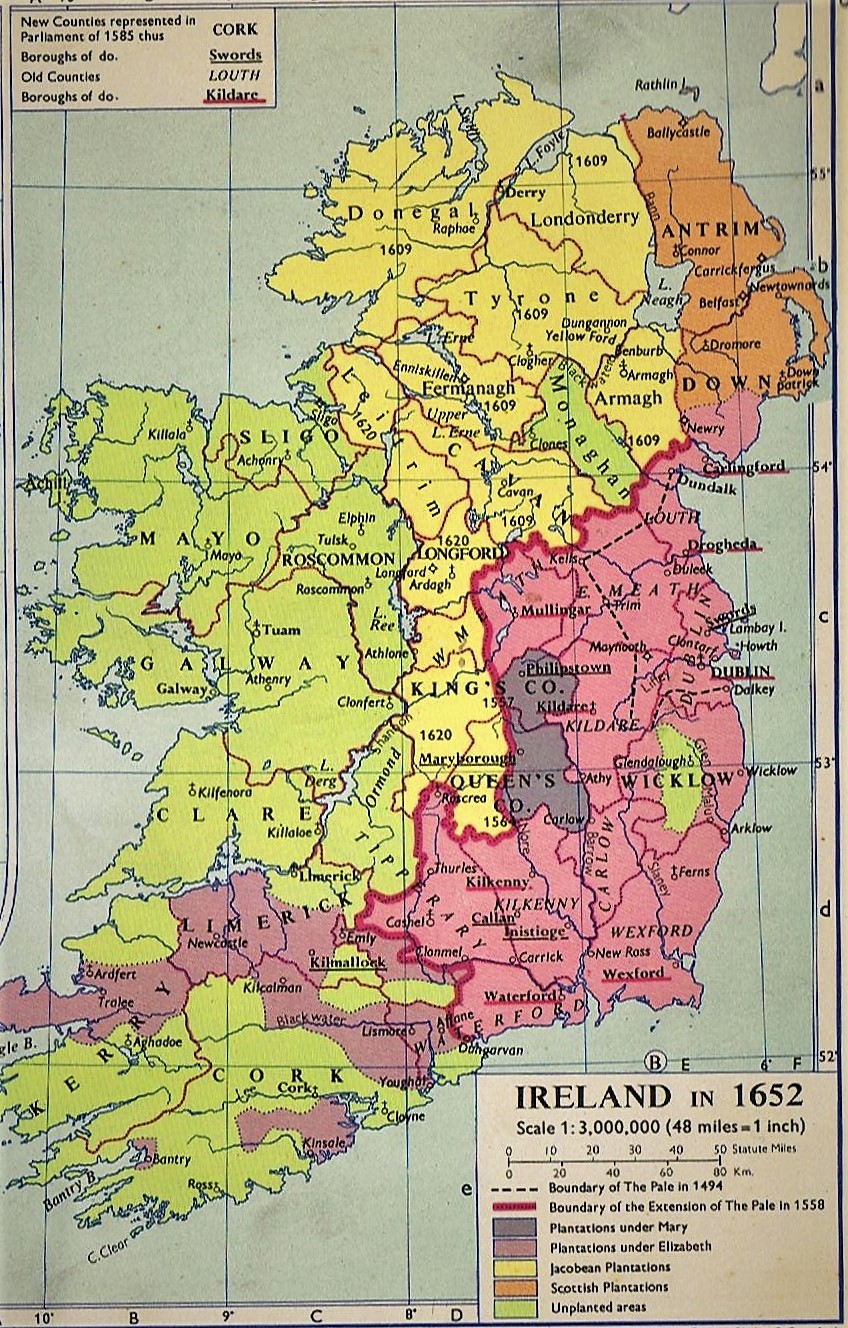
The Stuart Court at the Hague, 1649-51: The Trial and Execution of Charles I may have shocked the whole of Europe at first, but Edward Hyde, First Earl of Clarendon, wrote after the execution that… The kings and princes of Christendom had their eyes fixed upon this woeful bloody spectacle; how they looked upon thatContinue reading “The Three Kingdoms & The Third Civil War: Campaigns in Ireland; Drogheda & Wexford to Tipperary, 1649-1652.”
Regicides, Rebels & Revolutionaries: November 1648 – October 1649; from Pride’s Purge to the Leveller Mutinies in England.

Ireton’s ‘Remonstrance’ – St Albans & the London Levellers: When the Second Civil War ended, the frustrations and bitterness which had steadily been mounting against the king’s duplicity finally reached fever pitch. Many petitions were dispatched to London from various parts of the country demanding ‘impartial justice’ for all those involved in causing the recentContinue reading “Regicides, Rebels & Revolutionaries: November 1648 – October 1649; from Pride’s Purge to the Leveller Mutinies in England.”
The Putney Debates, the Second Civil War & the Newport Treaty: Oct 1647 – Oct 1648; Levellers, Engagers & Insurgents.
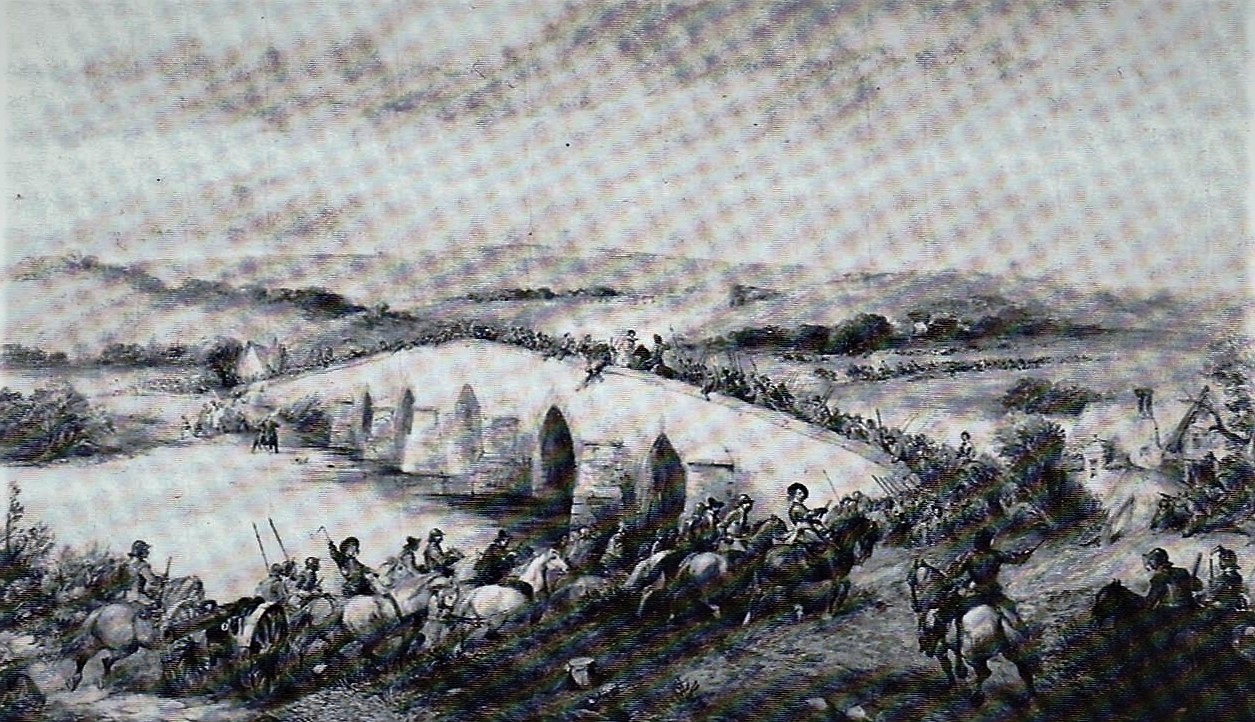
An ‘Outbreak of Democracy’?: In his 1961 work on The Levellers and the English Revolution, H N Brailsford wrote that: … there has been nothing like this spontaneous outbreak of democracy in any English or continental army before this year of 1647, nor was there anything like it thereafter till the Workers’ and Soldiers’ CouncilsContinue reading “The Putney Debates, the Second Civil War & the Newport Treaty: Oct 1647 – Oct 1648; Levellers, Engagers & Insurgents.”
Poverty, Progress & the Nonconformist Conscience in Britain, 1844-1914: London, Manchester & Birmingham.
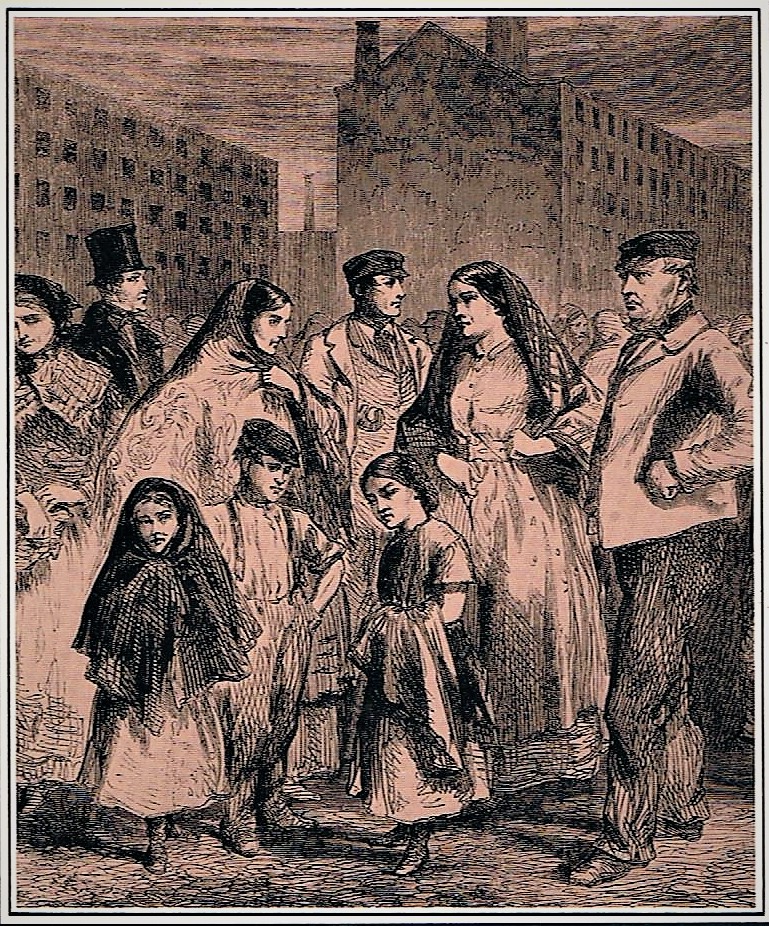
The ‘Manchester School’ and the Industrial City: By the 1840s, Manchester had become the symbol of a new form of social organisation, a ‘modern Athens’ to Benjamin Disraeli. But, in a sense, the City deserved the rough treatment it subsequently got from two notable foreign visitors, Alexis de Tocqueville and Friedrich Engels. In 1851, JohnContinue reading “Poverty, Progress & the Nonconformist Conscience in Britain, 1844-1914: London, Manchester & Birmingham.”
 Andrew James