
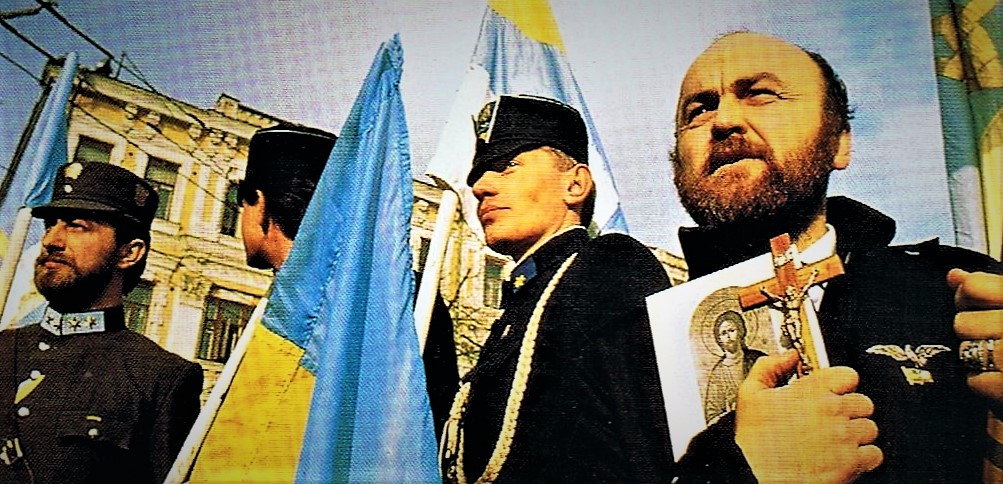
Putin’s Perverse & Very Unorthodox History: In a letter of 10th March, H.H. Patriarch Kirill ‘of Moscow and all Russia’ replied to a letter sent on 2nd March by World Council of Churches (WCC) acting general secretary Rev. Prof. Dr Ioan Sauca asking the Patriarch of the Russian Orthodox Church to mediate so that theContinue reading “Who are the Ukrainians? Mythology & History, Part II: 1801-2001 – From Napoleon’s Empire to end of Empires?”
Category Archives: Europe
Who are the Ukrainians? Mythology & History, Part I, 862-1796: Kyivan Rus & Cossacks; Great Powers & Empires.
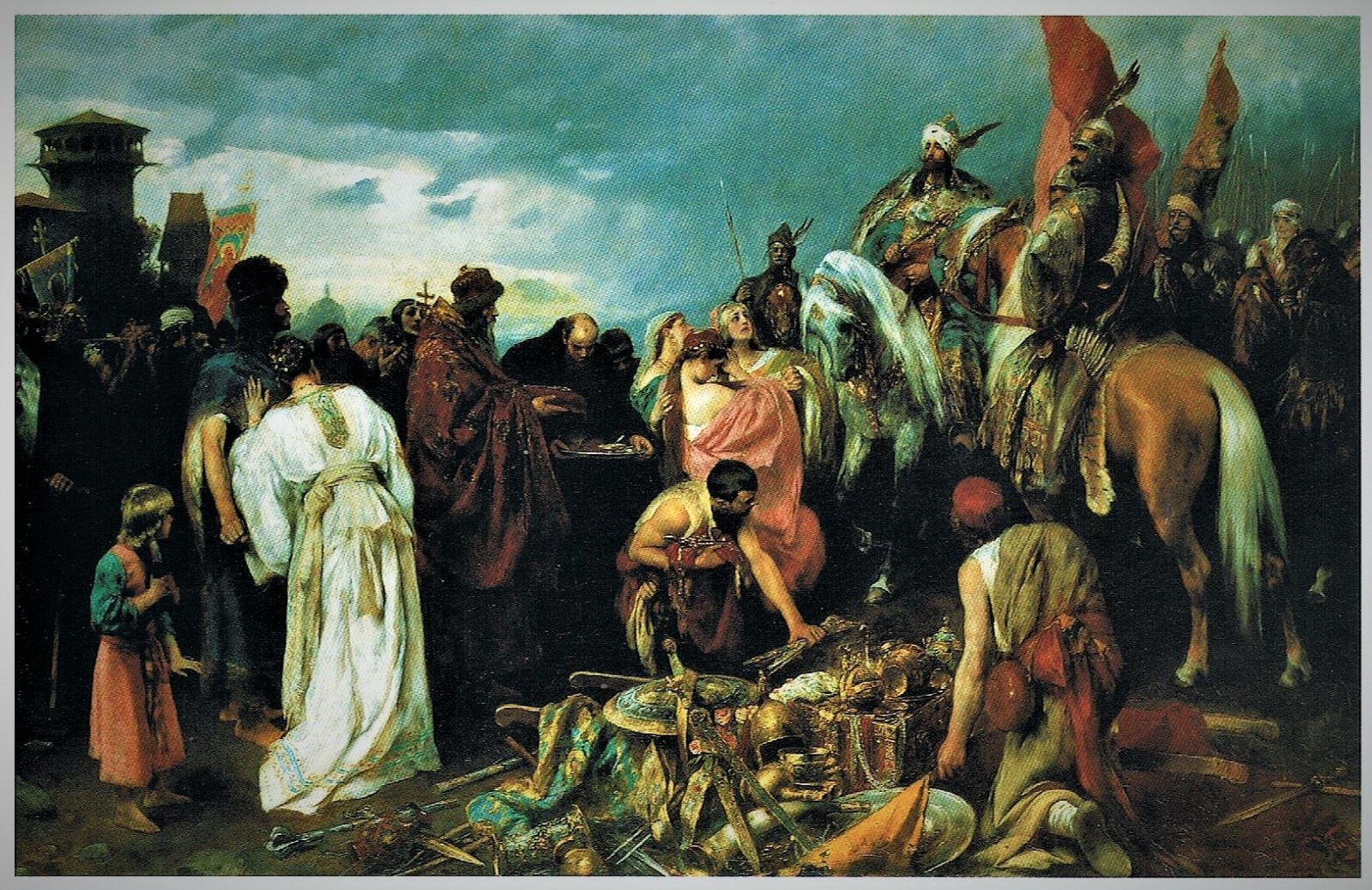
Fake History & The Russian World-View: “As you know, this conflict did not start today. It is my firm belief that its initiators are not the peoples of Russia and Ukraine, who came from one Kievan baptismal font, are united by common faith, common saints and prayers, and share common historical fate.“ In a 10Continue reading “Who are the Ukrainians? Mythology & History, Part I, 862-1796: Kyivan Rus & Cossacks; Great Powers & Empires.”
Bible Battles & The ‘Ascent of Man’: Nineteenth-Century Sceptics & Critics – Religion, Philosophy & Science.

Victorian Britain – An Age of Conformity? For many people in the early twenty-first century, the title ‘mid-Victorian Britain’ conjures up an image of church-going, sabbath seriousness, packed pews and the head of the household, invariably the father, questioning his progeny on the points of the morning sermon. The very word ‘Victorian’ has passed intoContinue reading “Bible Battles & The ‘Ascent of Man’: Nineteenth-Century Sceptics & Critics – Religion, Philosophy & Science.”
The Enlightenment & Eighteenth-Century Rationalist Critics of the Bible: A Supplementary Summary.
For Calvinists at the time, as for many other conservative theologians since Spinoza, his role has been seen as purely destructive, as that of one who undermined the authority and inspiration of the biblical text and laid the foundation for Enlightenment scepticism about the Bible – the scepticism of the French philosophers, Voltaire (1694-1778) RousseauContinue reading “The Enlightenment & Eighteenth-Century Rationalist Critics of the Bible: A Supplementary Summary.”
Scenes from Baptist History: Persecution of the Puritans, Evangelical Revival & William Carey, 1662-1812.
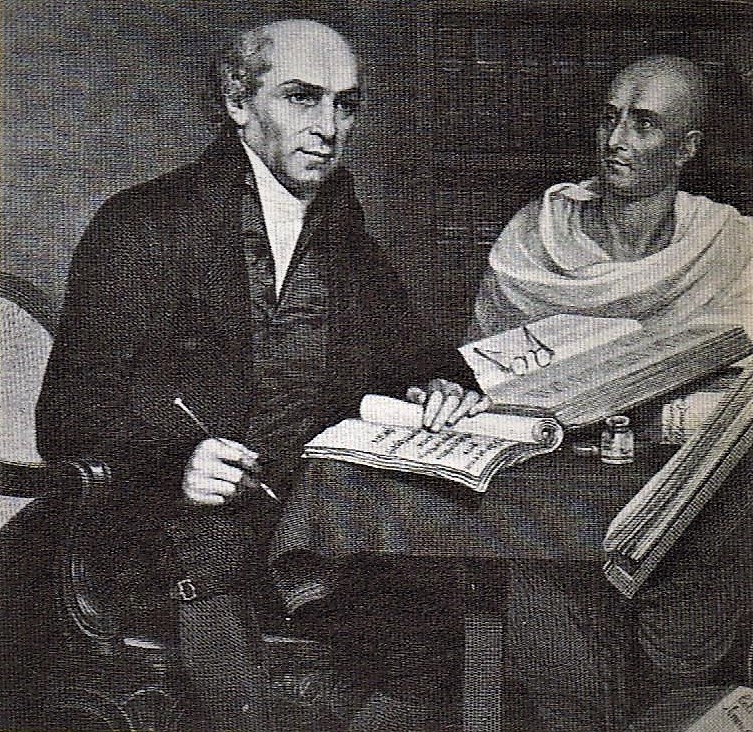
Persecution of All ‘Nonconformists’, 1662-87: It was not until 1687 that the dissenting or ‘nonconformist’ churches felt able to look back upon ye Times of our late Troubles since the Act of Uniformity in 1662 had taken away the relative toleration they had experienced in the Interregnum. The Presbyterian minister Richard Baxter (1615-91) had takenContinue reading “Scenes from Baptist History: Persecution of the Puritans, Evangelical Revival & William Carey, 1662-1812.”
Three Scenes from Baptist History – The First Fifty Years, 1612-1662: The Puritan Revolution & The Civil Wars.

Two more scenes from Rev. Arthur J Chandler’s unpublished plays on Baptist History, featuring Thomas Helwys and Col. John Hutchinson, plus a scene from David Starsmeare’s play, ‘Diggers: The Story of a Commune’, featuring Gerrard Winstanley. Background – The First English Puritans & Exile in the Netherlands: The Elizabethan puritans wanted to reform the churchContinue reading “Three Scenes from Baptist History – The First Fifty Years, 1612-1662: The Puritan Revolution & The Civil Wars.”
Six Scenes from the English Civil War: Vignettes of Colonel John Hutchinson – Roundhead, Radical & Regicide.

Scenes from an unpublished play, ‘Vignettes of Colonel Hutchinson’ written (in typescript) in the early 1960s by Rev Arthur James Chandler, then Pastor of Daybrook Baptist Church in Nottingham, edited with added historical notes by Dr Andrew James Chandler. Background: The Outbreak of the First Civil War in England: On 4 January 1642, Charles IContinue reading “Six Scenes from the English Civil War: Vignettes of Colonel John Hutchinson – Roundhead, Radical & Regicide.”
More on Poetry & History: The Middle Marches of Wales, the Welsh Bards & the Love Poems of Dafydd ap Gwilym.
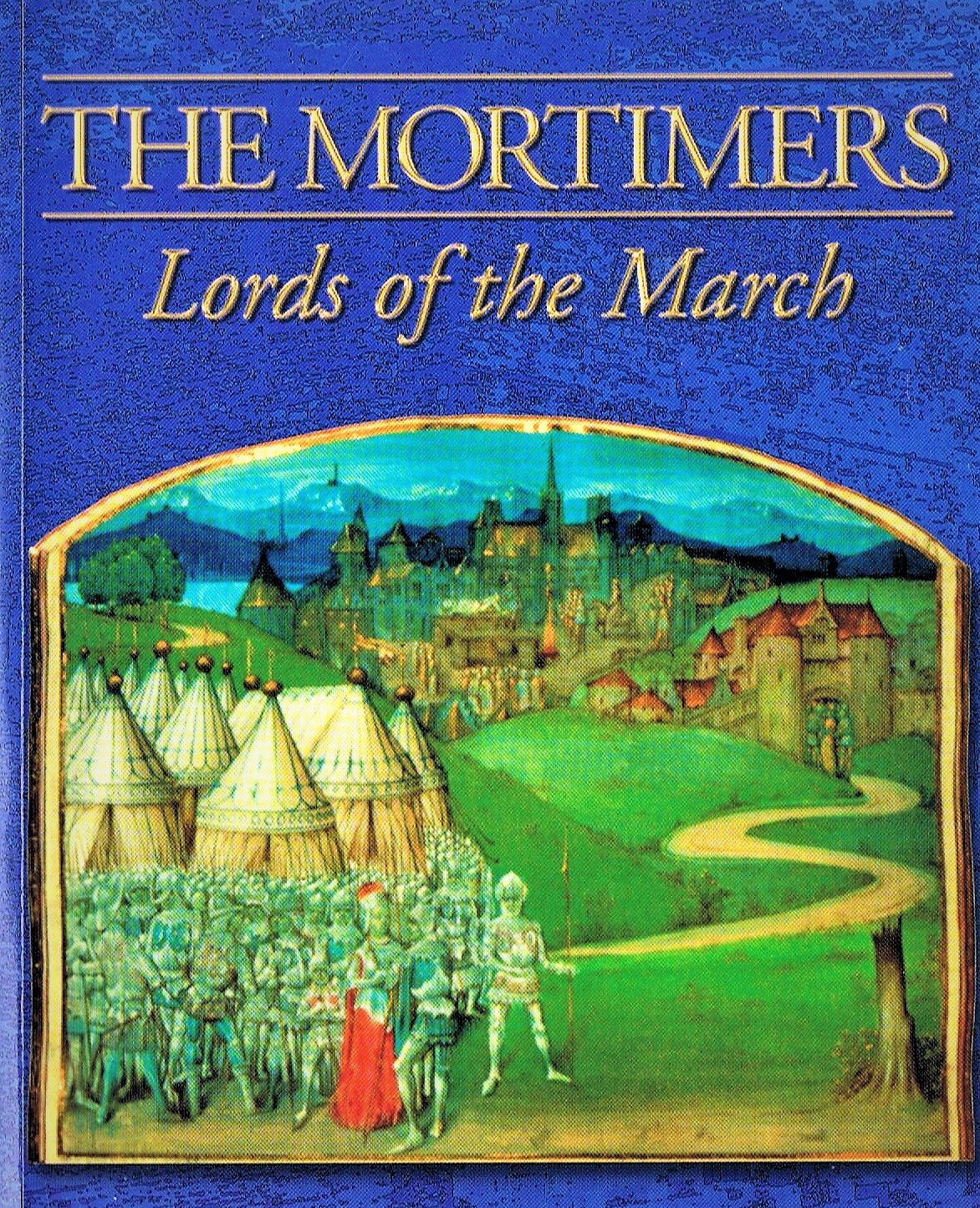
The Conquest of ‘the Middle March’ & The Mortimers, 1240-1330: Searching for the history behind the legend of the ‘Massacre of the Five Hundred Bards’ entails a more detailed understanding of the nature and events surrounding ‘royal Montgomery’ and what became known as ‘the Middle March’, including the lands held (often temporarily) by the MortimerContinue reading “More on Poetry & History: The Middle Marches of Wales, the Welsh Bards & the Love Poems of Dafydd ap Gwilym.”
Welsh Bards & Hungarian Balladeers: Imagining the Past – Poetry & History.

Wars of Independence: In 1857, the legendary martyrdom of the courtly poets of Wales by Edward I was used by the nineteenth-century Hungarian poet János Arany to serve as a parable of resistance to another Empire after the ‘heroic’ uprising and war of independence of 1848-49 in his native country. Arany’s poem, Walesi bardok (The Bards ofContinue reading “Welsh Bards & Hungarian Balladeers: Imagining the Past – Poetry & History.”
The End of Saxon England? Revisiting the Norman Conquest, 1035-1135: Chapter II – Castles, Abbeys, Cathedrals & Churches.
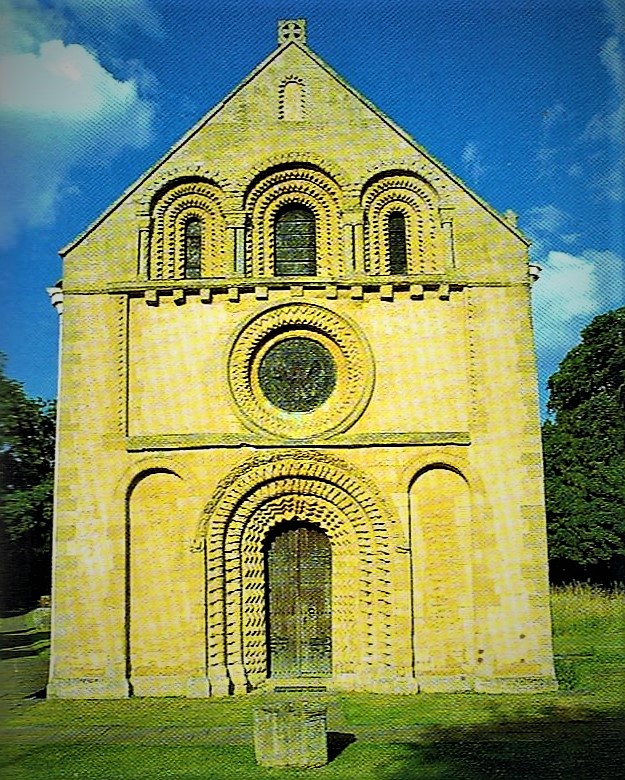
Knights, Barons & Castles: The knights who served William ‘the Conqueror’ were armed in many respects as their English opponents, wearing mail hauberks and conical helmets, and carrying kite-shaped shields, lances, swords and maces. If battlefield tactics were dominated by the mounted knight, the strategies of war were increasingly subject to the powerful influence ofContinue reading “The End of Saxon England? Revisiting the Norman Conquest, 1035-1135: Chapter II – Castles, Abbeys, Cathedrals & Churches.”
 Andrew James