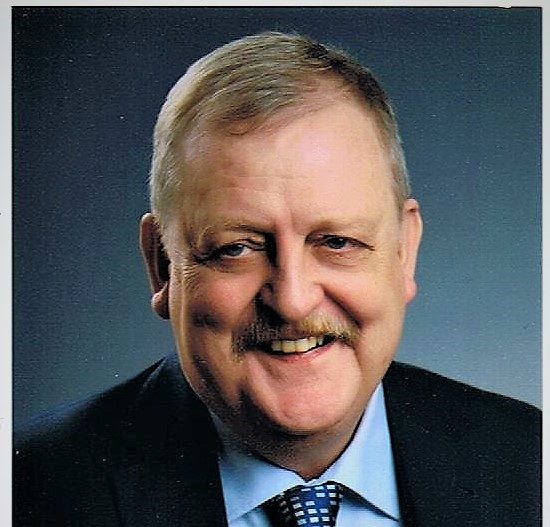
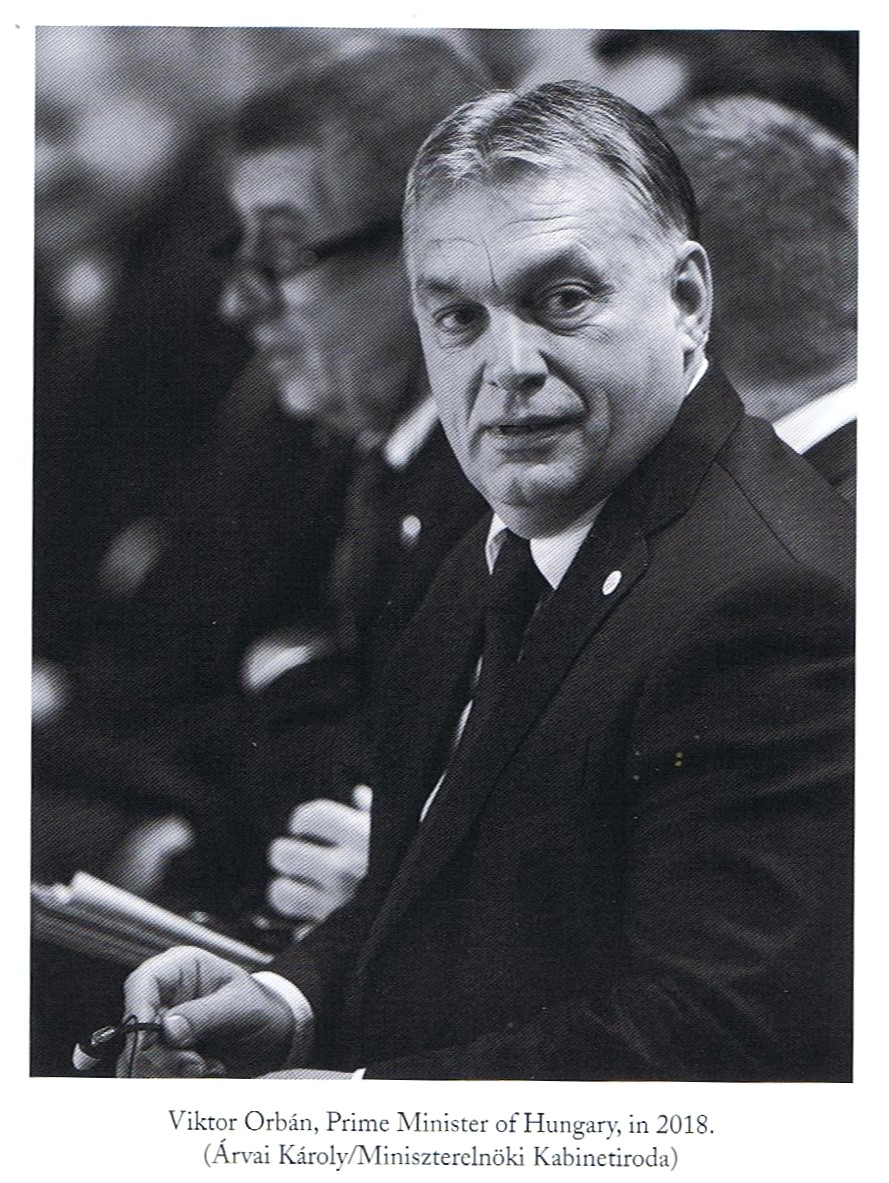
Preface – A Time for Turning? 1989-2009: Above and below are photos, taken between 1989 and 2009, by Lobenwein Tamás. In June 1989, Viktor Orbán returned to Hungary from his Soros-sponsored sojourn at Oxford to secure his leadership of Fidesz, then a radical liberal youth party, in advance of the first free elections in 1990.Continue reading “Is Hungary finally moving on from the ‘illiberalism’ and ‘Christian Nationalism’ of the Orbán Years of 2010-2025?”
Category Archives: Enlightenment
Is Hungary’s Appeasement of Putin Justified by its Past Experiences? III

Chapter Three – From Sarajevo to War & Revolutions, 1914-1919: Archduke Franz Ferdinand favoured a policy of reconciliation with the Slavs in the Austro-Hungarian Monarchy. Because of this attitude, he was disliked both by the traditional ruling élite in Vienna and the Magyar bourgeois statesmen of Hungary. The Slavs within the empire, seeking union withContinue reading “Is Hungary’s Appeasement of Putin Justified by its Past Experiences? III”
Is Hungary’s Appeasement of Putin Justified by its Past Experiences? II
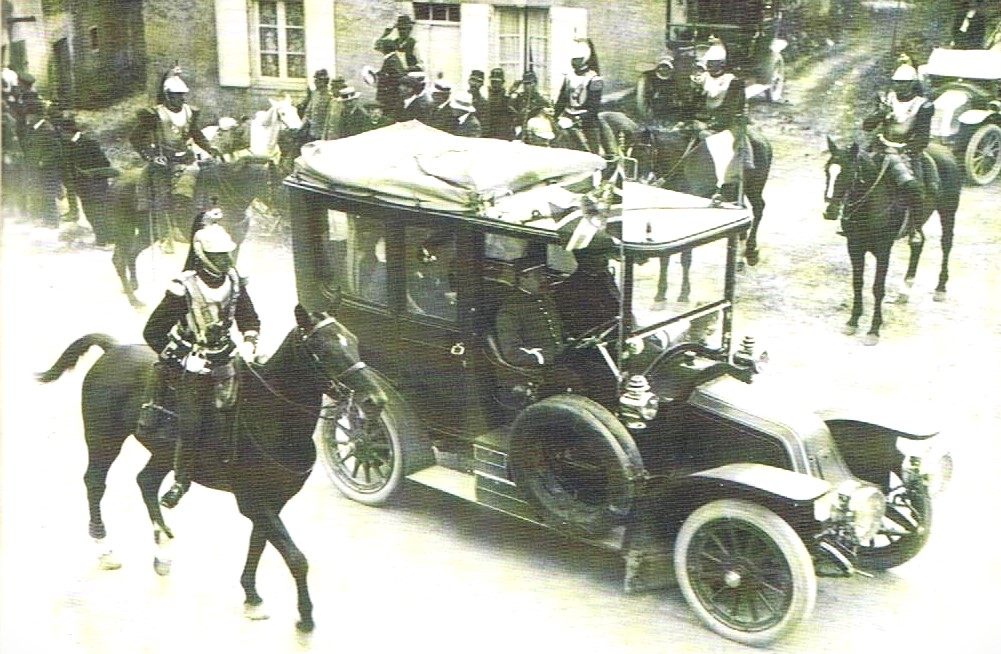
Chapter Two: All Roads Led to Sarajevo – How Austria-Hungary Went to War in 1914: The Trigger: On 28th June 1914, the heir to the Austrian and Hungarian thrones, Archduke Franz Ferdinand, paid a visit to Sarajevo, the capital of Bosnia, which had been occupied by Austria-Hungary in 1878, and annexed by Emperor Franz JosefContinue reading “Is Hungary’s Appeasement of Putin Justified by its Past Experiences? II”
Is Hungary’s Appeasement of Putin Justified by its Past Experiences?
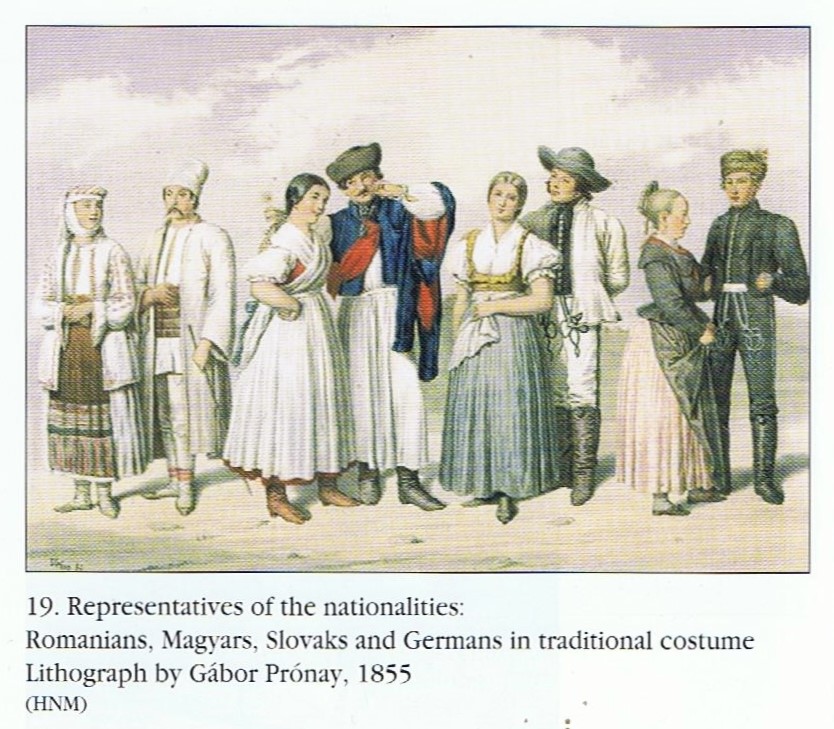
Introduction: The recent attempted assassination of the Slovak Prime Minister, Robert Fico, reminded many Hungarians, along with other Central Europeans, of the events leading to the outbreak of the First World War which ended with the break-up of the Austro-Hungarian Empire and Hungary’s loss of two-thirds of its 1914 territories (as part of the ‘DualContinue reading “Is Hungary’s Appeasement of Putin Justified by its Past Experiences?”
The Windrush Generation, Seventy-five Years on – 1948-2023: Caribbean Immigrants to Britain; Policy, Music & Culture

Originally posted on Andrew James:
The first black Gospel group to make an impact in Britain were ‘The Singing Stewarts’. They were originally from Trinidad and Aruba, where the five brothers and three sisters of the Stewart family were born. They migrated to Handsworth in Birmingham in 1961, part of the second major wave of Windrush migrants who came to…
Where in the World is Wales? Celebrating St David’s Day, 1st March – a retrospective after forty years ‘in exile’.
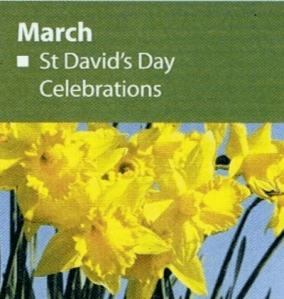
St. David’s Day (Dydd Gwyl Dewi) is the first of the four national days or patron saints’ days in the British calendar. Saint David (Dewi Sant in Welsh) is the only of them to actually hail from the country for which he was canonised. Yet we know very little of a factual nature about his life. Apparently,Continue reading “Where in the World is Wales? Celebrating St David’s Day, 1st March – a retrospective after forty years ‘in exile’.”
Orbán & Fidesz versus Soros, et. al: Whose Values? -The Continuing Confrontation.
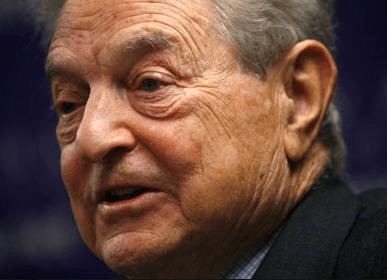
Extract from a Speech by Prime Minister Viktor Orbán at the 31st Bálványos Summer Free University and Student Camp, 23 July 2022, Tusnádfürdő [Băile Tuşnad]: We have managed to separate our big debate on the whole gender issue from the debate on EU money, and the two are now moving forward on separate tracks. HereContinue reading “Orbán & Fidesz versus Soros, et. al: Whose Values? -The Continuing Confrontation.”
Who were the Huguenots? Currents of Cultural & Linguistic Change in France & Early Modern Europe.

Pictured above are French Protestants at Lyons Temple service, which was converted from an ordinary house. The hatted preacher is timed by an hourglass, and the two sexes are seated mainly in separate parts of the temple. Introduction – A Retrospective on Genocide & Deculturation: The word ‘genocide’ is essentially a term relating to eventsContinue reading “Who were the Huguenots? Currents of Cultural & Linguistic Change in France & Early Modern Europe.”
Who are the Ukrainians? Mythology & History, Part I, 862-1796: Kyivan Rus & Cossacks; Great Powers & Empires.
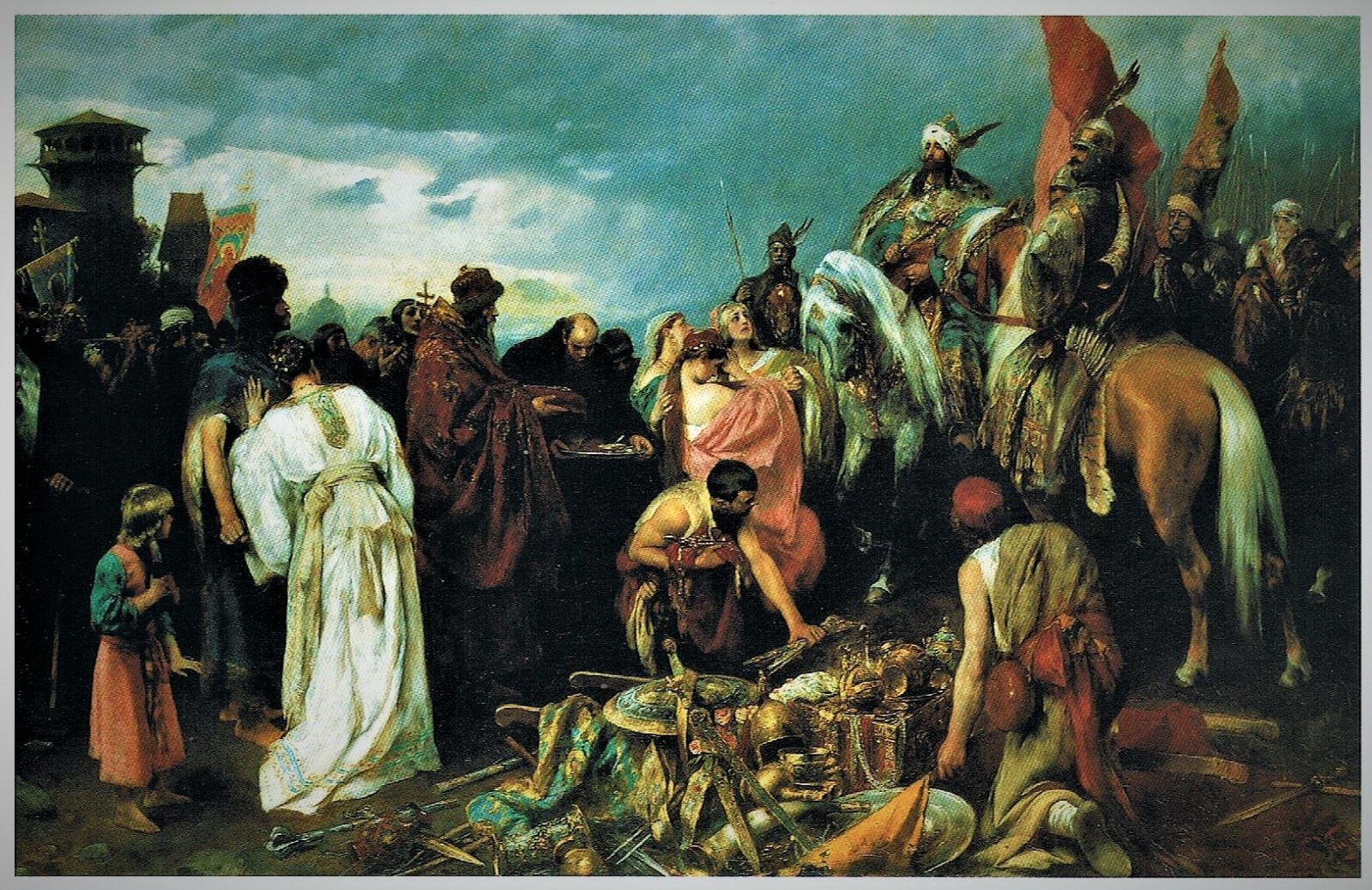
Fake History & The Russian World-View: “As you know, this conflict did not start today. It is my firm belief that its initiators are not the peoples of Russia and Ukraine, who came from one Kievan baptismal font, are united by common faith, common saints and prayers, and share common historical fate.“ In a 10Continue reading “Who are the Ukrainians? Mythology & History, Part I, 862-1796: Kyivan Rus & Cossacks; Great Powers & Empires.”
Bible Battles & The ‘Ascent of Man’: Nineteenth-Century Sceptics & Critics – Religion, Philosophy & Science.

Victorian Britain – An Age of Conformity? For many people in the early twenty-first century, the title ‘mid-Victorian Britain’ conjures up an image of church-going, sabbath seriousness, packed pews and the head of the household, invariably the father, questioning his progeny on the points of the morning sermon. The very word ‘Victorian’ has passed intoContinue reading “Bible Battles & The ‘Ascent of Man’: Nineteenth-Century Sceptics & Critics – Religion, Philosophy & Science.”
 Andrew James