
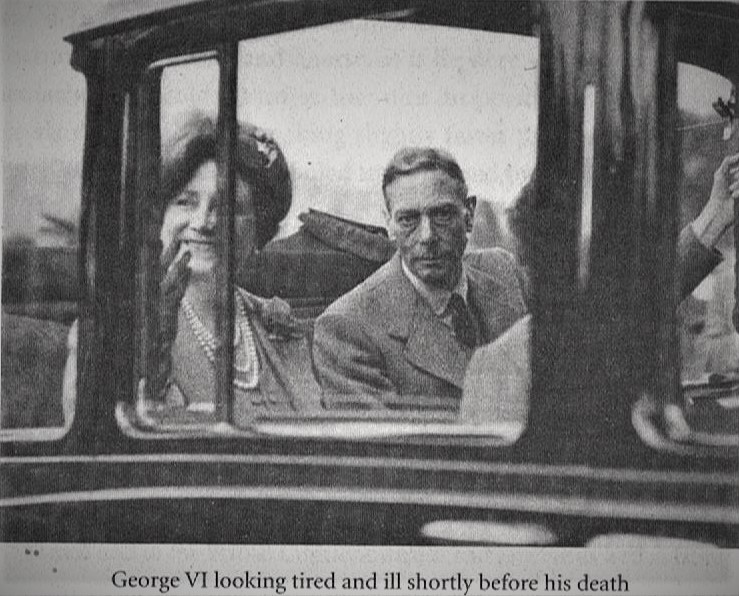
Above: British propaganda poster, ‘On to Japan!’, 1945 (The Bridgeman Art Library). Fighting Back in Malaya & Singapore: The State Opening of Parliament, which took place on 15th August 1945, saw a return to the pomp of pre-war years, with thousands of people lining the streets of London as the King and Queen travelled toContinue reading “Majesty & Grace VI: The Life & Times of the Windsors, 1945-1952; George VI & The People’s Peace.”
Category Archives: English Language
Majesty & Grace V: The Lives & Times of the Windsors – King, Country & People’s War, 1940-45:

‘Ribbentrop’s War’ – The Assault on the West: After the defeat of Poland, Hitler wanted to wage a winter campaign in the west, but bad weather prevented it, and both sides sat through a winter of ‘phoney war.’ For this reason and with some justice, the Second World War has been called ‘Ribbentrop’s war.’ AlthoughContinue reading “Majesty & Grace V: The Lives & Times of the Windsors – King, Country & People’s War, 1940-45:”
An Epilogue for Beren & Lúthien: Tolkien’s Last Years, 1966-1973 & The Work of Christopher Tolkien (-2017).
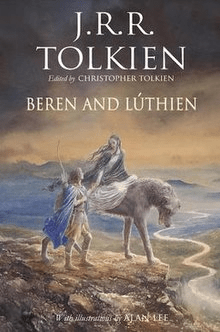
The Road Goes Ever on – Headington to Bournemouth: Although life retirement sometimes seemed ‘grey and grim’ to Tolkien, it also had many elements that suited him. For one thing, he and Edith, at last, had enough money. However, the tax authorities took a large proportion of his earnings, and on one occasion, Tolkien wroteContinue reading “An Epilogue for Beren & Lúthien: Tolkien’s Last Years, 1966-1973 & The Work of Christopher Tolkien (-2017).”
Faith, Fantasy & Fairy Tales – Tolkien, ‘Jack’ Lewis & ‘The Inklings’, 1926-66: Part Two – ‘Shadowy Abstractions’
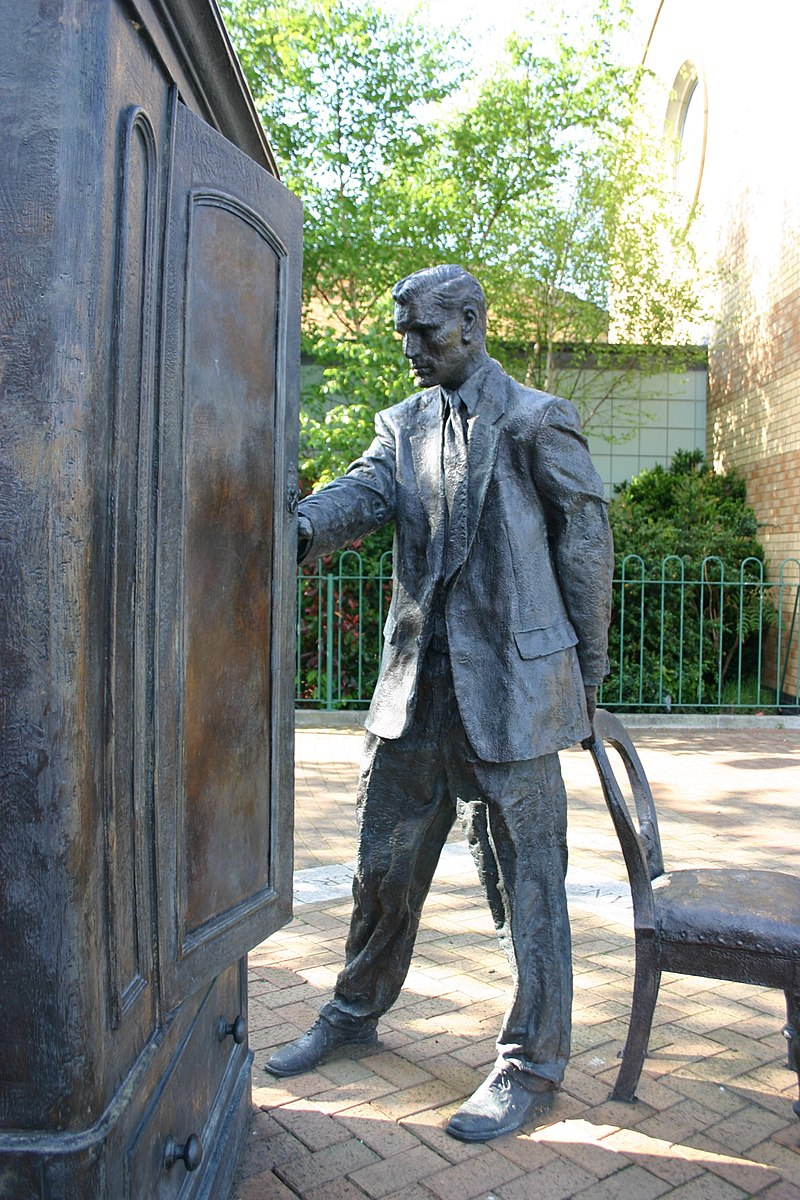
There was a good stretch of time between Jack Lewis’s conversion on the way to Whipsnade and his writing of the Tales of Narnia. Throughout this time, while Tolkien was writing his Hobbit stories, Lewis was musing on the physical similarities that men and beasts have in common. This is why he felt that Kenneth Grahame, in The Wind in the Willows, made exactly the right choice in giving his principal character the form of a toad
The Making of an English Mythology; from Reality to Fantasy and back again, 1917-1954: Tolkien’s Creative Years.

Following his recovery from the Somme and ‘trench fever’ on his return from France in 1916, Tolkien was determined to create an entire mythology for England. He had hinted at this during his undergraduate days at Oxford when he studied and wrote of the Finnish ‘Kalevala’:
“I would that we had more of it left – something of the sort that belonged to the English.”
This idea now grew during his recuperation until it reached ‘epic’ proportions. This is how Tolkien expressed it when recollecting many years later:
“Do not laugh! But once upon a time (my crest has long since fallen), I had a mind to make a body of more or less connected legend, ranging from the large to the cosmogonic to the level of romantic fairy-story – the larger founded on the lesser in contact with the earth, the lesser drawing splendour from the vast backcloths – which I could dedicate simply: to England, to my country. “
J. R. R. Tolkien & Birmingham; the Formative Years, 1896-1916: Part Two (1908-16) – ‘Lang.’, Lore & Love.

Inventing Language: As a result of his insatiable love of words, Ronald started to invent his own languages. Some children have rudimentary private languages that they like to share together. This was what Ronald’s cousins Mary and Marjorie Incledon had done. They now lived outside Birmingham at Barnt Green, the neighbouring village to Rednal, andContinue reading “J. R. R. Tolkien & Birmingham; the Formative Years, 1896-1916: Part Two (1908-16) – ‘Lang.’, Lore & Love.”
J. R. R. Tolkien & Birmingham, 1896-1916: The Formative Years, Part One (to 1908) – Middle English
The South African Prelude – Beginnings in Bloemfontein: Arthur Reuel Tolkien and Mabel Suffield (pictured above in the family group), both from Birmingham, were married in Cape Town Cathedral on 16th April 1891, after which came an exhausting railway journey of nearly seven hundred miles to the capital of the Orange Free State. Less thanContinue reading “J. R. R. Tolkien & Birmingham, 1896-1916: The Formative Years, Part One (to 1908) – Middle English”
Britain, Europe and The World in 1937: A Moment in History Repeating itself? Part Two
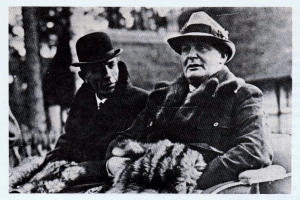
‘Special Operations’, 2022 & April 1937- March 1938: Just as the so-called Russian ‘Special Operation’ which began on 24th February 2022, did not represent the beginning of War in Ukraine, the invasion of its sovereign territory having commenced in 2014, so too, no single event in 1937 or 1938 represented the beginning of war inContinue reading “Britain, Europe and The World in 1937: A Moment in History Repeating itself? Part Two”
Tolkien’s Shire: From Middle England to Middle-earth – People, Places & Past Times.
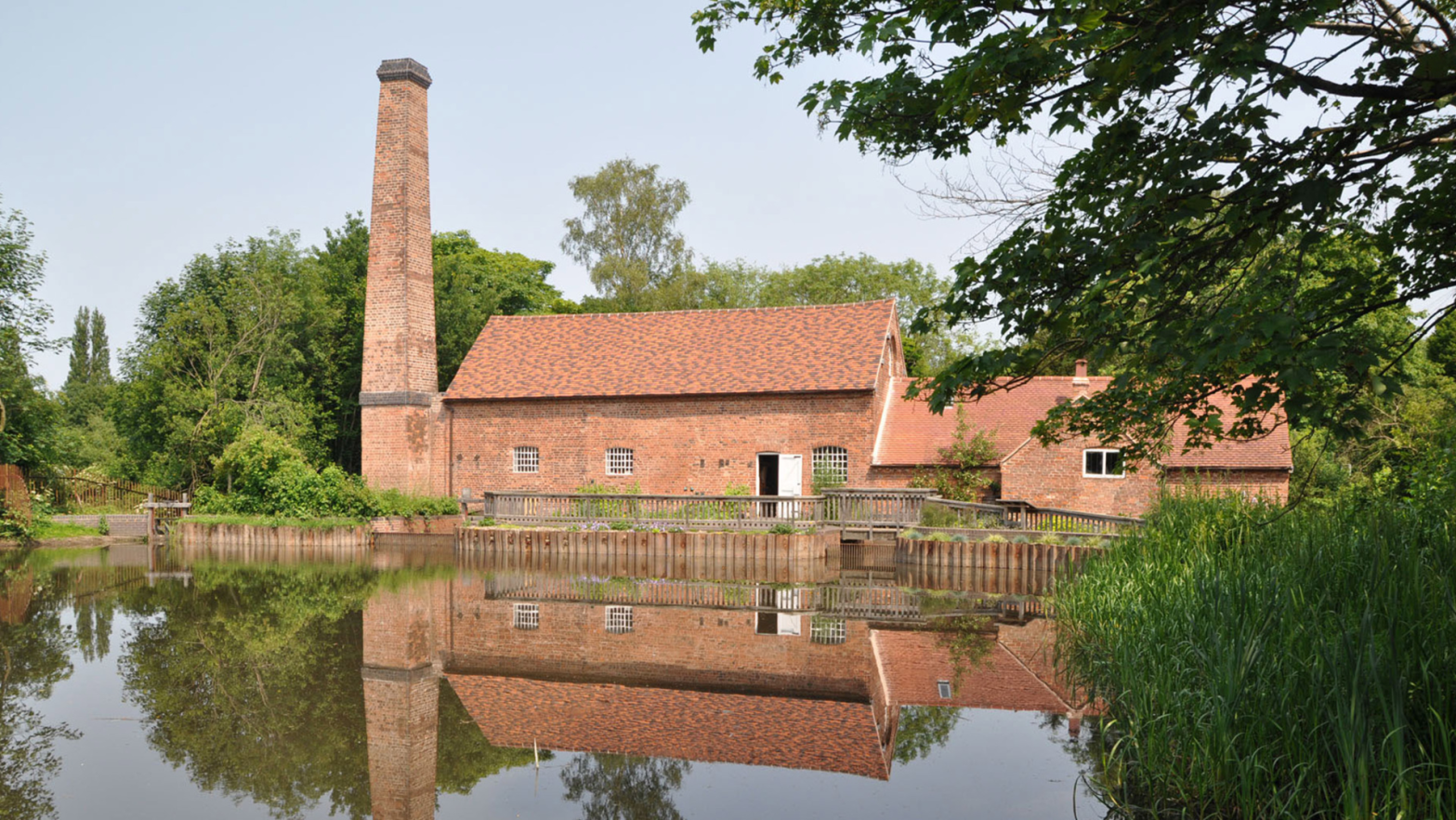
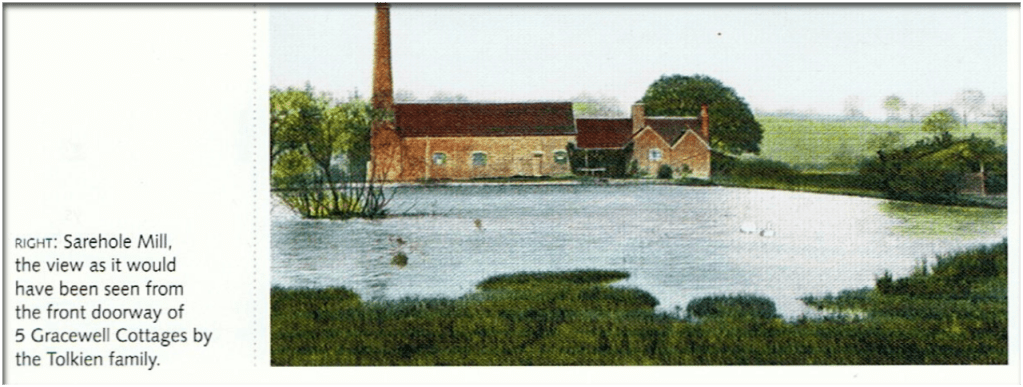
Sarehole as Hobbiton: J.R.R. Tolkien lived near Sarehole Mill as a child in what was then a Worcestershire village and is now part of the Hall Green district of Birmingham. Together with the neighbouring Moseley Bog, the Sarehole area inspired the Tolkien stories of Middle-earth. The Tolkien Trail – Late Victorian & Edwardian Birmingham. Birmingham’sContinue reading “Tolkien’s Shire: From Middle England to Middle-earth – People, Places & Past Times.”
Who were the Huguenots? Currents of Cultural & Linguistic Change in France & Early Modern Europe.

Pictured above are French Protestants at Lyons Temple service, which was converted from an ordinary house. The hatted preacher is timed by an hourglass, and the two sexes are seated mainly in separate parts of the temple. Introduction – A Retrospective on Genocide & Deculturation: The word ‘genocide’ is essentially a term relating to eventsContinue reading “Who were the Huguenots? Currents of Cultural & Linguistic Change in France & Early Modern Europe.”
 Andrew James