
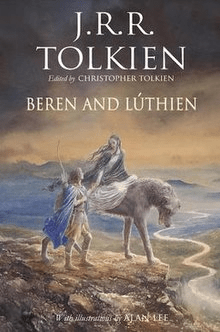
The Road Goes Ever on – Headington to Bournemouth: Although life retirement sometimes seemed ‘grey and grim’ to Tolkien, it also had many elements that suited him. For one thing, he and Edith, at last, had enough money. However, the tax authorities took a large proportion of his earnings, and on one occasion, Tolkien wroteContinue reading “An Epilogue for Beren & Lúthien: Tolkien’s Last Years, 1966-1973 & The Work of Christopher Tolkien (-2017).”
Category Archives: Edwardian
Faith, Fantasy & Fairy Tales – Tolkien, ‘Jack’ Lewis & ‘The Inklings’, 1926-66: Part Two – ‘Shadowy Abstractions’
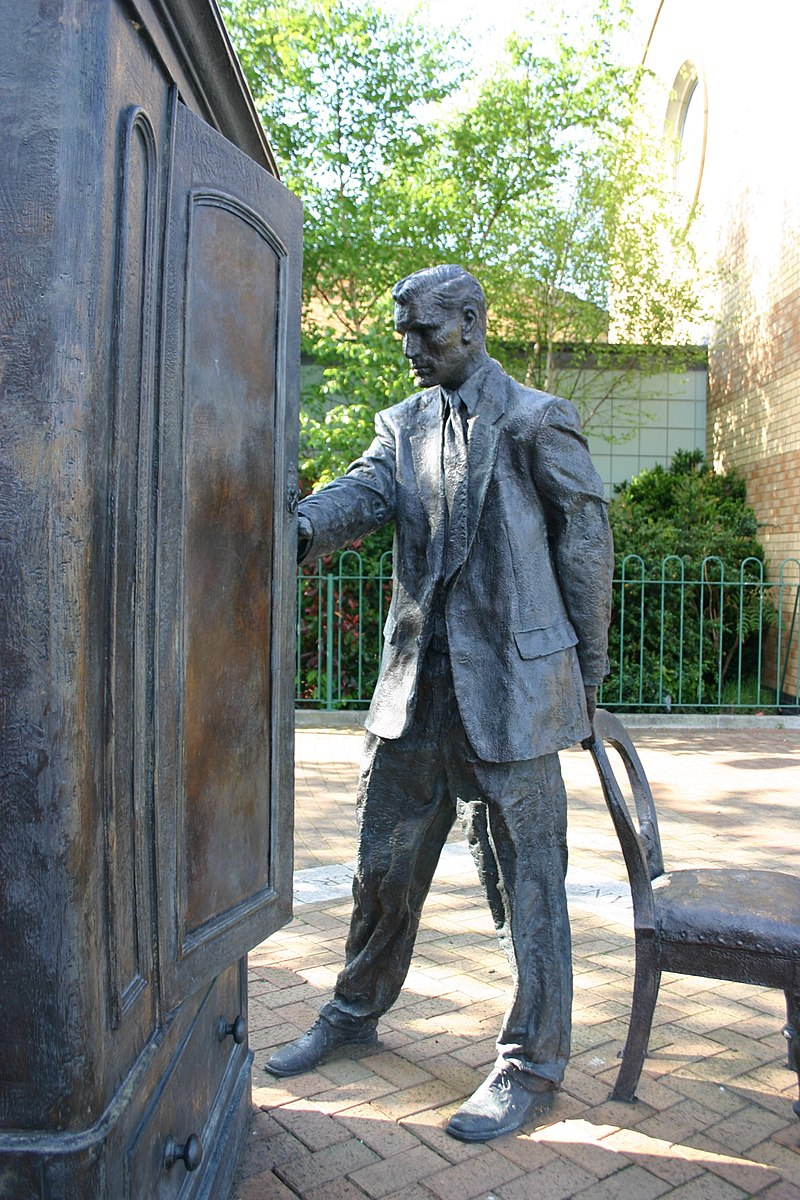
There was a good stretch of time between Jack Lewis’s conversion on the way to Whipsnade and his writing of the Tales of Narnia. Throughout this time, while Tolkien was writing his Hobbit stories, Lewis was musing on the physical similarities that men and beasts have in common. This is why he felt that Kenneth Grahame, in The Wind in the Willows, made exactly the right choice in giving his principal character the form of a toad
The Making of an English Mythology; from Reality to Fantasy and back again, 1917-1954: Tolkien’s Creative Years.

Following his recovery from the Somme and ‘trench fever’ on his return from France in 1916, Tolkien was determined to create an entire mythology for England. He had hinted at this during his undergraduate days at Oxford when he studied and wrote of the Finnish ‘Kalevala’:
“I would that we had more of it left – something of the sort that belonged to the English.”
This idea now grew during his recuperation until it reached ‘epic’ proportions. This is how Tolkien expressed it when recollecting many years later:
“Do not laugh! But once upon a time (my crest has long since fallen), I had a mind to make a body of more or less connected legend, ranging from the large to the cosmogonic to the level of romantic fairy-story – the larger founded on the lesser in contact with the earth, the lesser drawing splendour from the vast backcloths – which I could dedicate simply: to England, to my country. “
J. R. R. Tolkien & Birmingham; the Formative Years, 1896-1916: Part Two (1908-16) – ‘Lang.’, Lore & Love.

Inventing Language: As a result of his insatiable love of words, Ronald started to invent his own languages. Some children have rudimentary private languages that they like to share together. This was what Ronald’s cousins Mary and Marjorie Incledon had done. They now lived outside Birmingham at Barnt Green, the neighbouring village to Rednal, andContinue reading “J. R. R. Tolkien & Birmingham; the Formative Years, 1896-1916: Part Two (1908-16) – ‘Lang.’, Lore & Love.”
Who are the Ukrainians? Mythology & History, Part II: 1801-2001 – From Napoleon’s Empire to end of Empires?
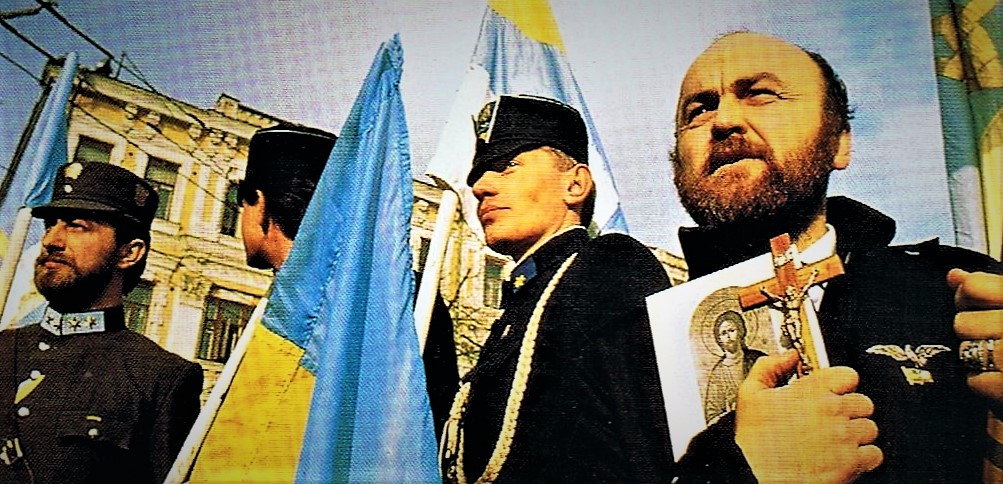
Putin’s Perverse & Very Unorthodox History: In a letter of 10th March, H.H. Patriarch Kirill ‘of Moscow and all Russia’ replied to a letter sent on 2nd March by World Council of Churches (WCC) acting general secretary Rev. Prof. Dr Ioan Sauca asking the Patriarch of the Russian Orthodox Church to mediate so that theContinue reading “Who are the Ukrainians? Mythology & History, Part II: 1801-2001 – From Napoleon’s Empire to end of Empires?”
Scenes from Baptist History, 1814-1914: Missionaries, Mechanics & Manufacturers.

Includes a scene from Regent Street Baptist Church, Smethwick, Birmingham, from November 1897, ‘The Church in Meeting Assembled’ by Rev. A. J. Chandler, Minister of Bearwood Baptist Church, Birmingham, 1965-79. Revival, ‘Respectability’ & Reform in Britain, 1814-1859: In 1814, there was an evangelistic revival at Redruth in Cornwall which continued for nine days. An eye-witnessContinue reading “Scenes from Baptist History, 1814-1914: Missionaries, Mechanics & Manufacturers.”
Welsh Bards & Hungarian Balladeers: Imagining the Past – Poetry & History.

Wars of Independence: In 1857, the legendary martyrdom of the courtly poets of Wales by Edward I was used by the nineteenth-century Hungarian poet János Arany to serve as a parable of resistance to another Empire after the ‘heroic’ uprising and war of independence of 1848-49 in his native country. Arany’s poem, Walesi bardok (The Bards ofContinue reading “Welsh Bards & Hungarian Balladeers: Imagining the Past – Poetry & History.”
C. S. Lewis’s Tales of Narnia, from Genesis to ‘Shadowlands’ – Stealing Past Dragons.

A Life Between Faith and Literature: Clive Staples Lewis became the most popular defender of orthodox Christianity in the English-speaking world in the mid-twentieth century. Born in Belfast in 1898, he was brought up an Anglican and educated at Malvern College. As a young man, C. S. Lewis had served in the trenches of WorldContinue reading “C. S. Lewis’s Tales of Narnia, from Genesis to ‘Shadowlands’ – Stealing Past Dragons.”
Poverty, Progress & the Nonconformist Conscience in Britain, 1844-1914: London, Manchester & Birmingham.
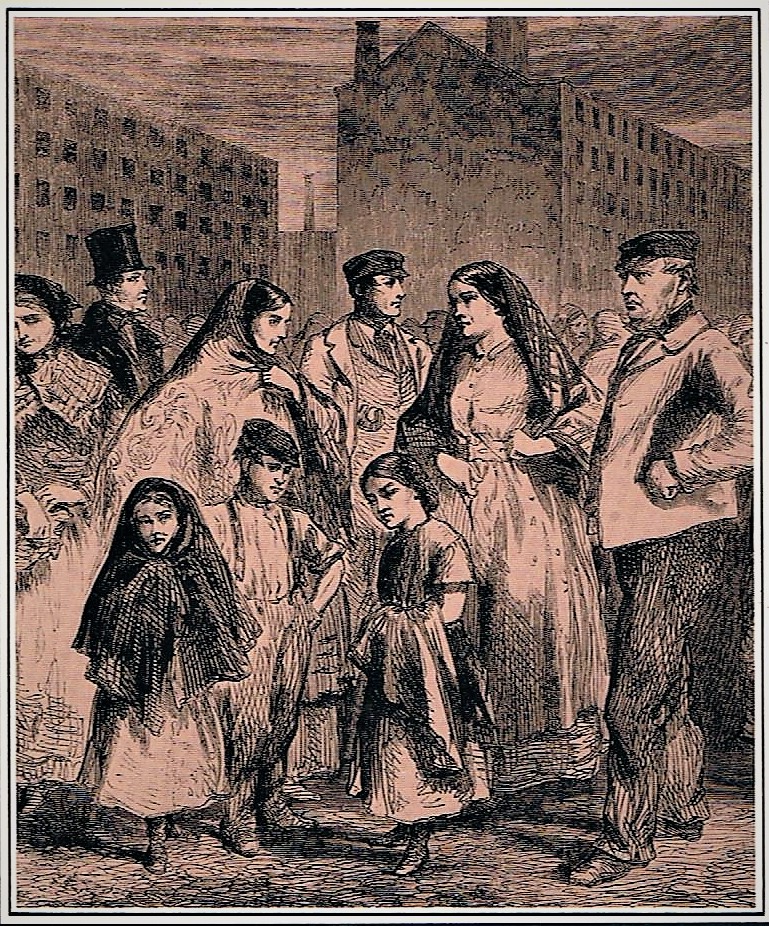
The ‘Manchester School’ and the Industrial City: By the 1840s, Manchester had become the symbol of a new form of social organisation, a ‘modern Athens’ to Benjamin Disraeli. But, in a sense, the City deserved the rough treatment it subsequently got from two notable foreign visitors, Alexis de Tocqueville and Friedrich Engels. In 1851, JohnContinue reading “Poverty, Progress & the Nonconformist Conscience in Britain, 1844-1914: London, Manchester & Birmingham.”
 Andrew James