
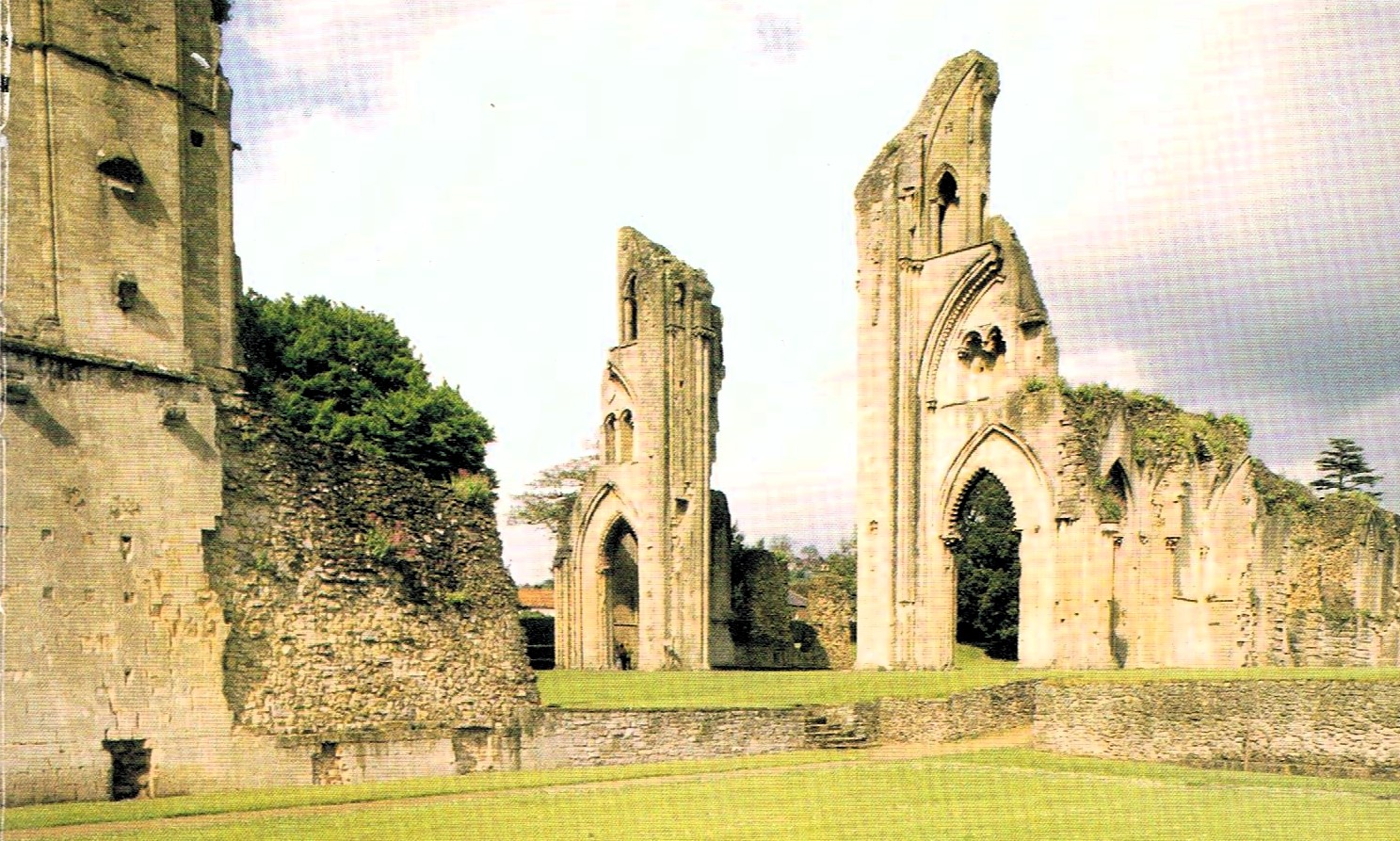
The sacred site and settlement. Long before its relatively recent appropriation as the site of a major music festival, Glastonbury in Somerset was intimately connected with the two linked legends of Joseph of Arimathea and King Arthur. Both were fully recorded in written form for the first time in the twelfth century, but they drewContinue reading “Heritage not Hate – The True Spirit of Glastonbury”
Category Archives: early modern
The Bloodied Sword, the Precious Pearl and the Black Cross; Chronicles of the Royal House of Wessex – VI

Episode Six: End of Dynasty – Exit the Cerdicingas, Enter the Angevins: Scene Sixty-four; October 1173 – The Battle of Fornham, Bury St Edmunds and the Revolt of 1173-74: By the early 1170s, the king had already decided that, after his death, his dominions should be partitioned between his three eldest sons. Young Henry wasContinue reading “The Bloodied Sword, the Precious Pearl and the Black Cross; Chronicles of the Royal House of Wessex – VI”
The Bloodied Sword, the Precious Pearl and the Black Cross; Chronicles of the Royal House of Wessex – V
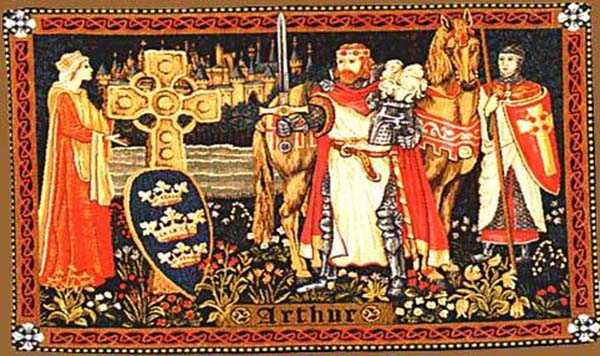
Episode Five – The King’s Peace and Justice; 1153-93: When Henry Plantagenet returned to England again at the start of 1153, bringing only a small army of mercenaries financed with borrowed money, he relied on the forces of Hugh Bigod and Ranulf of Chester. The churchmen who met him on the Hampshire coast also emphasisedContinue reading “The Bloodied Sword, the Precious Pearl and the Black Cross; Chronicles of the Royal House of Wessex – V”
The Raven & the White Rose – The Plantagenet Pretender in Buda: Richard de la Pole.
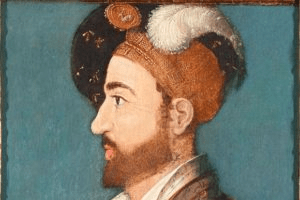
The Growth of the Great Central European Empire: Sigismund of Bohemia, pictured above, became Holy Roman Emperor in 1433, an event which marked the establishment of the great Central European Empire under Habsburg rule, through his daughter’s marriage, until 1918. As Emperor, he acted as an intermediary between Henry V of England and the KingContinue reading “The Raven & the White Rose – The Plantagenet Pretender in Buda: Richard de la Pole.”
Sudan – Legacies of Empire: The Causes & Consequences of Imperial Conflicts in North & East Africa, circa 1865-1965. Part One – 1865-1905.
Britain’s Involvement in Sudan & the Expansion of Empire: The ongoing para-military events in and around Khartoum, and in Sudan more generally, have exercised my mind as to why there are so many British people in the Sudanese capital, and what role the historic links with Britain have played in the origins of the recentContinue reading “Sudan – Legacies of Empire: The Causes & Consequences of Imperial Conflicts in North & East Africa, circa 1865-1965. Part One – 1865-1905.”
Where in the World is Wales? Celebrating St David’s Day, 1st March – a retrospective after forty years ‘in exile’.
St. David’s Day (Dydd Gwyl Dewi) is the first of the four national days or patron saints’ days in the British calendar. Saint David (Dewi Sant in Welsh) is the only of them to actually hail from the country for which he was canonised. Yet we know very little of a factual nature about his life. Apparently,Continue reading “Where in the World is Wales? Celebrating St David’s Day, 1st March – a retrospective after forty years ‘in exile’.”
The Making of an English Mythology; from Reality to Fantasy and back again, 1917-1954: Tolkien’s Creative Years.

Following his recovery from the Somme and ‘trench fever’ on his return from France in 1916, Tolkien was determined to create an entire mythology for England. He had hinted at this during his undergraduate days at Oxford when he studied and wrote of the Finnish ‘Kalevala’:
“I would that we had more of it left – something of the sort that belonged to the English.”
This idea now grew during his recuperation until it reached ‘epic’ proportions. This is how Tolkien expressed it when recollecting many years later:
“Do not laugh! But once upon a time (my crest has long since fallen), I had a mind to make a body of more or less connected legend, ranging from the large to the cosmogonic to the level of romantic fairy-story – the larger founded on the lesser in contact with the earth, the lesser drawing splendour from the vast backcloths – which I could dedicate simply: to England, to my country. “
Who were the Huguenots? Currents of Cultural & Linguistic Change in France & Early Modern Europe.

Pictured above are French Protestants at Lyons Temple service, which was converted from an ordinary house. The hatted preacher is timed by an hourglass, and the two sexes are seated mainly in separate parts of the temple. Introduction – A Retrospective on Genocide & Deculturation: The word ‘genocide’ is essentially a term relating to eventsContinue reading “Who were the Huguenots? Currents of Cultural & Linguistic Change in France & Early Modern Europe.”
Who are the Ukrainians? Mythology & History, Part II: 1801-2001 – From Napoleon’s Empire to end of Empires?
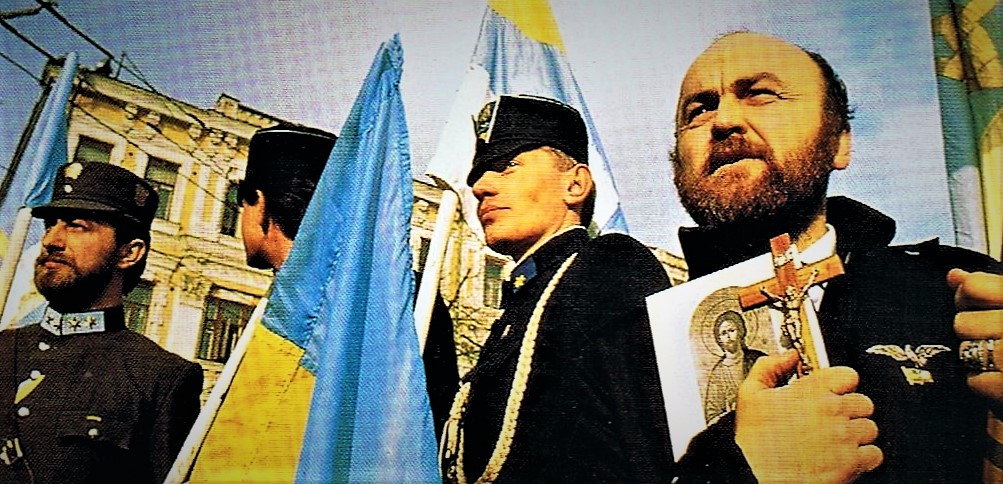
Putin’s Perverse & Very Unorthodox History: In a letter of 10th March, H.H. Patriarch Kirill ‘of Moscow and all Russia’ replied to a letter sent on 2nd March by World Council of Churches (WCC) acting general secretary Rev. Prof. Dr Ioan Sauca asking the Patriarch of the Russian Orthodox Church to mediate so that theContinue reading “Who are the Ukrainians? Mythology & History, Part II: 1801-2001 – From Napoleon’s Empire to end of Empires?”
 Andrew James