
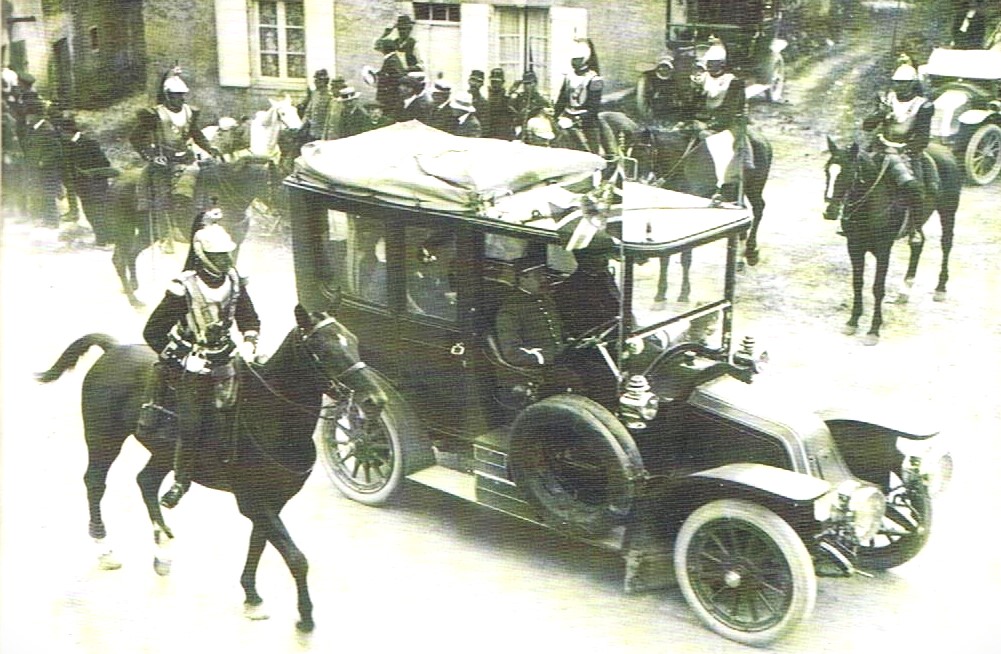
The recent confluence of several events, from Donald Trump’s announcement of the renaming of the US Department of Defence as the War Department to the Last Night of the Proms at the Royal Albert Hall, featuring the Kanneh-Mason family playing their favourite Welsh folk song, Ar Lán Y Mor (‘Along the Seashore’), also mine, promptedContinue reading “The Peacemakers/ Y Tangnefeddwyr”
Category Archives: archaeology
Heritage not Hate – The True Spirit of Glastonbury
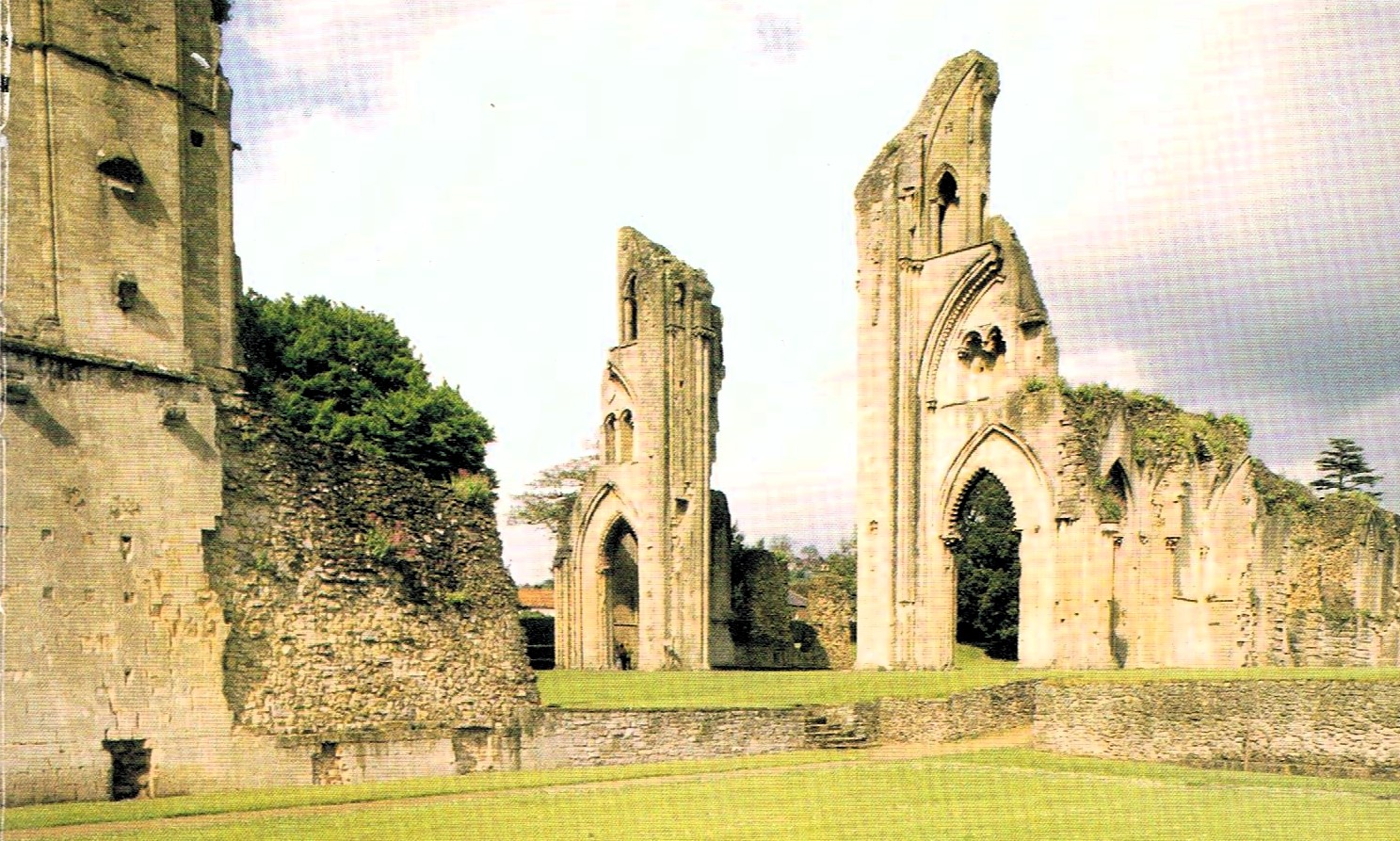
The sacred site and settlement. Long before its relatively recent appropriation as the site of a major music festival, Glastonbury in Somerset was intimately connected with the two linked legends of Joseph of Arimathea and King Arthur. Both were fully recorded in written form for the first time in the twelfth century, but they drewContinue reading “Heritage not Hate – The True Spirit of Glastonbury”
The Bloodied Sword, the Precious Pearl and the Black Cross; Chronicles of the Royal House of Wessex – II.

Episode Two: Conquest, Flight and Resistance, 1066-70 Scene Twenty; 1066 – The Norman Invasion: After Hardrada’s defeat at Stamford Bridge, Harold was holding a celebratory feast at York, when news arrived of the Norman landing on the beach at Pevensey, 270 miles away. Harold’s army made the journey in under a fortnight, while Harold, onContinue reading “The Bloodied Sword, the Precious Pearl and the Black Cross; Chronicles of the Royal House of Wessex – II.”
The Bloodied Sword, the Precious Pearl and the Black Cross; Chronicles of the Royal House of Wessex – I.

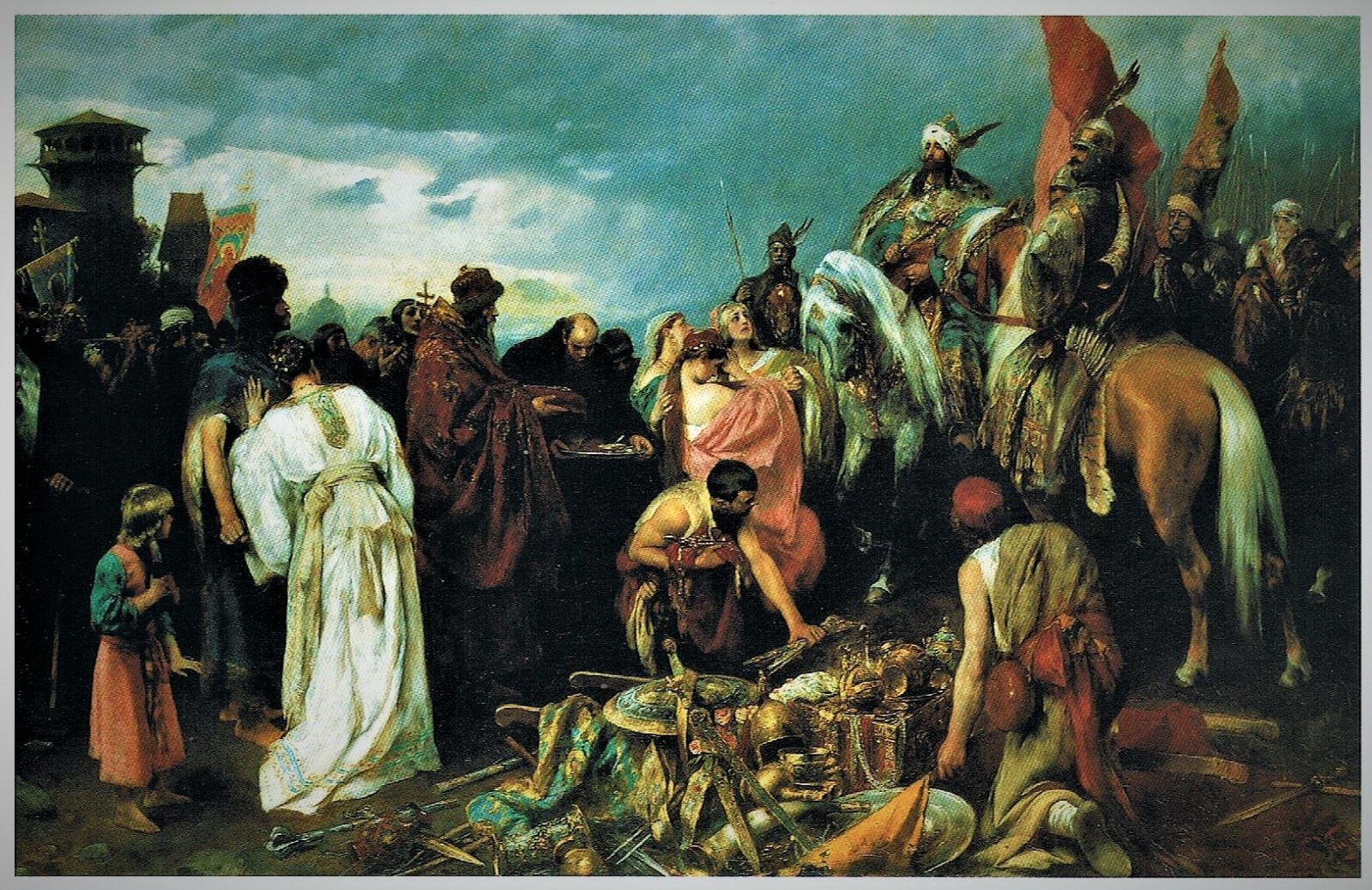
Episode One Above: Hungarians at Kyív – a painting by Pál Vágó (1853-1928). It is extremely difficult to maintain, based on archaeological relics that have been unearthed in territories now forming part of Ukraine, that these objects are unmistakably the relics of the ancient Hungarians, or Magyars. It is probable, though, that as a resultContinue reading “The Bloodied Sword, the Precious Pearl and the Black Cross; Chronicles of the Royal House of Wessex – I.”
War, Peace & Justice in Judaism: Part Two – ‘Shalom’ & Resistance:
Traditions of Shalom: Emerging from the Judaistic readings of the Hebrew Bible, which I dealt with in part one of this two-part article, there was a strong biblical tradition, both in the Psalms and among the prophets, from the earliest to the latest times of the kingdoms of Israel, that the Lord is a godContinue reading “War, Peace & Justice in Judaism: Part Two – ‘Shalom’ & Resistance:”
The Raven & the White Rose – The Plantagenet Pretender in Buda: Richard de la Pole.
The Growth of the Great Central European Empire: Sigismund of Bohemia, pictured above, became Holy Roman Emperor in 1433, an event which marked the establishment of the great Central European Empire under Habsburg rule, through his daughter’s marriage, until 1918. As Emperor, he acted as an intermediary between Henry V of England and the KingContinue reading “The Raven & the White Rose – The Plantagenet Pretender in Buda: Richard de la Pole.”
The Making of an English Mythology; from Reality to Fantasy and back again, 1917-1954: Tolkien’s Creative Years.

Following his recovery from the Somme and ‘trench fever’ on his return from France in 1916, Tolkien was determined to create an entire mythology for England. He had hinted at this during his undergraduate days at Oxford when he studied and wrote of the Finnish ‘Kalevala’:
“I would that we had more of it left – something of the sort that belonged to the English.”
This idea now grew during his recuperation until it reached ‘epic’ proportions. This is how Tolkien expressed it when recollecting many years later:
“Do not laugh! But once upon a time (my crest has long since fallen), I had a mind to make a body of more or less connected legend, ranging from the large to the cosmogonic to the level of romantic fairy-story – the larger founded on the lesser in contact with the earth, the lesser drawing splendour from the vast backcloths – which I could dedicate simply: to England, to my country. “
J. R. R. Tolkien & Birmingham, 1896-1916: The Formative Years, Part One (to 1908) – Middle English
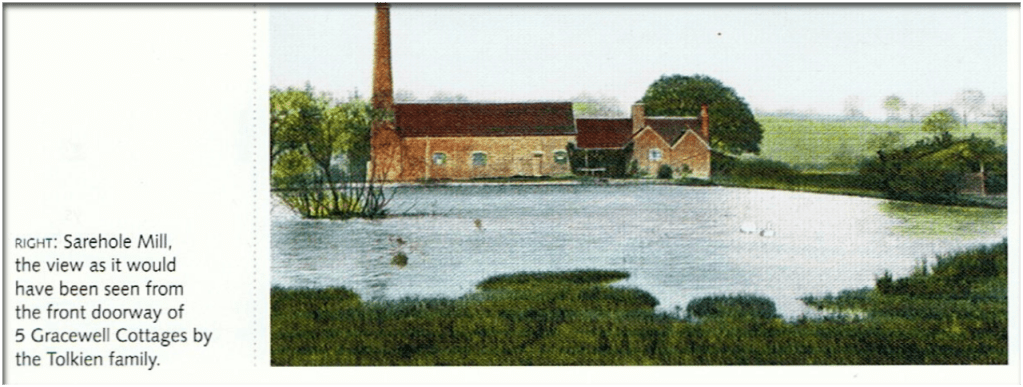
The South African Prelude – Beginnings in Bloemfontein: Arthur Reuel Tolkien and Mabel Suffield (pictured above in the family group), both from Birmingham, were married in Cape Town Cathedral on 16th April 1891, after which came an exhausting railway journey of nearly seven hundred miles to the capital of the Orange Free State. Less thanContinue reading “J. R. R. Tolkien & Birmingham, 1896-1916: The Formative Years, Part One (to 1908) – Middle English”
Who are the Ukrainians? Mythology & History, Part I, 862-1796: Kyivan Rus & Cossacks; Great Powers & Empires.
Fake History & The Russian World-View: “As you know, this conflict did not start today. It is my firm belief that its initiators are not the peoples of Russia and Ukraine, who came from one Kievan baptismal font, are united by common faith, common saints and prayers, and share common historical fate.“ In a 10Continue reading “Who are the Ukrainians? Mythology & History, Part I, 862-1796: Kyivan Rus & Cossacks; Great Powers & Empires.”
Bible Battles & The ‘Ascent of Man’: Nineteenth-Century Sceptics & Critics – Religion, Philosophy & Science.

Victorian Britain – An Age of Conformity? For many people in the early twenty-first century, the title ‘mid-Victorian Britain’ conjures up an image of church-going, sabbath seriousness, packed pews and the head of the household, invariably the father, questioning his progeny on the points of the morning sermon. The very word ‘Victorian’ has passed intoContinue reading “Bible Battles & The ‘Ascent of Man’: Nineteenth-Century Sceptics & Critics – Religion, Philosophy & Science.”
 Andrew James