
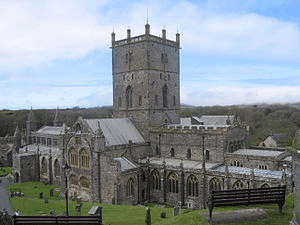
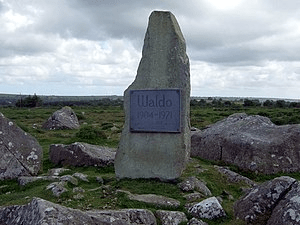
The recent confluence of several events, from Donald Trump’s announcement of the renaming of the US Department of Defence as the War Department to the Last Night of the Proms at the Royal Albert Hall, featuring the Kanneh-Mason family playing their favourite Welsh folk song, Ar Lán Y Mor (‘Along the Seashore’), also mine, prompted a reminiscence of a wartime poem by the Welsh language poet Waldo Williams. A native of Pembrokeshire, he wrote it in reference to the bombing attacks on Swansea. In my second year at the University of Wales, Bangor, I learnt his more famous poem Cofio (‘Remembering’) for the Welsh learners’ competition at the Inter-College Eisteddfod to be held in Aberystwyth in 1976. Unfortunately, a bad dose of the flu robbed me of my voice and kept me away from the event, but I continued to recite it from a poster with the poem on it, which adorned my various student rooms in Bangor, Cardiff, Swansea and Carmarthen over the next seven years. In 1978, I went on a ‘pilgrimage’ to St David’s along the Pembrokeshire coast path, completed in two stages, one along the southern coast, and the other from the north, from the Cardiganshire border, over the Preseli hills, where I found Pentre Ifan, pictured above, the Cromlech (ancient burial chamber) and the memorial stone to Waldo Williams (1904-72), pictured below. I camped on St. David’s Head, overlooking the sea, near the chapel dedicated to Non, David’s mother.
A few years later, I was inspired by Williams’ poetry and life story to become a teacher of Primary-age children in Llanelli. However, my limited Welsh convinced me that I should concentrate on teaching history and religious education in English secondary schools, and I moved to Lancashire in 1983. But I continued to be inspired by Williams, as well as by R.S. Thomas, whose work, written in English on the northern peninsula of Lleyn, also turned on the mystical theme of the brotherhood of man and the great Christian vision of the oneness of all mankind. Williams’ mastery of language gave an original force and freshness to his expression of ancient themes. In many ways, this demanded a comparison with Blake. Like him, Williams’ life was inextricably linked to his work. Imprisoned for his refusal, as a pacifist, to pay taxes for military purposes, he was nonetheless an intensely reserved and unassuming person.
At the time I first read his poetry, I identified with it immediately, and still do, although my outward stance on these matters has changed somewhat with the complexities of the twenty-first-century conflicts, despite their ancient origins. His poetry was greatly loved by many Welsh-speakers, and, late in life, he received an Arts Council prize for it. His one volume of verse, Dail Pren, published in 1956, won him an enduring place in Welsh literature and made him an increasingly important influence on young Welsh poets from the seventies onwards, following his death in 1972. A selection of his poems was published in 1974, with translations into English. One of these was Y Tangnefeddwyr, quoted bilingually below:
Uwch yr eira, wybren ros,
Lle mae’r Abertawe’n fflam.
Cerddaf adref yn y nos,
Af dan gofio ‘nhad a ‘mam.
Gwyn eu byd tu hwnt i glyw,
Tangnefeddwyr, plant i Dduw.
Above the snow, a rose-red sky,
Where Swansea’s now aflame.
I walk home this night,
I walk home remembering father and mother,
Blessed are they, beyond all hearing,
Peacemakers, children of God.
…
The guardian-angel of poor homes
gave my father two proud pearls:
Man’s mission is to be a brother,
God’s wealth is the invisible world.
…
A good nation and a bad nation-
They taught that this was all fantasy,
But the light of Christ will bring
Freedom to all men who wish it.
Blessed are they, one day they will be heard,
Peacemakers, children of God.
And what tonight is their estate?
Tonight, when all their world’s in flames?
Truth still lives where my father is,
And mercy with my mother.
Blessed be the age that will listen to them,
Peacemakers, children of God.
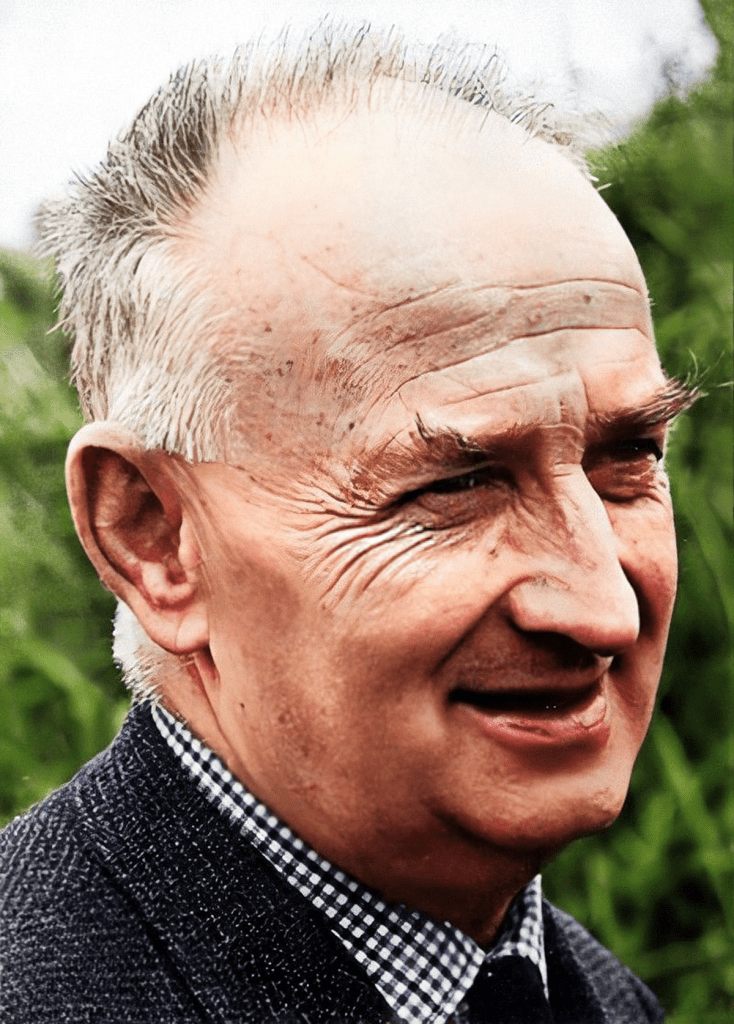
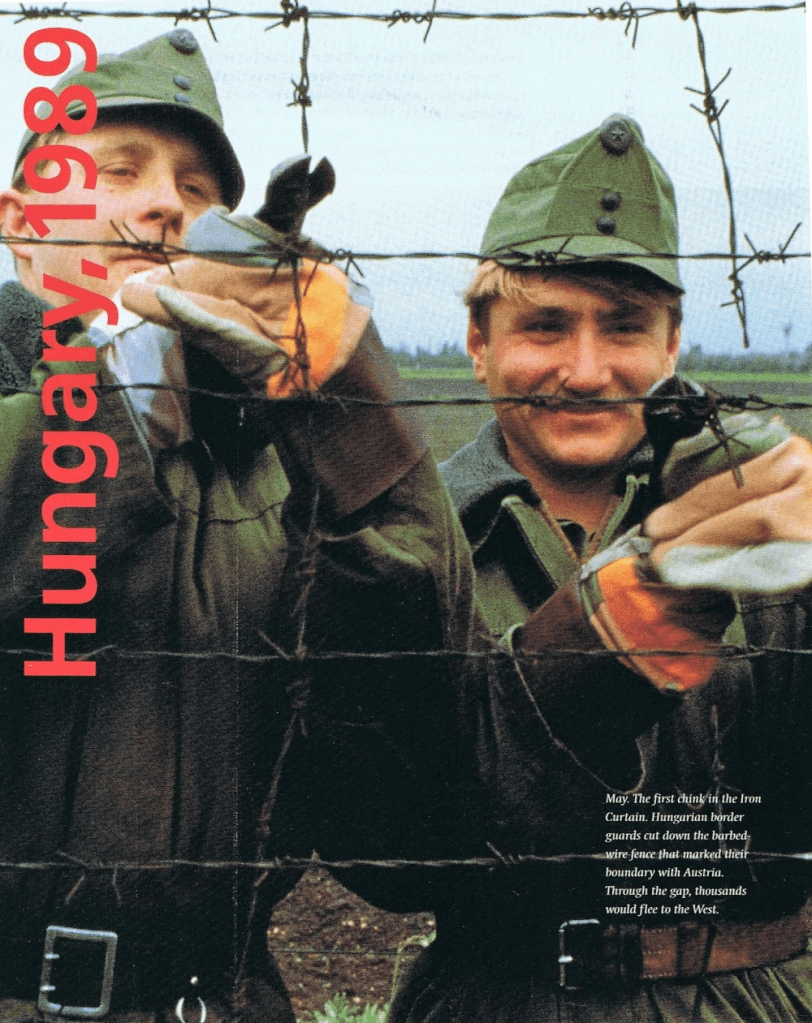
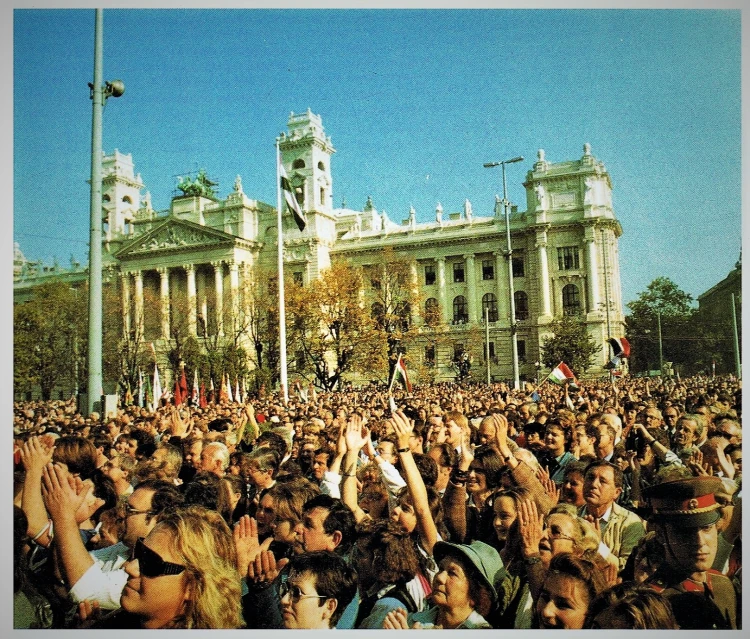
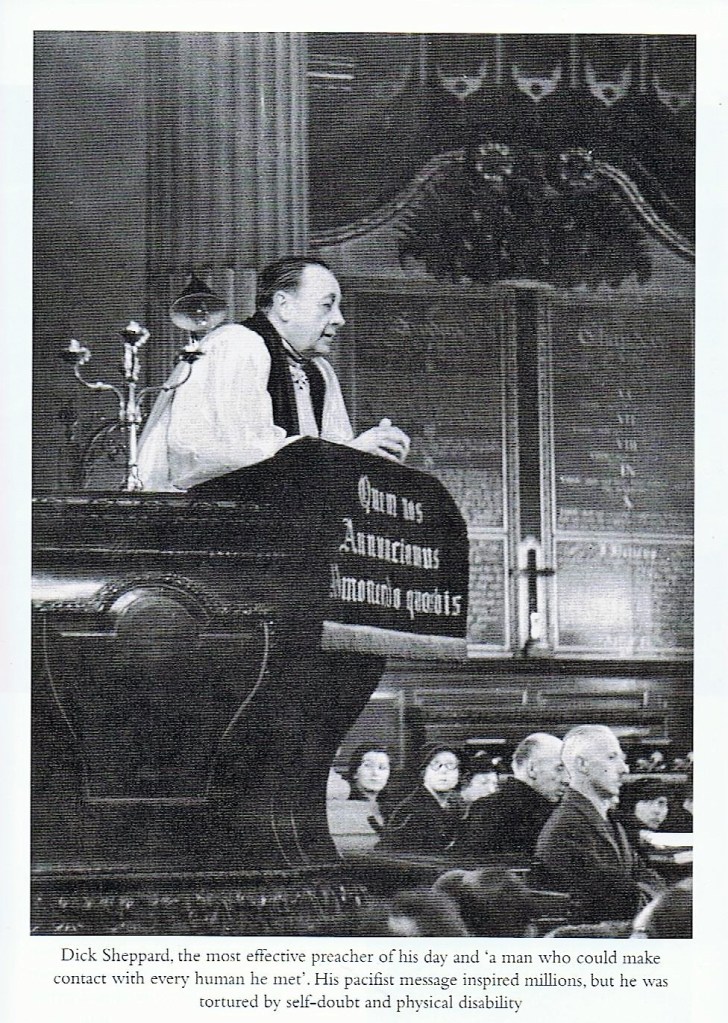
Williams contrasts the simple faith of his parents with that of the rich and powerful who divide nations into ‘good’ and ‘bad’. For him, the role of Christian peacemakers is to bring the light of freedom to all people who strive for it. They do not covet peace ‘prizes’, or seek peace by preparing for war, through military might; they seek the paths of peace and mercy which lead to God’s invisible wealth. This child-like peace witness is one that I also learnt from my parents growing up, and later from brothers and sisters in Wales, Lancashire, the Midlands, the West Country, Northern Ireland and Hungary. We need to hear it again today, perhaps now more than ever.
Last Sunday, I was reminded of Waldo Williams’ poem when it was sung, set to music by Eric Jones, in a BBC Sunday Worship service from the historic Mynyddbach Chapel in North Swansea, home to the Calon Lán Centre, celebrating the seventy-fifth anniversary of the Morriston Orpheus Choir.
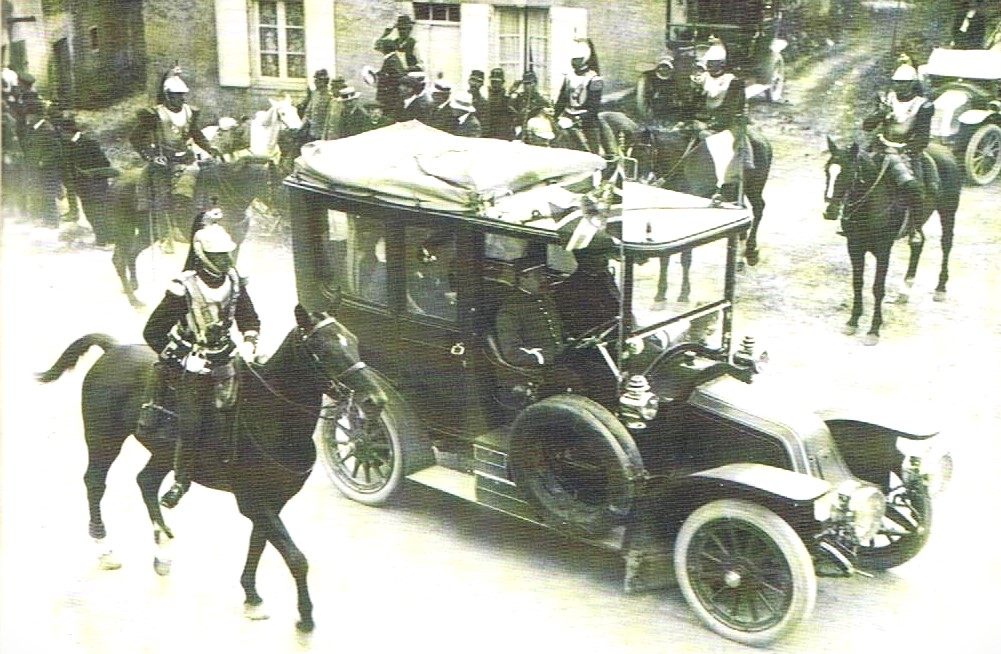
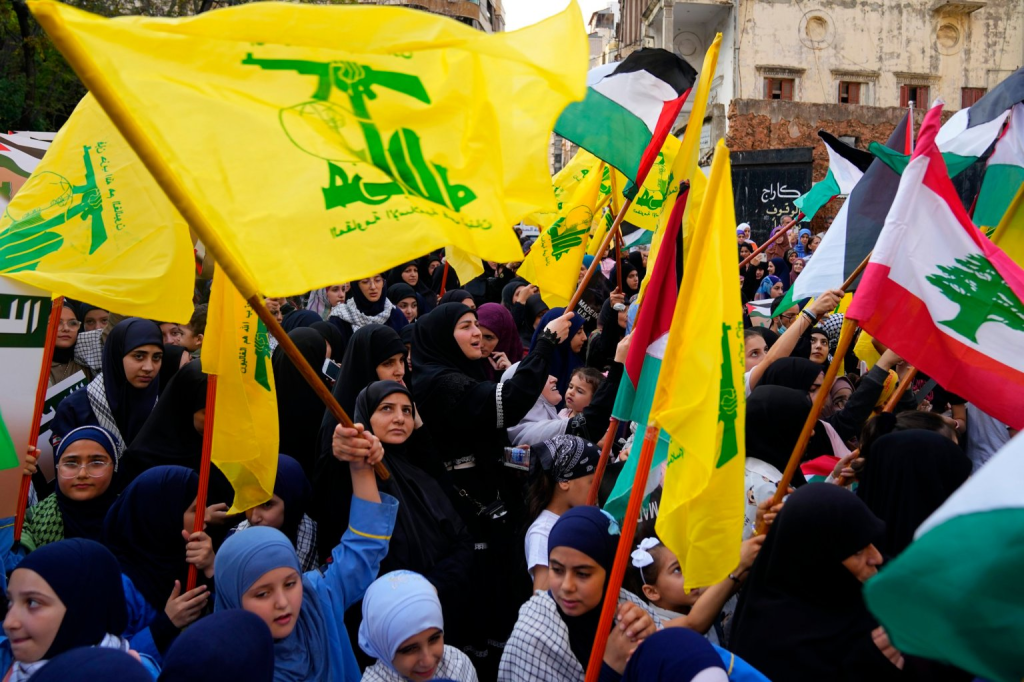
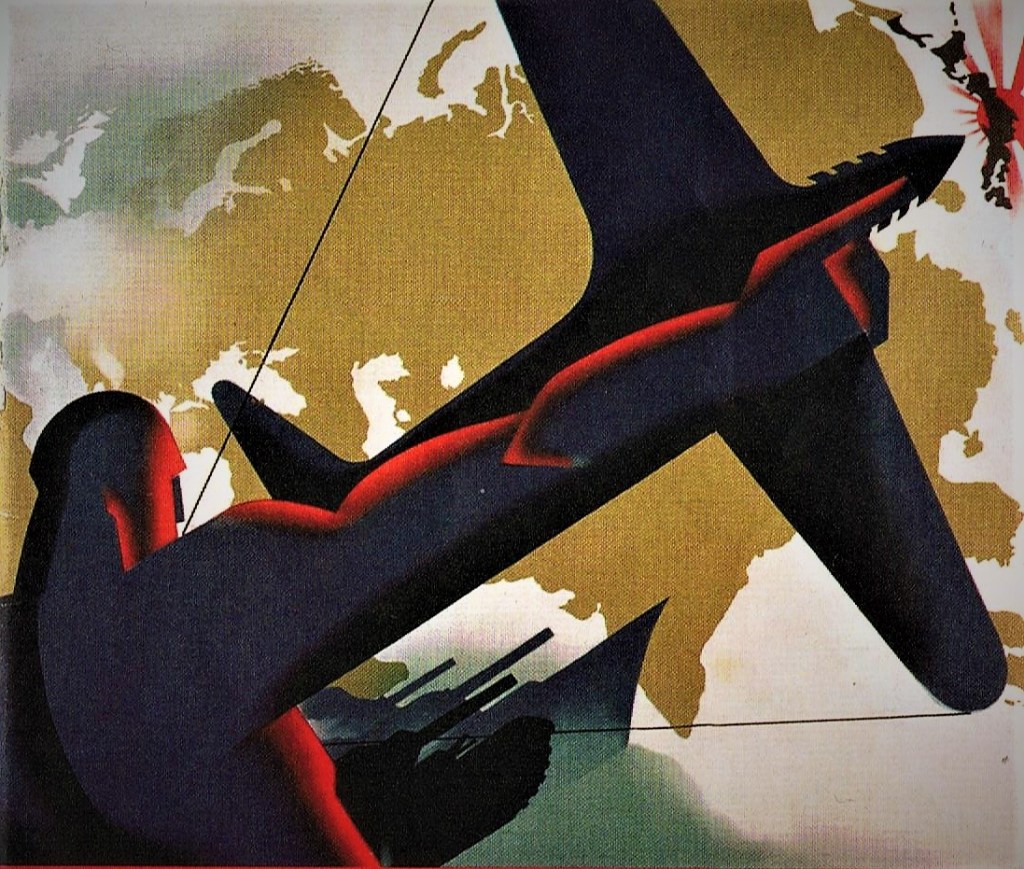
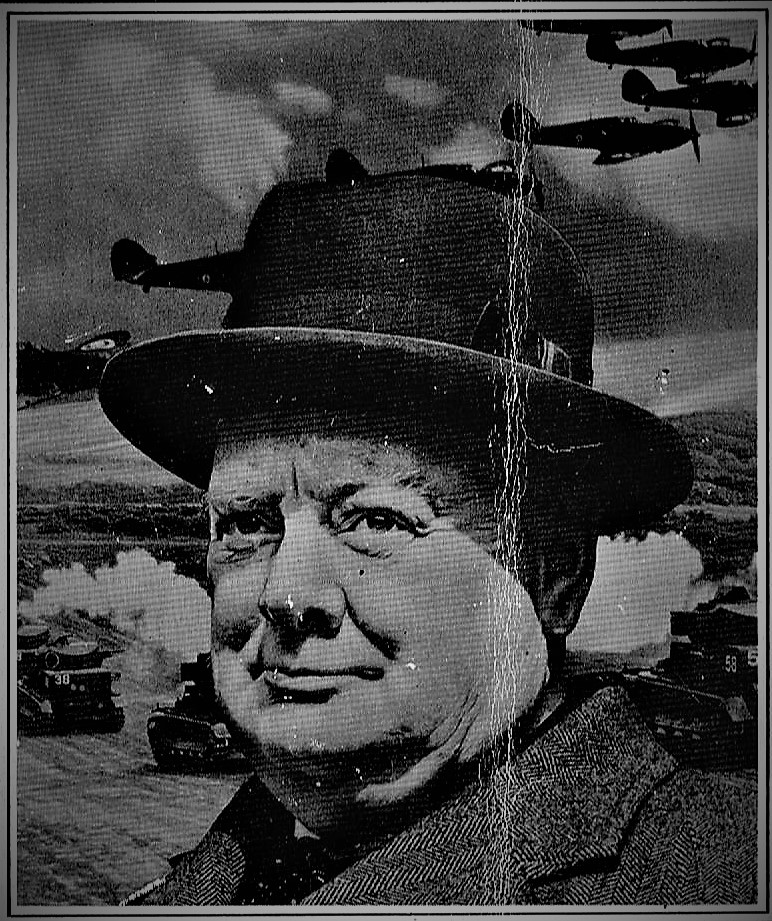
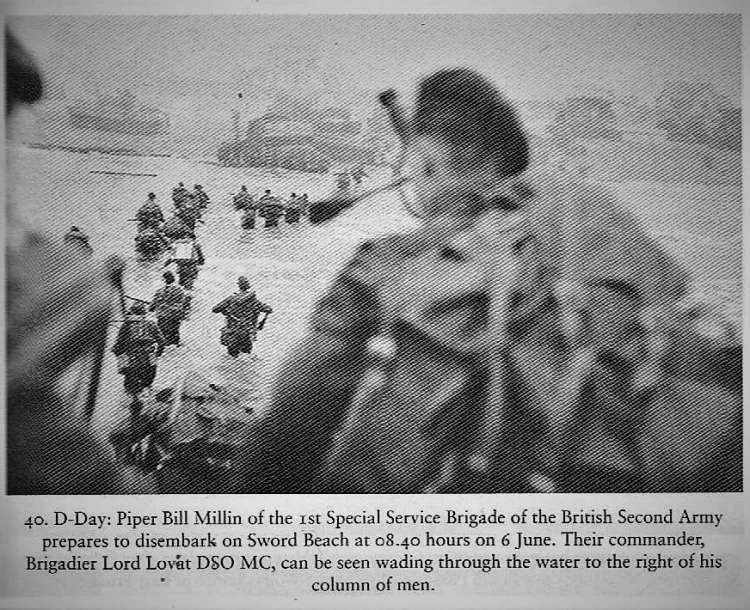
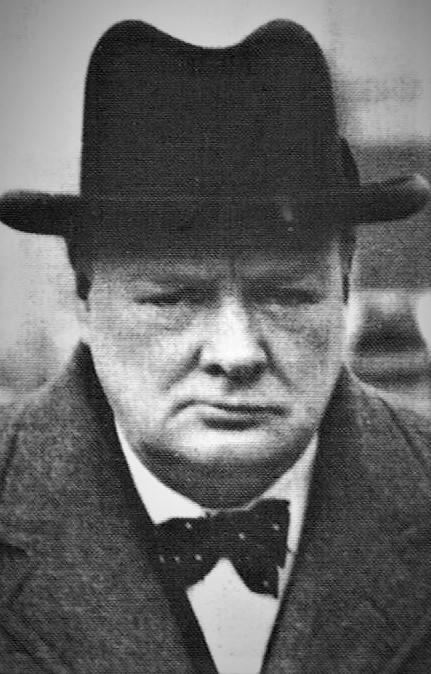
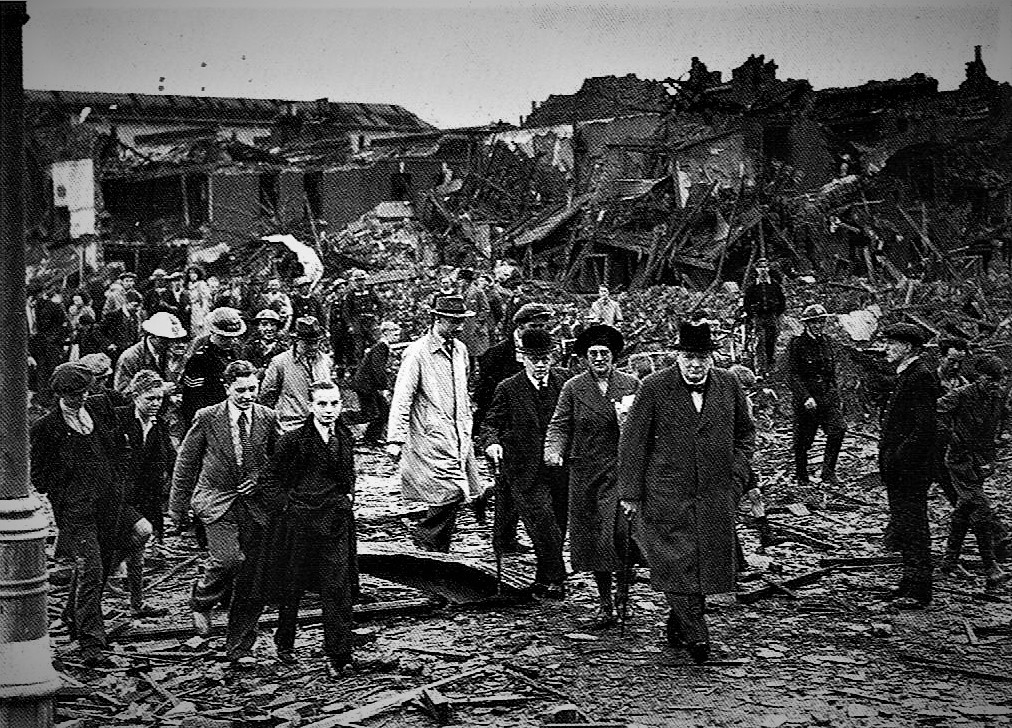
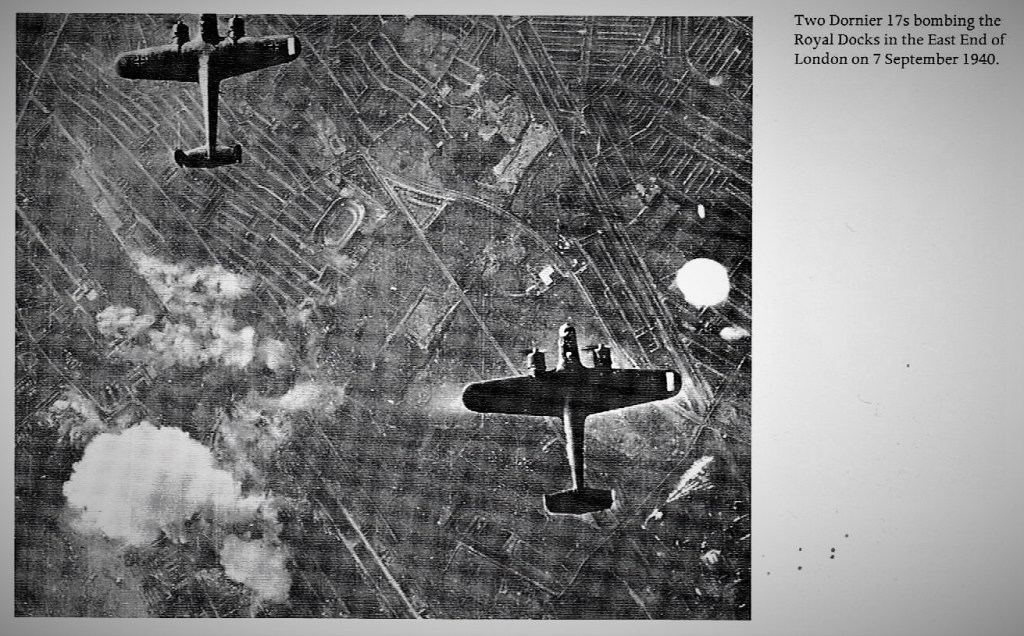
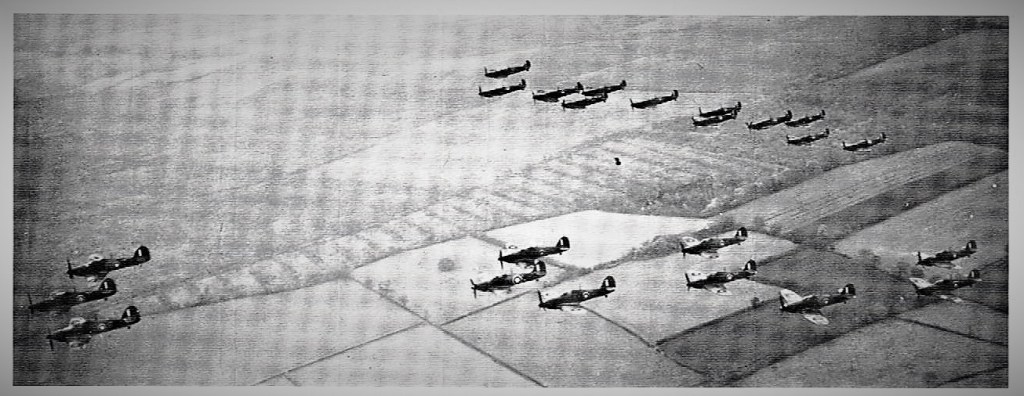
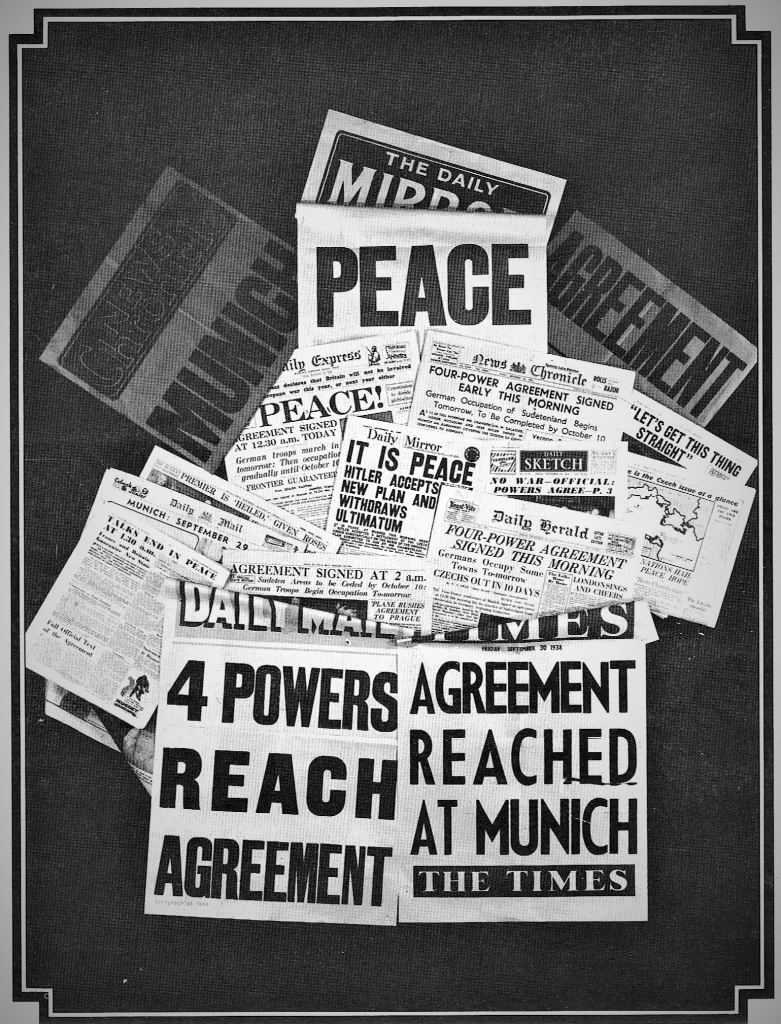
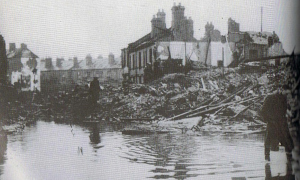
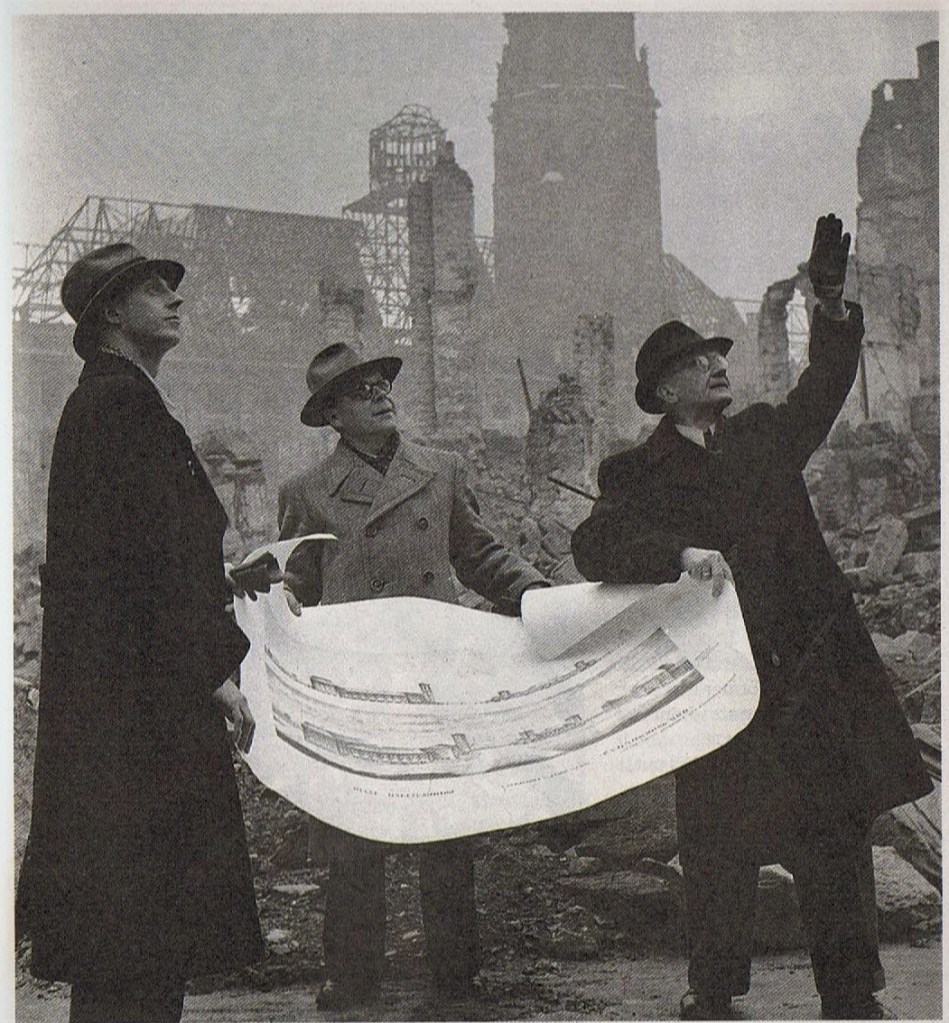
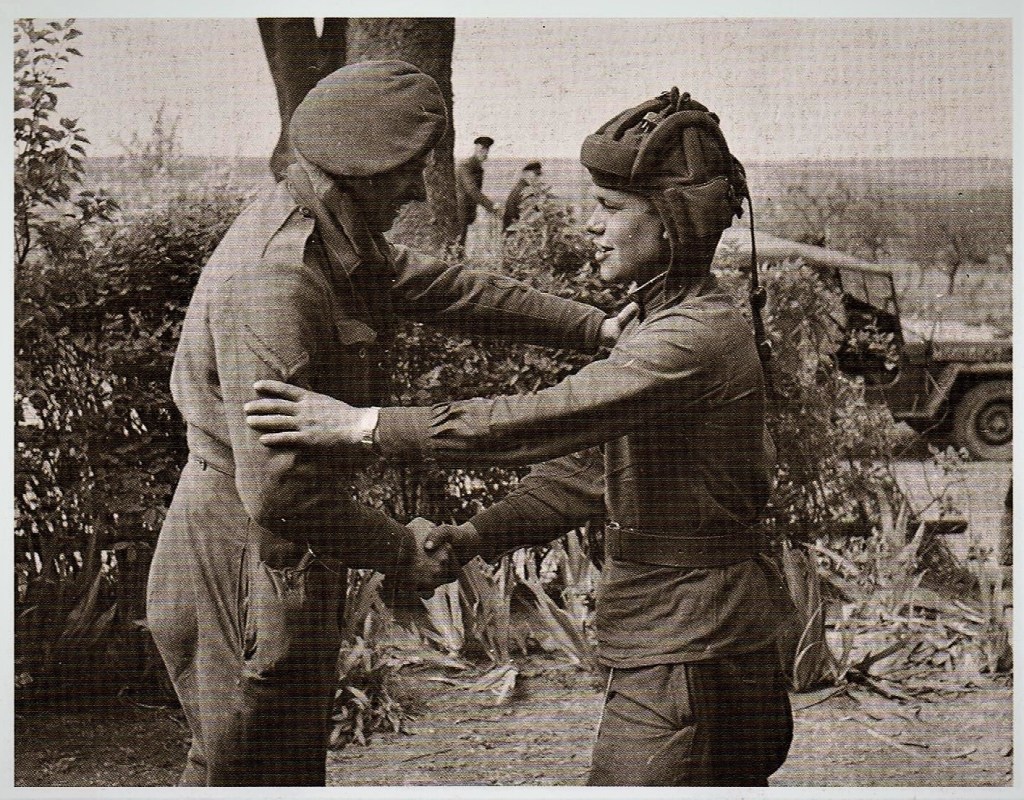
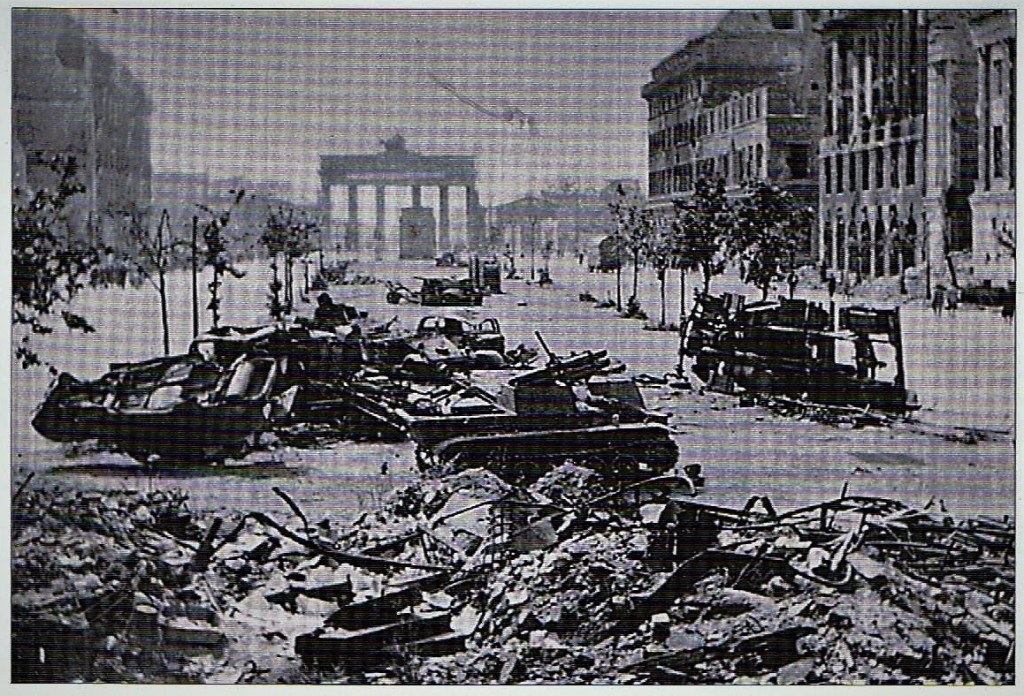
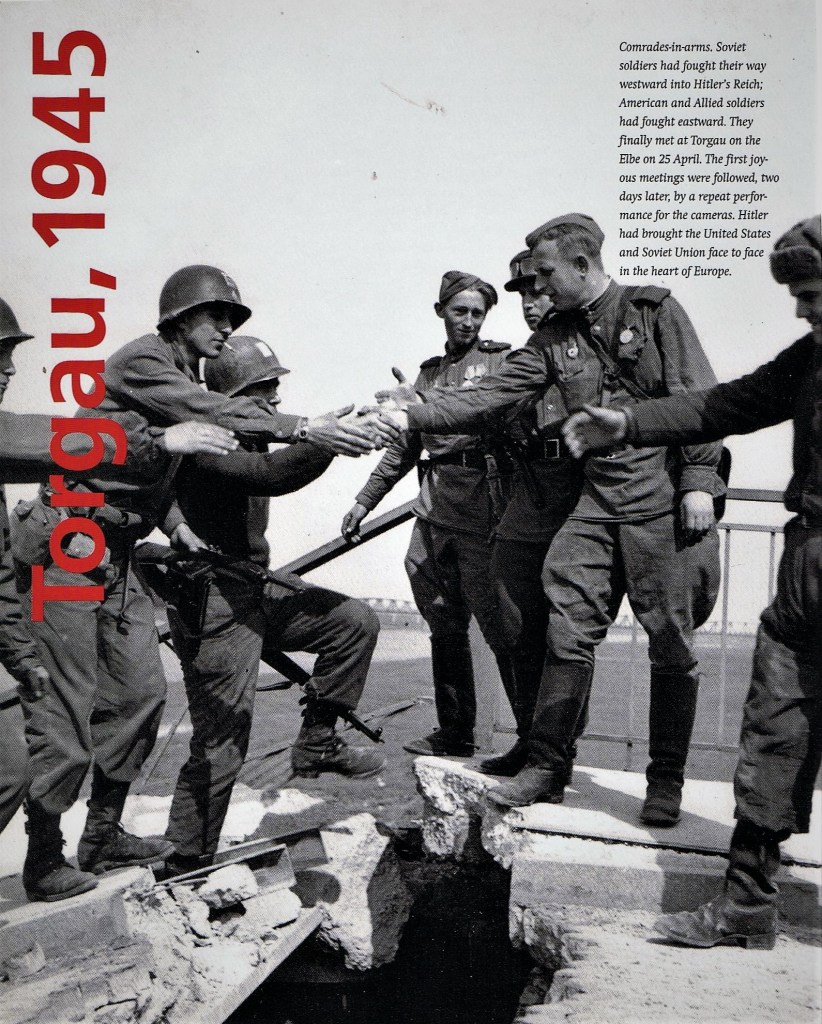
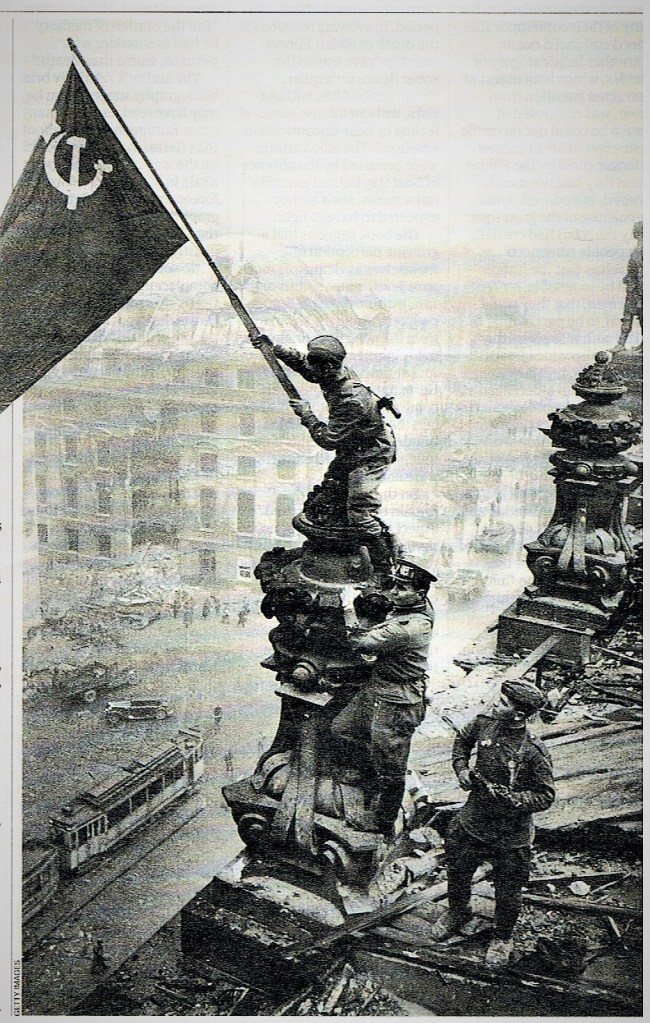
A Gallery of Images of War and Peace:













 Andrew James