

Emigration & Internal Migration – Key Facts: In 1870, seventy-two per cent of all British and Irish emigrants continued to see the United States as their preferred destination. After the Civil War, the American railroad companies began their huge task of driving a steel highway to the west. Where this permanent way pointed, the settlersContinue reading “Off to Philadelphia and back again – The Transatlantic Economy & Patterns of Migration – Britain, Europe & North America, 1865-1940”
Category Archives: Uncategorized
Economy, Empire & Emigration, 1881-1931: The South African War, the Dominions & Social Imperialism.
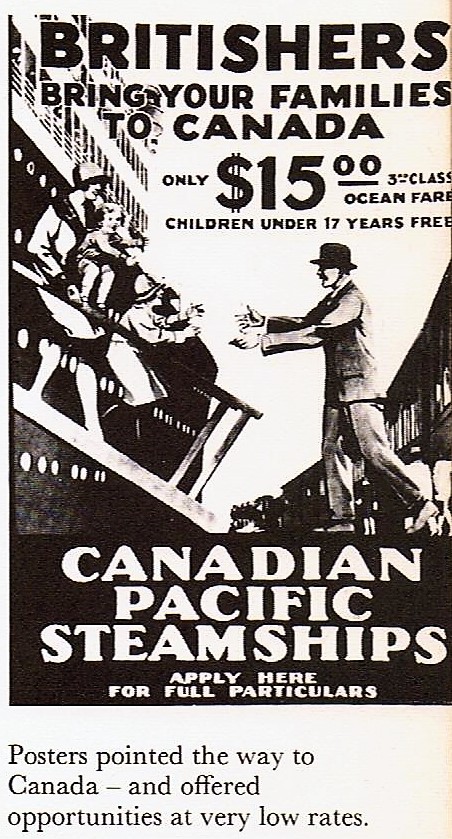
Poverty, Emigration & Empire, 1821-1881: Australia, New Zealand & South Africa.

Re-blogged, 30/7/2020
75 Years Ago – The End of World War II in Europe, East & West; March-May 1945: The Battle for Berlin & Eastern Europe.

Originally posted on Andrew James:
The Collapse of the Reich: The final year of the war in Germany saw state lawlessness and terror institutionalised within the Reich. The People’s Court set up in Berlin to try cases of political resistance, presided over by Roland Freisler, sat ‘in camera’, while the prosecutors bullied prisoners into confessing…
 Andrew James